Few things derail a healthy day quite like a sudden, relentless sugar craving. You try to resist, but the pull toward something sweet becomes so loud that a carrot stick simply won't cut it. The good news is that you don't have to white-knuckle your way through these moments. According to nutrition experts, the most effective strategy isn't willpower—it's making one strategic food swap that satisfies the craving while keeping hunger at bay.
That swap is replacing ultra-processed sugary snacks with whole fruits, specifically those with a naturally sweet taste, high water content, and plenty of fiber. Think of swapping a candy bar or a pastry for a ripe pear, a bowl of juicy berries, or a crisp apple. It sounds simple, but the science behind why this works is powerful and backed by research on appetite regulation and blood sugar stability.
Why this swap works better than going cold turkey
When you reach for a refined sugar source—cookies, soda, or even many protein bars—your body absorbs that sugar rapidly. Blood glucose spikes, insulin rushes in to manage it, and then your blood sugar crashes. That crash signals your brain that it needs more energy, often in the form of more sugar, creating a vicious cycle of cravings and hunger.
Whole fruit, on the other hand, comes packaged with fiber. Fiber slows down the absorption of sugar into your bloodstream. This prevents the sharp spike and crash, leading to stable energy levels and reduced cravings. Additionally, fruit has a high water content, which adds volume to your meal or snack, helping you feel physically full. The combination of fiber, water, and natural sugars creates a powerful satiety signal to your brain.
The bottom line: You're not starving your sugar craving; you're satisfying it with a slower-burning fuel. This approach helps you feel full and energized, not deprived.
The best fruits to use for your sugar-craving swap
Not all fruits are created equal when it comes to combating cravings. While all whole fruit is a better choice than processed sugar, some varieties are especially effective because of their texture, fiber content, and intensity of sweetness.
- Berries (strawberries, blueberries, raspberries). Extremely high in fiber relative to their sugar content. They are also low in calories and packed with antioxidants. A cup of raspberries, for instance, provides around 8 grams of fiber. Their juicy, slightly tart sweetness makes them a great substitute for jelly or candy.
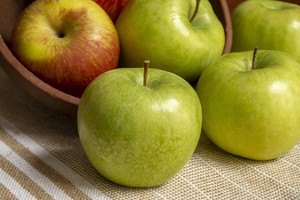
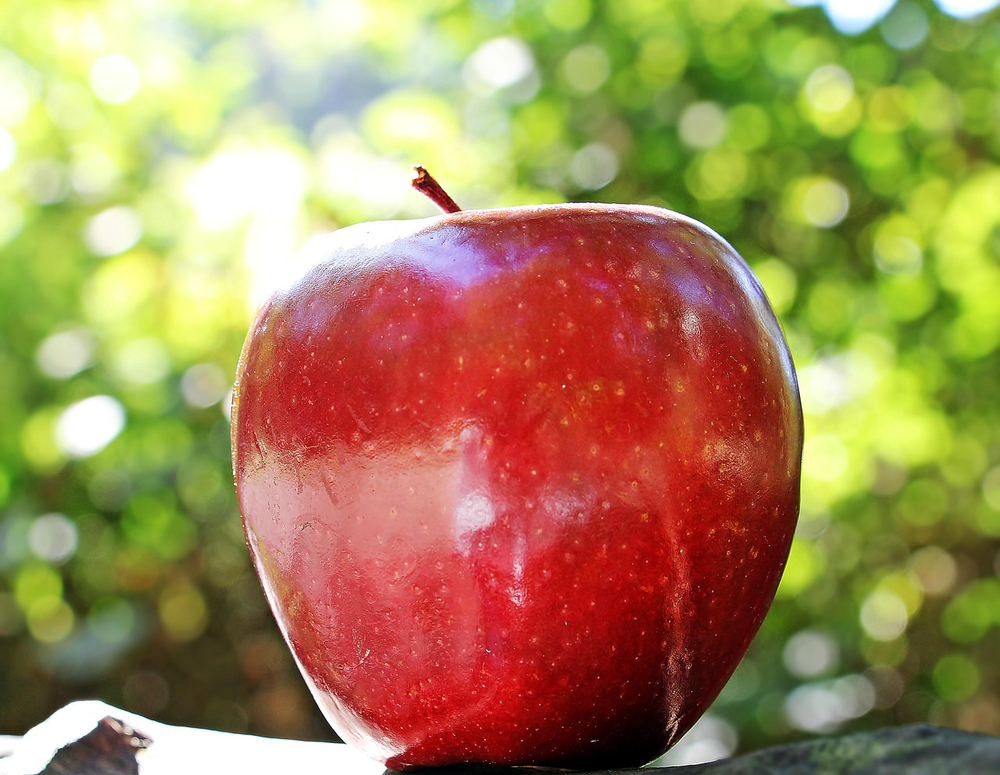
- Apples and pears. These are the gold standard for satiety. The act of chewing a firm apple or pear takes time, which gives your brain a chance to register fullness. They also contain pectin, a type of soluble fiber that forms a gel in your gut, promoting a feeling of fullness. A medium-sized apple provides about 4.5 grams of fiber for only 95 calories—a far better deal than a 200-calorie chocolate bar that leaves you hungry.
- Oranges and grapefruit. The high water content of citrus fruits provides a large volume in your stomach, which triggers stretch receptors that signal fullness. Their bright, tangy flavor can also help reset your palate and reduce the desire for overly sweet foods over time.
Pro tip: Pair your fruit with a little protein or healthy fat to further stabilize blood sugar and extend satiety. Try an apple with a tablespoon of peanut butter or a pear with a few almonds.
How to make the swap stick (without feeling punished)
The biggest mistake people make when trying to eat less sugar is to go for what feels like a sad, bland alternative. A rice cake with a sugar-free spread is unlikely to stop a true sugar craving. Your brain wants real, honest sweetness. The swap needs to feel like a reward, not a punishment.
Start by identifying your specific craving. Do you want something chewy and sweet (like a caramel)? Dates or dried figs can work (use sparingly). Do you want something cold and creamy (like ice cream)? Frozen banana blended with a splash of milk creates a thick, sweet, soft-serve-like dessert. Craving something crunchy and sweet (like a cookie)? Try apple slices with a sprinkle of cinnamon.
When you give your body whole fruit, you’re also feeding your microbiome. The fiber acts as a prebiotic, feeding the good bacteria in your gut. A healthy gut microbiome is increasingly linked to better mood, less inflammation, and even reduced cravings for unhealthy foods. Over a few weeks, as your taste buds adjust and your blood sugar stabilizes, you may find that your desire for intensely sweet, processed foods naturally diminishes.
A note on mindful eating
Pay attention to how you eat your fruit. Do not rush through it. Sit down, take a bite, and chew thoroughly. Notice the texture and the sweetness. Eating with intention can significantly improve feelings of satisfaction and reduce the desire to eat more than you need. The combination of fiber, water, and chewing naturally slows down your eating rate, giving your body's hormonal signals a chance to work.
Ultimately, the expert-backed food swap to stop sugar cravings is not about deprivation—it's about substitution. By choosing a fiber- and water-rich piece of fruit over a processed sugary snack, you give your body the sweetness it craves while simultaneously making it feel full and nourished. It's a simple change that can break the cycle of sugar addiction for good, without the hunger pangs that often come with quitting cold turkey.
Always consult with a healthcare provider or registered dietitian before making significant changes to your diet, especially if you have a medical condition or are managing a chronic illness.