That familiar pull toward a pint of ice cream after a tough day, or the urge to grab a bag of chips when you're feeling bored or lonely—it's a deeply human response. Emotional eating is rarely about true hunger; it's about seeking a momentary feeling of relief, comfort, or reward. The problem, of course, is that the foods we typically reach for—heavy, sugary, or ultra-processed options—often leave us feeling physically sluggish and emotionally worse shortly after.
The good news is that you don't have to wage a constant battle of willpower against your cravings. A more sustainable approach is to swap the food, not the feeling. By choosing alternatives that satisfy the same sensory or psychological need (crunch, creaminess, warmth, or sweetness) without the dramatic blood-sugar spike and crash, you give yourself a genuine chance to break the cycle. Below are four category swaps that respect the emotional need while offering a healthier, more nourishing outcome.
1. When you need a creamy, soothing indulgence
For many, the classic comfort food is something cold, smooth, and rich—ice cream, full-fat yogurt, or a milkshake. The emotional need is often for a sense of soothing, a treat that feels like a hug in a bowl. The nutritional downside, though, is the high load of added sugar and saturated fat that can trigger inflammation and energy crashes.
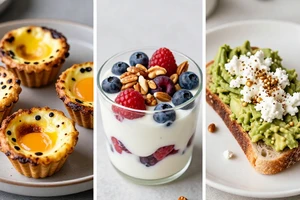
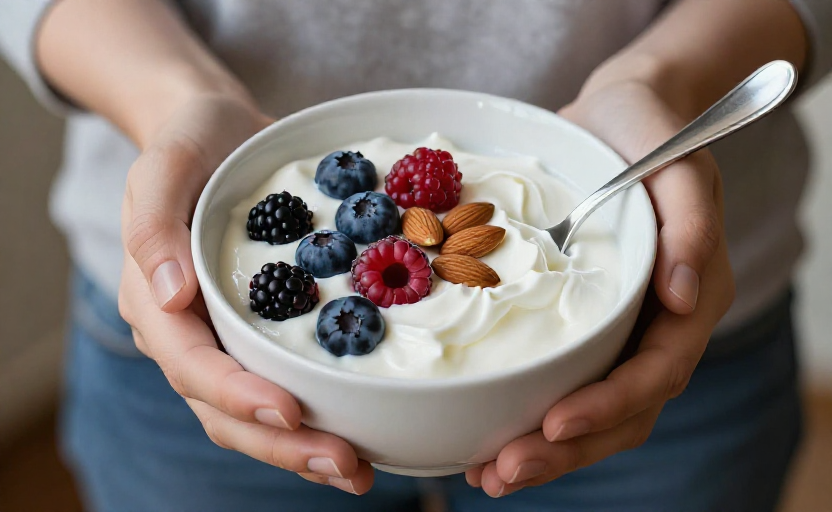
The satisfying swap: A bowl of high-protein, lower-sugar Greek yogurt or cottage cheese blended until silky. Top it with fresh or frozen berries, a few crushed nuts, and a drizzle of honey or a sprinkle of dark chocolate shavings (about 70% cocoa or higher). What you get is that same creamy, cold, spoonable experience, but with a significant boost of protein and fiber that stabilizes blood sugar and keeps you feeling full. The berries add natural sweetness and volume for fewer calories, while the fat from the nuts and chocolate provides a satisfying richness without going overboard. If you crave a frozen texture, try freezing Greek yogurt in a silicone mold with fruit for a DIY frozen treat that has no artificial ingredients.
A quick tip for emotional eaters: Before you open the freezer, pause. Ask yourself: Am I truly hungry, or am I trying to numb a feeling? If it's the latter, this swap still allows you to indulge, but you'll feel better physically afterward.
2. When you need a salty, crunchy stress reliever
There's a primal satisfaction in the crunch of a potato chip or a pretzel. This need is often about releasing tension or providing a sensory distraction—the sound and feel of chewing can be almost meditative. Unfortunately, the typical salty snack is a high-calorie, low-nutrient delivery system for refined oils and sodium, which can lead to bloating and thirst.
The satisfying swap: Move toward vegetables and pulses that offer a similar crunch but come with fiber, vitamins, and minerals. Think crunchy raw bell pepper strips, cucumber rounds, or jicama sticks dipped in hummus or a simple yogurt-tahini dip. For a chip-like experience without the deep-frying, try roasted chickpeas or crispy edamame. These provide a satisfying audible crunch and a solid protein-fiber combination that chips lack. A handful of lightly salted almonds or walnuts also works well—the healthy fats help stabilize mood over the long term, which is key for emotional eaters who might be trying to regulate stress.
3. When you need a warm, comforting hug in a cup
Emotional eating isn't just about solid food. Hot beverages, from hot chocolate to heavily sweetened lattes, serve a deep emotional need: warmth, ritual, and a sense of being cared for. The issue is that many café-style drinks are essentially liquid desserts, packing 30–50 grams of sugar per serving.
The satisfying swap: A cup of warm, unsweetened almond or oat milk whisked with a spoonful of raw cacao powder (not sweetened cocoa mix), a dash of cinnamon, and a tiny drop of vanilla extract. It delivers the same creamy, comforting, hot drink experience, but the cacao contains antioxidants and magnesium that can help calm the nervous system. For a more savory, grounding option, try a cup of warm bone broth or a high-quality miso soup. The umami flavor and warmth can be deeply satisfying, especially on a cold or stressful day, without any sugar. The ritual of making it yourself—heating the milk, whisking, pouring—can also redirect the emotional energy that usually leads to a quick, impulsive food choice.
4. When you need a sweet, nostalgic bite
Sometimes the craving is for a specific memory: the gooeyness of a warm cookie, the fudgy center of a brownie, or the simple sweetness of a candy bar. This is the most challenging category because the emotional attachment is tied to a specific taste and texture. Trying to force a swap to celery rarely works here.
The satisfying swap: A date stuffed with a small piece of dark chocolate and a pinch of sea salt. The date provides the intense natural sweetness and chewy, fudgy texture you're after. The dark chocolate delivers the rich cocoa flavor with significantly less sugar than milk chocolate, and the salt enhances the flavor. Another powerful option is a small baked apple or pear, cored and filled with a spoonful of almond butter, a few raisins, and cinnamon, then microwaved for two minutes. It tastes like a warm fruit cobbler but with no added sugar and a solid dose of fiber. The key is portion control—make just one. This swap acknowledges the craving for a sweet finale without turning it into a entire batch of cookies.
Making the swap a new habit
The goal here isn't perfection. If you have the ice cream or the chips one night, that's simply data, not failure. The real change happens when you start to associate the act of choosing with self-care rather than deprivation. By having these satisfying alternatives ready—in your fridge, pantry, and mental toolkit—you build a bridge between the emotional need and a food choice that truly serves you. Over time, your brain learns that the swap can be just as comforting, without the regret. That, more than any specific ingredient, is the real win for an emotional eater.