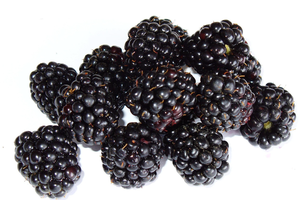
4 physical symptoms that can follow afternoon avoidance and stress buildup
Learn the four common physical symptoms of afternoon stress buildup and avoidance, including gut tightness, shallow breathing, muscle tension, and energy crashes.
Discover articles, guides, and practical insights for a healthier lifestyle.
Learn the four common physical symptoms of afternoon stress buildup and avoidance, including gut tightness, shallow breathing, muscle tension, and energy crashes.
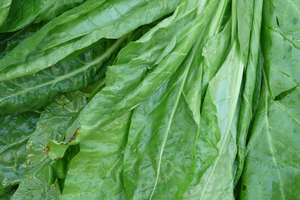
Adding one simple food to your lunch can help calm your stress response and reduce procrastination. Learn how magnesium-rich greens support focus and resilience.

Learn how scrolling social media and planning your next task during breaks can secretly increase anxiety—and what to do instead for a real mental reset.
Dietitians reveal a surprising lunch habit that may signal unconscious stress avoidance. Learn the warning signs and how to reconnect with your midday meal.

Notice if midday eating is driven by stress avoidance, not hunger. These 5 signs help you recognize the pattern and make small shifts for calmer afternoons.
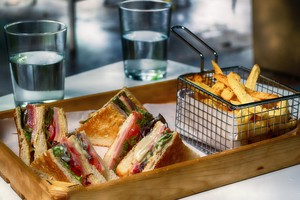
Notice these 3 lunchtime avoidance behaviors that often signal hidden workplace stress: skipping meals, eating at desks, and choosing poor fuel. Plus simple steps to reclaim your break.

Nutrition experts explain how a balanced lunch with protein, complex carbs, magnesium, and omega-3s can help stabilize the nervous system after trauma triggers.

Therapists share the subtle early warning signs of a trauma response, from physical sensations to emotional flattening and behavioral micro-shifts.

Discover five daily prevention habits that help reduce the frequency of trauma responses by regulating the nervous system through grounding, routines, movement, and sensory management.


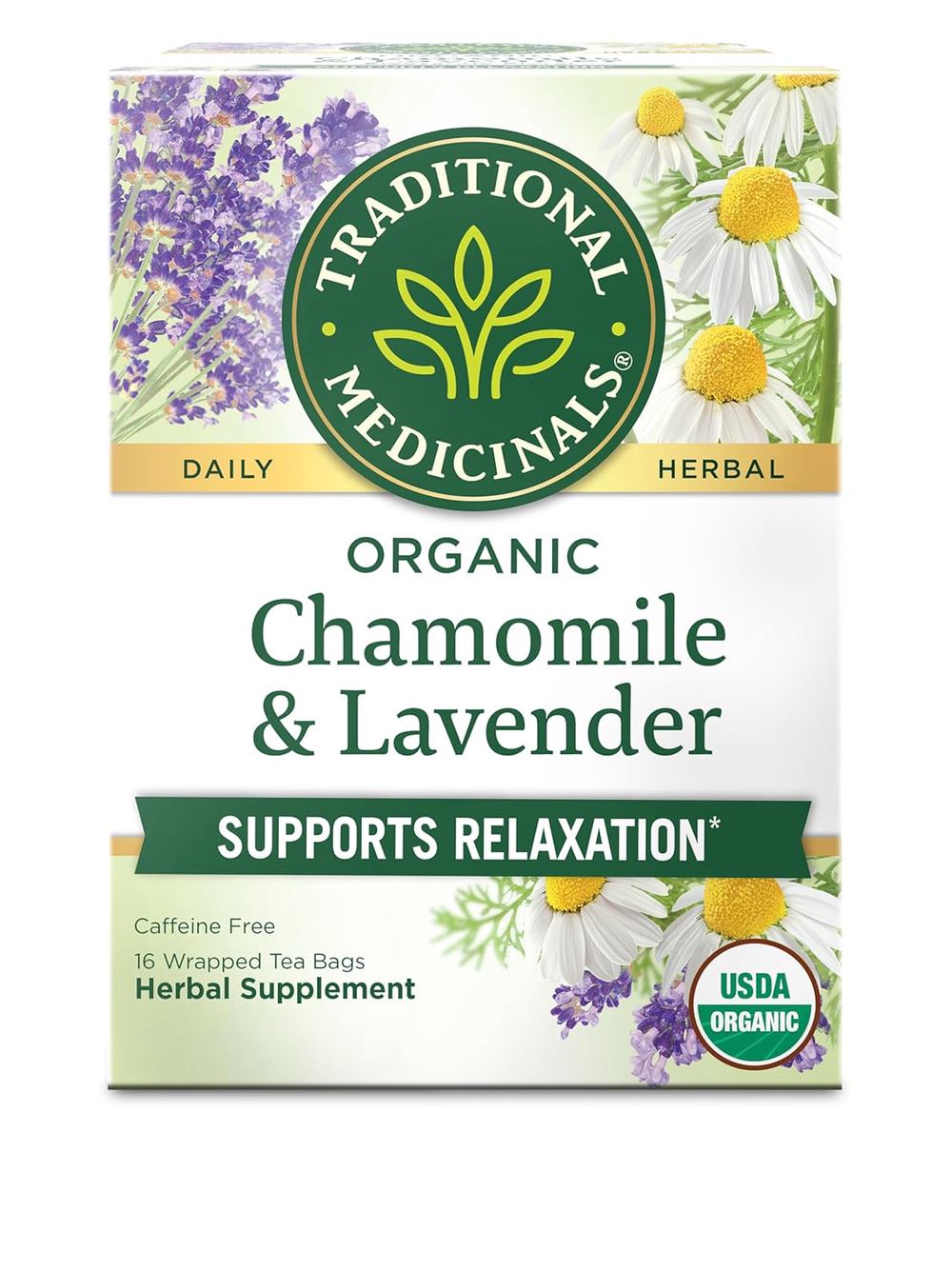
Traditional Medicinals Organic, Chamomile & Lavender - Chamomile Tea Supporting Stress Relief and Relaxation - Kosher, Non-GMO, Caffeine-Free, Compostable - 16 Tea Bags
Check it out
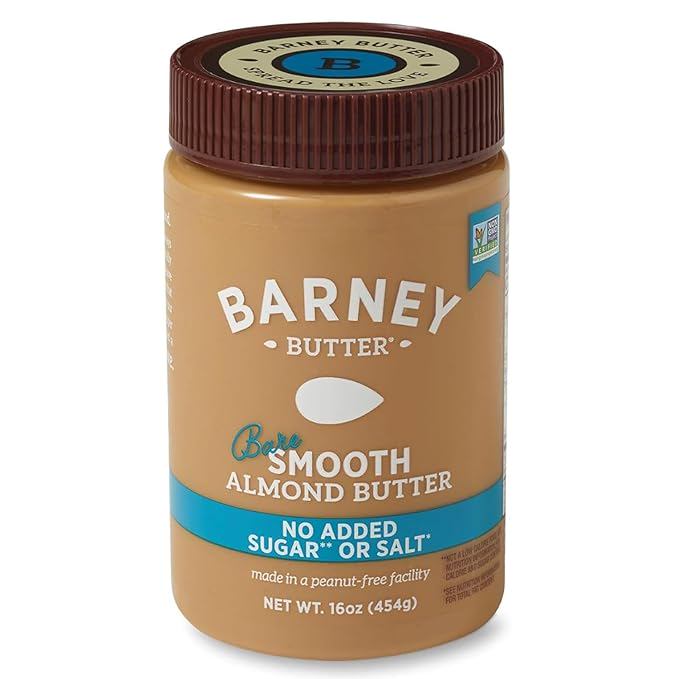
Barney Butter Almond Butter, Bare Smooth, 16 Ounce Jar, No Added Sugar or Salt, Skin-Free Almonds, No Stir, Non-GMO, Gluten Free, Keto, Paleo, Vegan
Check it out