
When stress hits hard — especially from a trauma trigger — the nervous system can feel hijacked. Racing heart, shallow breathing, a sense of dread. In those moments, food might be the last thing on your mind. But according to a growing body of research in nutritional psychiatry, what you eat at midday could actually help your brain dial down that alarm response.
Scientists and clinicians who study the gut-brain axis say certain lunch combinations can support the vagus nerve, stabilize blood sugar, and provide the amino acids your brain needs to produce calming neurotransmitters. The goal isn't a "magic meal" that erases trauma. It's a strategic, grounded approach to giving your nervous system a steadier baseline.
Why lunch matters more than you think for stress regulation
The body's stress response is metabolically expensive. When you're triggered, cortisol and adrenaline spike, pulling energy away from digestion and toward muscles and senses. That's helpful in a real emergency — but if your nervous system stays in that state day after day, digestion becomes erratic and blood sugar swings wild. A skipped or sugar-heavy lunch only makes things worse, creating a blood sugar rollercoaster that mimics anxiety symptoms.
Eating a properly balanced midday meal can do two things: It sends a safety signal to the brain via the vagus nerve (eating activates the parasympathetic "rest and digest" system), and it provides steady fuel that keeps cortisol from spiking further. Experts at the Harvard T.H. Chan School of Public Health and the Center for Nutritional Psychology emphasize that consistent meal timing with adequate protein and fiber is one of the most underused tools for emotional regulation.
The key components of a trauma-supportive lunch
There's no single recipe, but researchers point to a few non-negotiable elements. Think of it as a template, not a prescription.
Protein for precursor amino acids. Your brain needs tryptophan to make serotonin (a mood stabilizer) and tyrosine to make dopamine and norepinephrine. Turkey, chicken, eggs, tofu, lentils, and fish provide these building blocks. Without enough protein at lunch, your brain struggles to produce the calming neurochemicals it needs later in the day.
Complex carbohydrates for steady blood sugar. Simple carbs (white bread, sugary drinks) spike glucose and then crash it — a physiological event the brain can interpret as danger. Complex carbs like quinoa, brown rice, sweet potato, beans, or oats release glucose slowly. This steady supply helps keep cortisol from spiking midday and evening.
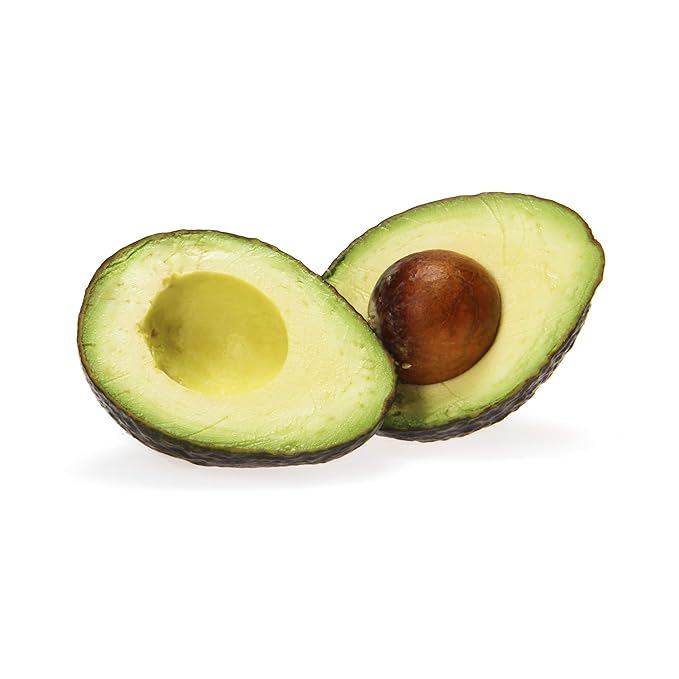
Magnesium-rich vegetables. Magnesium is often called the "calm mineral" because it binds to GABA receptors in the brain, promoting relaxation. Dark leafy greens like spinach and kale, plus broccoli, avocado, and pumpkin seeds, are excellent sources. Many people with chronic stress are magnesium-deficient.
Healthy fats for brain integrity. Omega-3 fatty acids (found in salmon, sardines, walnuts, and chia seeds) help reduce inflammation in the brain, which is often elevated after trauma. They also support the function of the endocannabinoid system, which helps regulate mood and stress.
What a sample lunch might look like
Nutritional psychiatrists and dietitians interviewed for this article suggest combining the elements above into a single plate. An example: a medium bowl of quinoa (complex carb and plant protein), topped with grilled salmon (omega-3s and protein), a generous handful of baby spinach sautéed with garlic (magnesium), half an avocado (healthy fat), and a squeeze of lemon. That plate delivers tryptophan, magnesium, steady glucose, and anti-inflammatory fats all at once.
"Think of this meal as a way to tell your brain, 'We're safe enough to digest,'" says Dr. Uma Naidoo, a nutritional psychiatrist and author of Calm Your Mind with Food. "The act of sitting down to a balanced plate — without multitasking — is itself a mindfulness anchor."
For those who can't or don't eat fish, a similar plate could use lentils or chickpeas as the protein, with a tahini dressing for healthy fats, plus roasted sweet potato and a kale salad with pumpkin seeds.
Mindful eating as part of the practice
The food itself matters, but so does how you eat it. Experts warn against eating lunch hunched over a desk or phone, especially when already dysregulated. Eating quickly triggers a sympathetic (fight-or-flight) response in the gut, hampering digestion and reducing nutrient absorption.
A better approach: Before eating, take three slow breaths. Put food on a plate (not straight from a container). Chew each bite thoroughly. This simple ritual engages the vagus nerve, which runs from the brainstem to the abdomen and acts as a brake on the stress response. Studies in psychosomatic medicine show that slower, more attentive eating reduces cortisol levels after a meal.
Timing and consistency reinforce the signal
Eating lunch at roughly the same time each day also helps. The brain's suprachiasmatic nucleus (the body's master clock) uses meal timing as a cue to regulate cortisol rhythms. When lunch is erratic, the body stays on alert. When it's predictable, the system learns: "This hour is safe."
None of this replaces therapy, medication, or other trauma-informed care. But food is one of the few factors we can adjust daily. For anyone living with trauma-triggered stress, a thoughtfully composed lunch isn't just fuel — it's a small, repeatable act of self-regulation.