
We've all been there. You have a difficult email to write, a tense conversation to prepare for, or a complex problem to solve. Instead of diving in, you find yourself making tea, organizing your desk, or scrolling through your phone. Procrastination in the face of a stressful task isn't a character flaw; it's often a physiological response. Your brain is trying to protect you from a perceived threat.
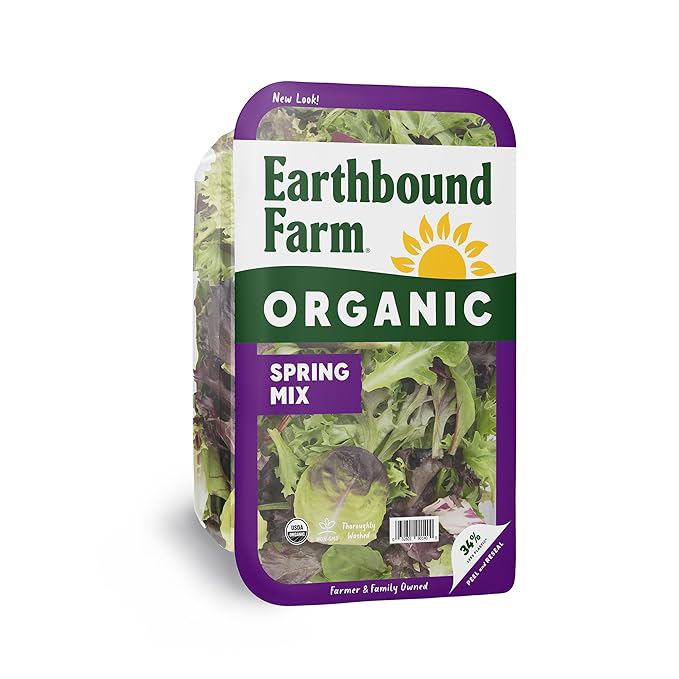
What you eat can directly influence how your brain handles that threat. While there's no single magic food that erases stress, one specific addition to your lunch can help shift your nervous system from a state of high alert to a more balanced, focused calm. That food is a serving of leafy greens, specifically spinach or Swiss chard.
The connection lies in magnesium. This mineral is a critical player in your body's stress-response system. When you're under pressure, your body uses up magnesium at a faster rate. A deficiency can make you feel more jittery, anxious, and less able to cope with challenges. By replenishing your magnesium stores at lunch, you give your brain the raw material it needs to regulate stress hormones and maintain a steady mood.
Why Magnesium Matters for Your Afternoon Grind
Magnesium interacts with the hypothalamic-pituitary-adrenal (HPA) axis, which governs your reaction to stress. Adequate magnesium levels help dampen the release of cortisol, the primary stress hormone. When cortisol is too high, it can fuel avoidance behavior—your brain tells you to step back from the stressful task because it feels overwhelming. By supporting healthy cortisol rhythms, magnesium can help you feel more grounded and willing to engage with the challenge rather than run from it.
A lunch rich in magnesium also supports GABA production. GABA is a neurotransmitter that promotes relaxation and calm. Without enough magnesium, GABA receptors don't function properly. The result? Your brain stays revved up, making it harder to concentrate on the task you'd rather avoid. A side of sauteed spinach or a handful of Swiss chard in your salad provides a direct nutritional signal to your brain that it's safe to settle down and focus.
Not All Greens Are Equal for Stress Support
While kale is a popular superfood, spinach and Swiss chard are particularly high in absorbable magnesium. A single cup of cooked spinach provides over 150 milligrams of magnesium, a significant portion of the daily recommended intake. Swiss chard is also an excellent source. For people who tend to avoid stressful tasks, this magnesium boost can be the difference between spiraling into avoidance and calmly starting the work.
It's important to note that magnesium works best when it's part of a consistent dietary pattern, not just a one-time fix. But adding greens to your midday meal creates a strategic window. Your lunch is the bridge between the morning's tasks and the afternoon's challenges. By eating magnesium-rich greens now, you're directly influencing your brain chemistry for the hours ahead, when that difficult task is waiting.
How to Make It a Realistic, Daily Habit
The key is simplicity. You don't need a complicated recipe. Here are a few low-effort ways to get your greens at lunch:
- The handful approach: Throw a large handful of raw spinach into a wrap, sandwich, or grain bowl. It wilts nicely and has a mild flavor.
- Quick saute: Saute a few cups of Swiss chard or spinach in olive oil with a pinch of salt and garlic. This takes under five minutes and can sit on top of rice, quinoa, or roasted vegetables.
- Sneak it in: Blend a handful of spinach into a savory soup or a smoothie if you're having a liquid lunch.
Consistency matters more than volume. Even a small daily serving makes a difference. Your brain responds to steady signals, not sporadic bursts.
Beyond the Plate: Supporting the Calm
Of course, no food replaces the need for good sleep, hydration, and managing your workload. But nutrition is a powerful lever you can pull. If you find yourself consistently dodging difficult tasks, ask yourself whether your body feels resourced enough to handle them. A low-magnesium lunch might be leaving you under-equipped for the afternoon.
Think of it this way: you are giving your brain the minerals it needs to tell your body, 'You can handle this.' That simple act of preparation can shift your mindset from avoidance to approach.
The next time you pack your lunch or order a meal, choose a side of greens. It's a small, actionable step that directly supports your ability to face what you'd rather avoid.