4 physical symptoms of a trauma response that mimic other conditions
Chest pain, headaches, gut issues, and fatigue can all stem from trauma — even though they mimic other conditions. Here’s what to look for.
Discover articles, guides, and practical insights for a healthier lifestyle.
Chest pain, headaches, gut issues, and fatigue can all stem from trauma — even though they mimic other conditions. Here’s what to look for.

Learn how checking your phone immediately after waking can keep your nervous system stuck in high alert, and what to do instead to support trauma recovery.

Learn why caffeine and alcohol worsen trauma-related hypervigilance, plus calming drink swaps to support your nervous system without revving it up.
Learn how sensory cues, interpersonal patterns, and internal body states can reactivate trauma responses without warning, plus grounding tips for recovery.
Dietitians explain why starting the day with a sugary, low-protein, or caffeine-only breakfast can spike cortisol and worsen trauma-related anxiety—and what to eat instead for nervous system support.
Discover 6 warning signs that unresolved trauma responses may be fueling your daily stress—including hypervigilance, emotional numbness, and physical symptoms.
Learn how a high-protein breakfast stabilizes blood sugar and supports brain chemistry to reduce the stress caused by perfectionism. Practical tips included.

Five daily coping strategies for perfectionists to manage anxiety: time limits, reframing mistakes, grounding, a progress log, and a worry window. Practical, real-world tips.

Struggling with overplanning? Learn how to tell whether your planning habit is a sign of unhelpful perfectionism, and what to do about it.


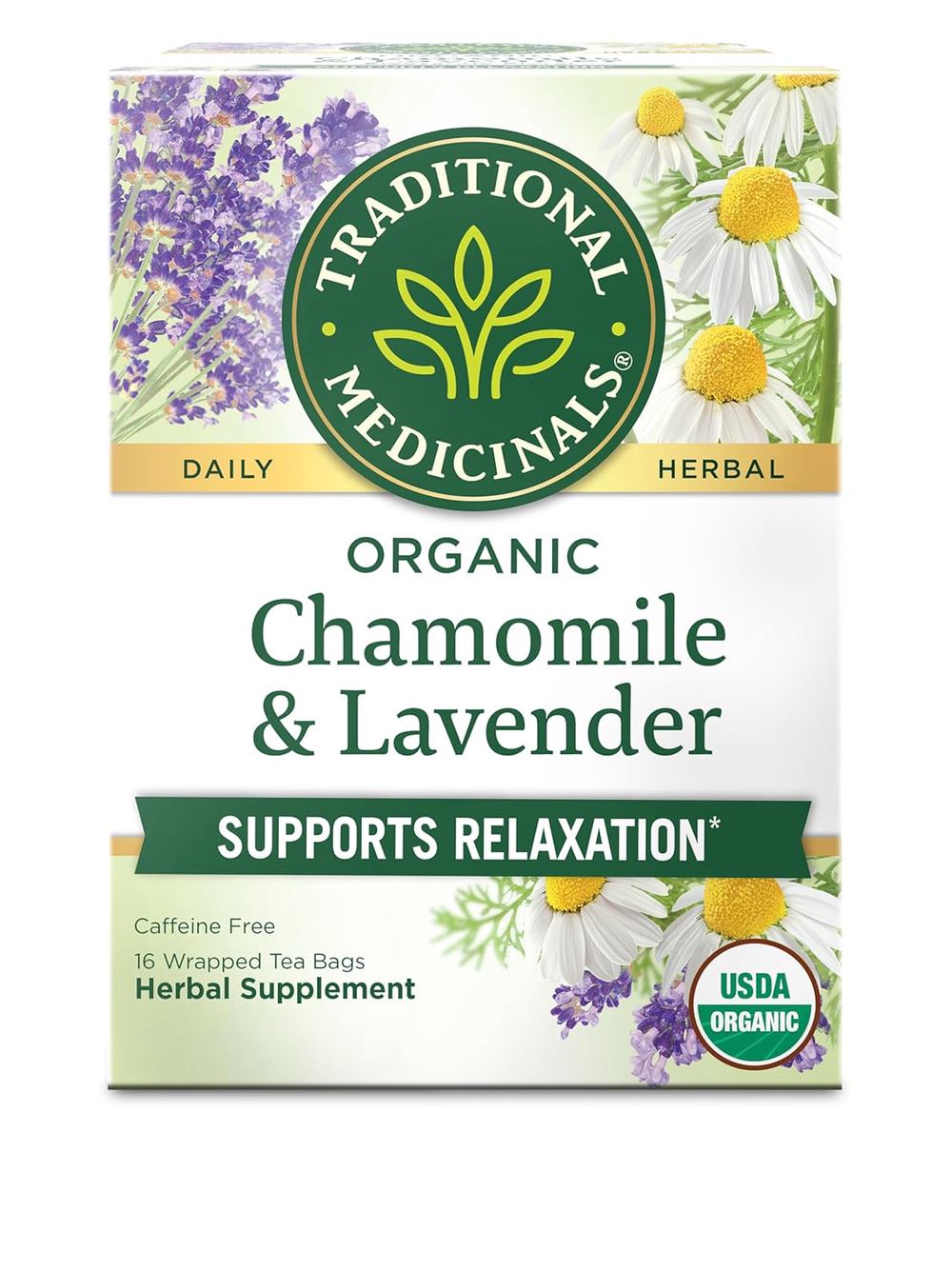
Traditional Medicinals Organic, Chamomile & Lavender - Chamomile Tea Supporting Stress Relief and Relaxation - Kosher, Non-GMO, Caffeine-Free, Compostable - 16 Tea Bags
Check it out

Bob's Red Mill Organic Extra Thick Rolled Oats, 32oz (Pack of 4) - Non GMO, Whole Grain, Vegan, Kosher
Check it out