4 lifestyle adjustments to lower stress hormones without medication
Four specific, evidence-informed lifestyle changes you can make today to help lower cortisol and adrenaline without medication, backed by how the stress system actually works.
Discover articles, guides, and practical insights for a healthier lifestyle.
Four specific, evidence-informed lifestyle changes you can make today to help lower cortisol and adrenaline without medication, backed by how the stress system actually works.

Dietitians explain how a specific breakfast pattern—rich in protein, healthy fats, and complex carbs—can help lower the morning cortisol awakening response naturally.
High cortisol can cause high blood pressure, digestive issues, headaches, cravings, and broken sleep that look like other illnesses. Learn how to spot the difference.
Learn the three early warning signs your cortisol and adrenaline levels are rising before you feel overwhelmed, plus practical steps to restore balance naturally.

Irritability can be a normal mood or a sign of an activated trauma response. Learn to spot the difference based on intensity, physical signs, context, and duration.

Speed-eating through lunch every day to avoid stillness? That pattern is a quiet warning sign of chronic stress. Here is why busy adults ignore it and what to do.

Learn six evidence-based prevention habits that stop avoidance behavior from fueling afternoon stress. Close mental loops early and protect your afternoon calm.
Learn how to trade stress-driven avoidance habits for a calming lunch. Expert tips on food choices, eating rituals, and nervous system resets.
Therapists explain why skipping lunch to avoid stress backfires, increasing anxiety and reducing focus. Learn healthy alternatives to this common habit.


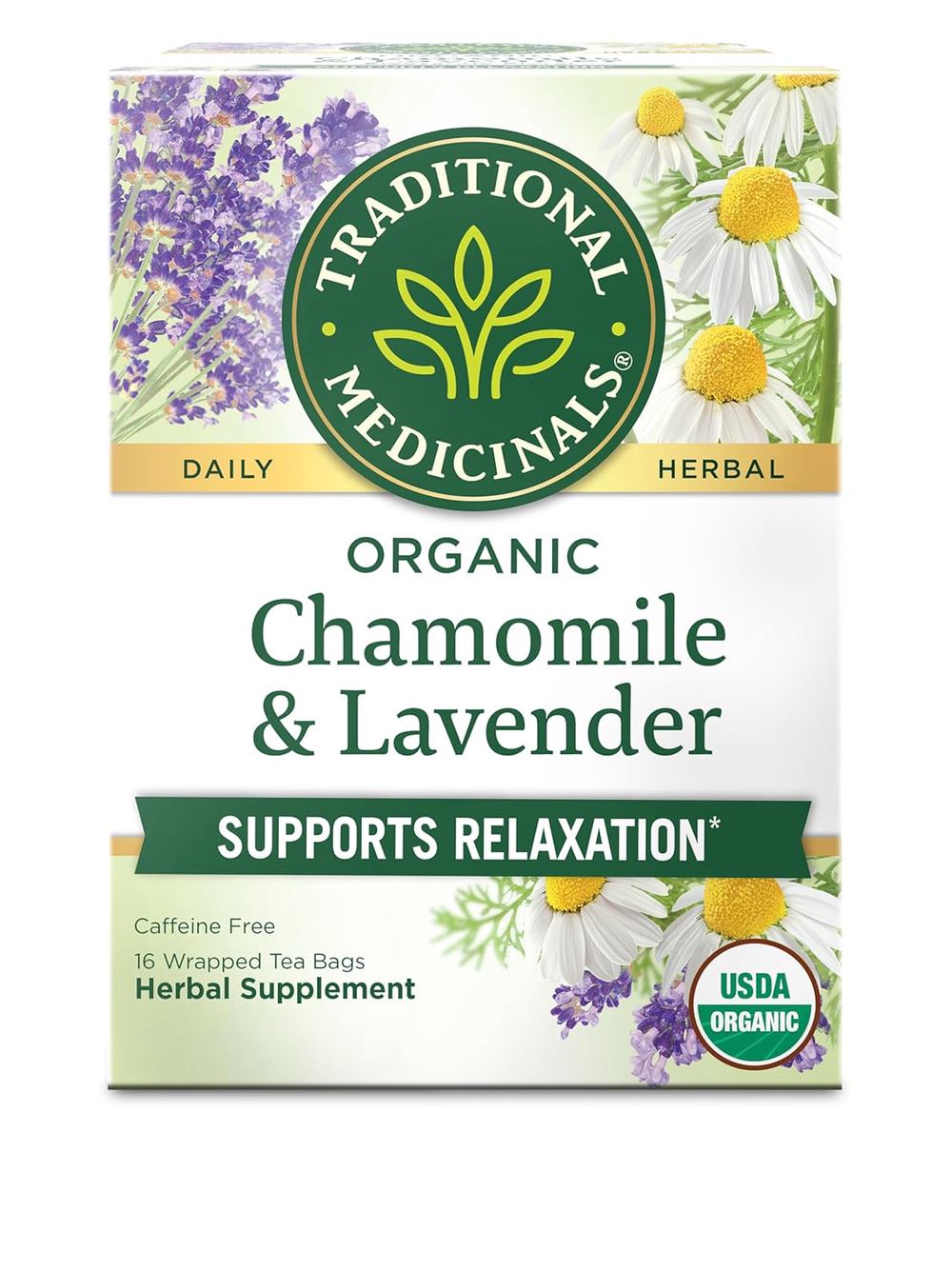
Traditional Medicinals Organic, Chamomile & Lavender - Chamomile Tea Supporting Stress Relief and Relaxation - Kosher, Non-GMO, Caffeine-Free, Compostable - 16 Tea Bags
Check it out
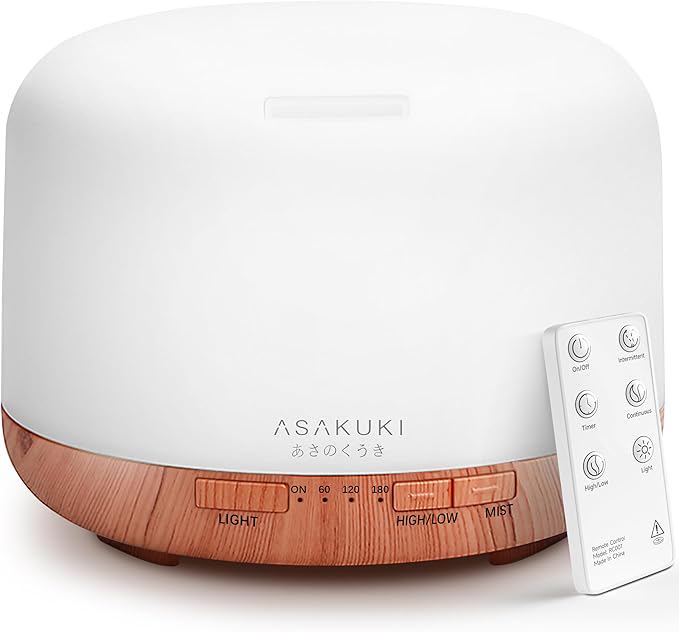
ASAKUKI Essential Oil Diffuser for Home, 500ML Aromatherapy Diffuser Humidifier with Remote Control, 7 Color LED Lights, Quiet Cool Mist Diffuser for Bedroom, Living Room, Office (Yellow)
Check it out