A Practical Explainer: How to Monitor Your Body's Stress Signals
Learn to recognize your body's physical stress signals—from muscle tension to breathing patterns—and use simple check-ins to build resilience and respond with awareness.
Discover articles, guides, and practical insights for a healthier lifestyle.
Learn to recognize your body's physical stress signals—from muscle tension to breathing patterns—and use simple check-ins to build resilience and respond with awareness.
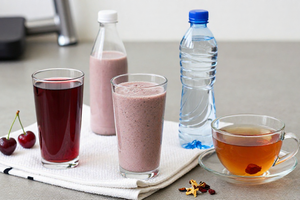
Discover the best post-workout drinks dietitians recommend for muscle repair and calming the nervous system, from tart cherry juice to herbal teas.

Discover which bedtime beverages, like tart cherry juice and hibiscus tea, contain compounds that may gently support healthy cholesterol levels as part of a balanced routine.

Learn how common evening habits like late meals, screen time, and unmanaged stress can quietly increase your risk for heart disease, and what to do instead.
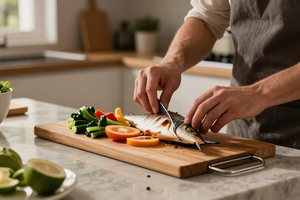
Learn how dietitians create a sustainable evening routine with nutrition, gentle movement, and sleep hygiene to support long-term heart health.

Discover how a typical family dinner habit can silently raise stress levels for all, and learn simple, practical ways to create a calmer, more connecting mealtime atmosphere.

Dietitians explain which hydrating drinks can support a teen's mood and energy, and which common choices are best to limit for better emotional balance.
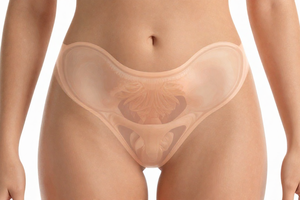
A guide to understanding pelvic pain, distinguishing between common cyclical discomfort and signs of underlying conditions that need medical evaluation.

Gynecologists explain endometriosis, fibroids, and pelvic inflammatory disease—three common causes of pelvic pain during reproductive years—and when to seek help.


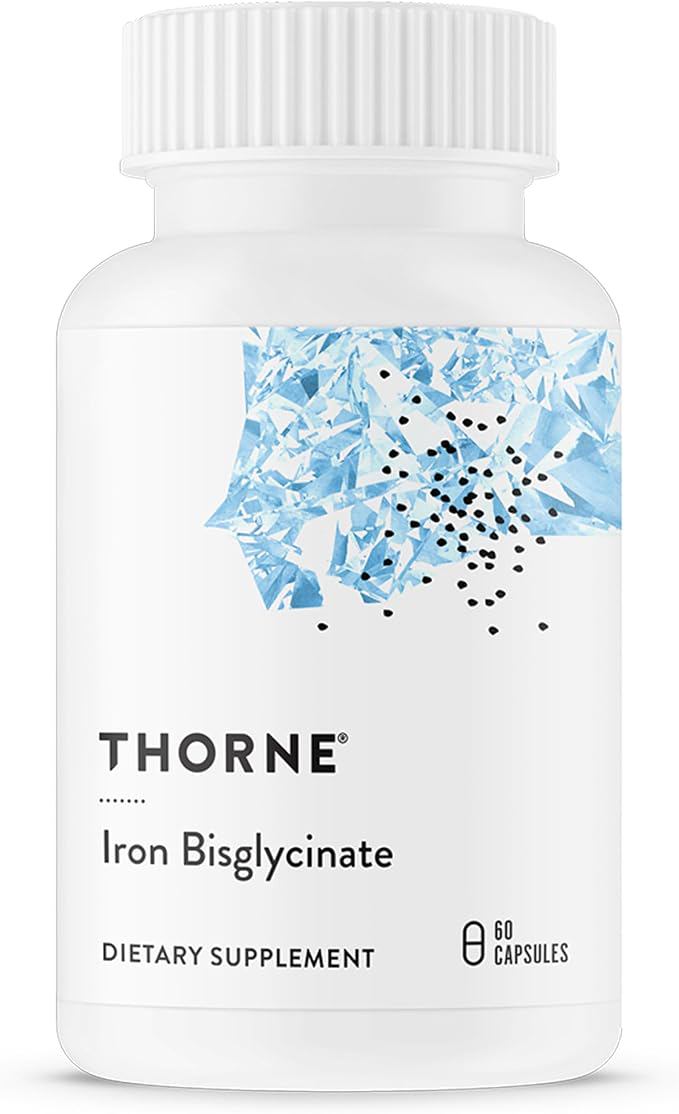
THORNE - Iron Bisglycinate - 25 mg Iron Supplement for Enhanced Absorption Without Gastrointestinal Side Effects* - Chelated Iron Capsules - NSF Certified for Sport - Gluten-Free - 60 Servings
Check it out

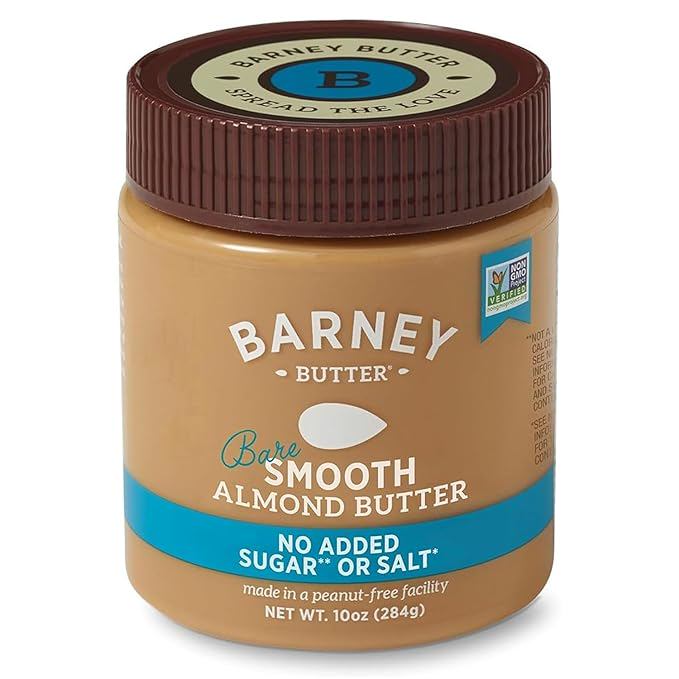
Barney Butter Almond Butter, Bare Smooth, 10 Ounce Jar, No Added Sugar or Salt, Skin-Free Almonds, No Stir, Non-GMO, Gluten Free, Keto, Paleo, Vegan
Check it out