You’ve finished your workout, your muscles are humming, and that post-exercise buzz is starting to fade into fatigue. What you reach for next can make a significant difference in how your body recovers and how you feel for the rest of the day. While we often focus on what to eat, the liquids we choose are equally crucial for calming the nervous system and kickstarting repair. Let’s explore what registered dietitians suggest sipping to support both physical recovery and mental calm.
The goal after exercise is twofold: to replenish what was lost and to provide the building blocks for repair. This means addressing fluid loss, electrolyte balance, muscle protein synthesis, and the body’s inflammatory response. The right beverage can seamlessly deliver on these needs, helping you transition from exertion to restoration.
Why Hydration is the First Step to Calm
Even mild dehydration can heighten feelings of stress and anxiety, making proper rehydration the non-negotiable foundation of post-workout calm. When you sweat, you lose more than water; you lose electrolytes like sodium, potassium, and magnesium, which are essential for nerve function and muscle relaxation. Simply guzzling plain water might not fully restore this balance, especially after a long or intense session.
Think of hydration as refilling the well your body draws from to regulate every process, including calming itself down.
This is where electrolyte-enhanced drinks come in. They help your body retain the fluid you’re taking in and ensure your nervous system has the minerals it needs to function smoothly. Look for options that provide a balance of key electrolytes without excessive added sugars.
Top Dietitian-Recommended Recovery Drinks
Beyond water, several beverages offer targeted benefits for post-exercise recovery and relaxation. Here’s a breakdown of what experts often recommend.
Tart Cherry Juice
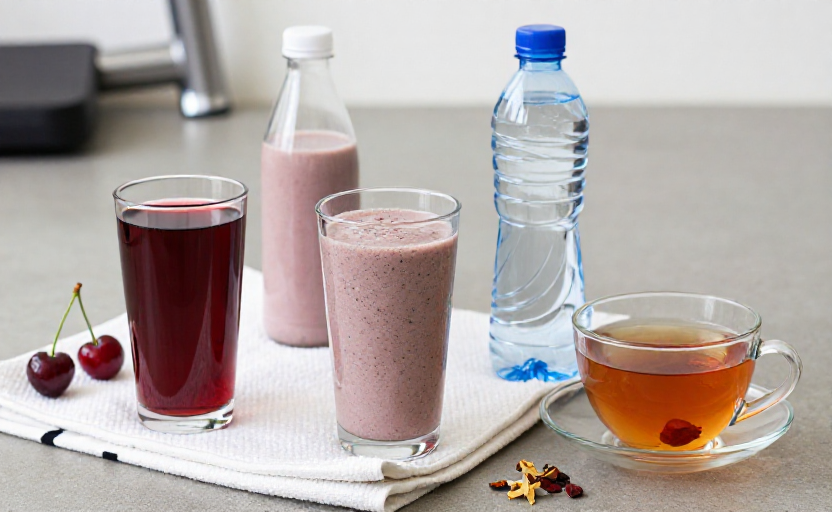
This deep red juice has garnered attention for its recovery properties. It’s rich in antioxidants and anti-inflammatory compounds, which can help reduce exercise-induced muscle soreness. Some research suggests it may also support sleep quality due to its natural melatonin content, aiding the crucial recovery that happens overnight. A small glass after an evening workout can be a soothing ritual.
Chocolate Milk (or a Plant-Based Alternative)
It’s a classic for a reason. Chocolate milk provides an ideal ratio of carbohydrates to protein, helping to replenish glycogen stores and provide amino acids for muscle repair. The carbohydrates can also help regulate cortisol, your primary stress hormone, which spikes during exercise. For a dairy-free option, a fortified soy or pea milk with a bit of cocoa can offer similar benefits.
Herbal and Green Teas
A warm cup of tea is inherently calming. Specific varieties offer additional perks:
- Green Tea: Contains antioxidants that may help mitigate oxidative stress from exercise. Its modest caffeine content can provide a gentle alertness without the jitters, paired with L-theanine, an amino acid that promotes relaxation.
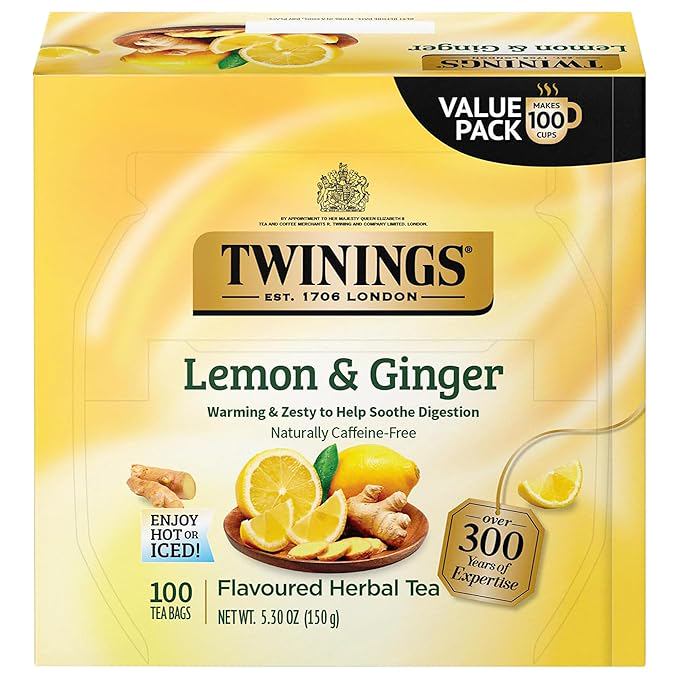
- Ginger Tea: Known for its anti-inflammatory properties, ginger can soothe digestion and may help ease muscle aches.
- Chamomile or Peppermint Tea: Caffeine-free and excellent for promoting relaxation. Chamomile is often linked to reduced anxiety, while peppermint can soothe the stomach and create a refreshing sense of calm.
Protein Smoothies
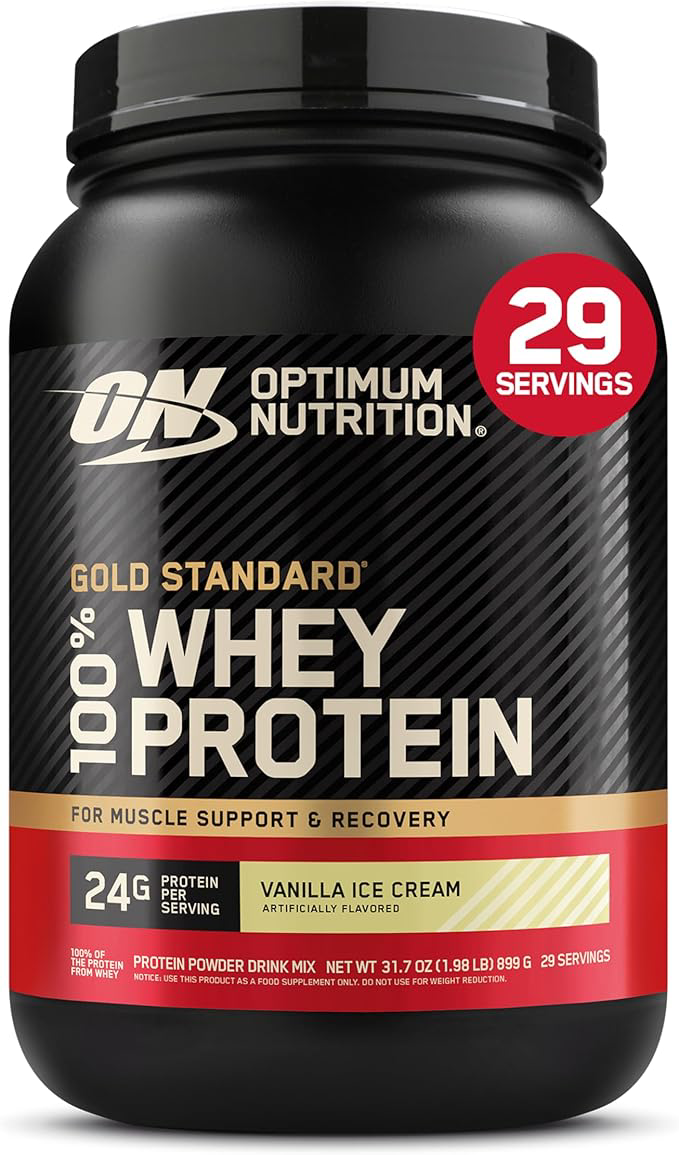
A blended smoothie is a versatile vehicle for recovery nutrients. Start with a liquid base like water, milk, or a milk alternative, add a scoop of protein powder or Greek yogurt, and include carbohydrates from fruit. For an extra anti-inflammatory boost, dietitians often suggest adding ingredients like spinach, turmeric, or a spoonful of ground flaxseed. The act of slowly sipping a cool, nutritious smoothie can be a mindful way to wind down.
What to Limit or Avoid
While some beverages aid recovery, others can hinder it. Dietitians generally advise caution with:
- Alcohol: It dehydrates, interferes with protein synthesis for muscle repair, and can disrupt sleep architecture, preventing deep, restorative sleep.
- Sugary Sports Drinks (for light workouts): If your session was under an hour and not excessively sweaty, the extra sugar and calories may be unnecessary. Water or an electrolyte tablet in water is often sufficient.
- Highly Caffeinated Drinks: A large coffee or energy drink post-workout might interfere with your body’s natural wind-down process and, for some, can exacerbate dehydration.
Listening to Your Body’s Signals
Ultimately, the "best" drink also depends on the type, duration, and intensity of your workout, as well as the time of day. A long morning run might call for a focus on hydration and carb-protein replenishment, while a gentle evening yoga session might be better followed by a calming herbal tea. Pay attention to your thirst, your energy levels, and what feels soothing. The ritual of preparing and enjoying your post-workout drink is itself a powerful signal to your nervous system that it’s time to shift from effort to ease.
By choosing beverages that intentionally support hydration, nutrient replenishment, and relaxation, you’re not just recovering from your last workout—you’re preparing your body and mind for whatever comes next.