
For many of us, the evening hours are a time to finally unwind, but they can also be a critical window for setting the stage for heart health. It’s not about a rigid, punishing schedule; it’s about gentle, consistent habits that signal to your body that it’s time to rest, repair, and reset. Dietitians focus on this period because what you do in the hours before bed can influence everything from your blood pressure and inflammation levels to your sleep quality and next-day food choices. Building a sustainable routine is less about restriction and more about thoughtful nourishment and calming ritual.
The goal is long-term maintenance, not a short-term fix. This means creating an evening flow that feels supportive, not stressful, weaving together nutrition, movement, and mindfulness in a way that fits your life. Let’s explore how dietitians approach crafting these pivotal hours.
What does nutrition have to do with the evening?
Your last meal or snack is more than just fuel; it’s information for your body overnight. A heart-healthy evening plate focuses on foods that support stable blood sugar, reduce overnight inflammation, and provide nutrients for repair without overtaxing digestion.
Think about including a balance of fiber, healthy fats, and lean protein. Fiber, found abundantly in vegetables, whole grains, and legumes, helps manage cholesterol and keeps you feeling satisfied. A small serving of healthy fats, like those in avocado, olive oil, or nuts, can aid in nutrient absorption and provide sustained energy. Lean protein, such as fish, poultry, tofu, or beans, supports tissue repair throughout the night.
Your evening meal isn’t a last chance to eat everything in sight. It’s an opportunity to nourish your body for the long, restorative night ahead.
Timing matters, too. Dietitians often suggest finishing your last sizable meal at least two to three hours before bed. This allows your body to begin the digestive process before lying down, which can help prevent discomfort and acid reflux, allowing for more restful sleep—a key pillar of cardiovascular health.
How can you wind down your eating for the day?
The post-dinner stretch is where mindful habits truly shine. It’s easy to drift into mindless snacking while watching television or scrolling through your phone. Instead, try creating a clear endpoint to your eating for the day.
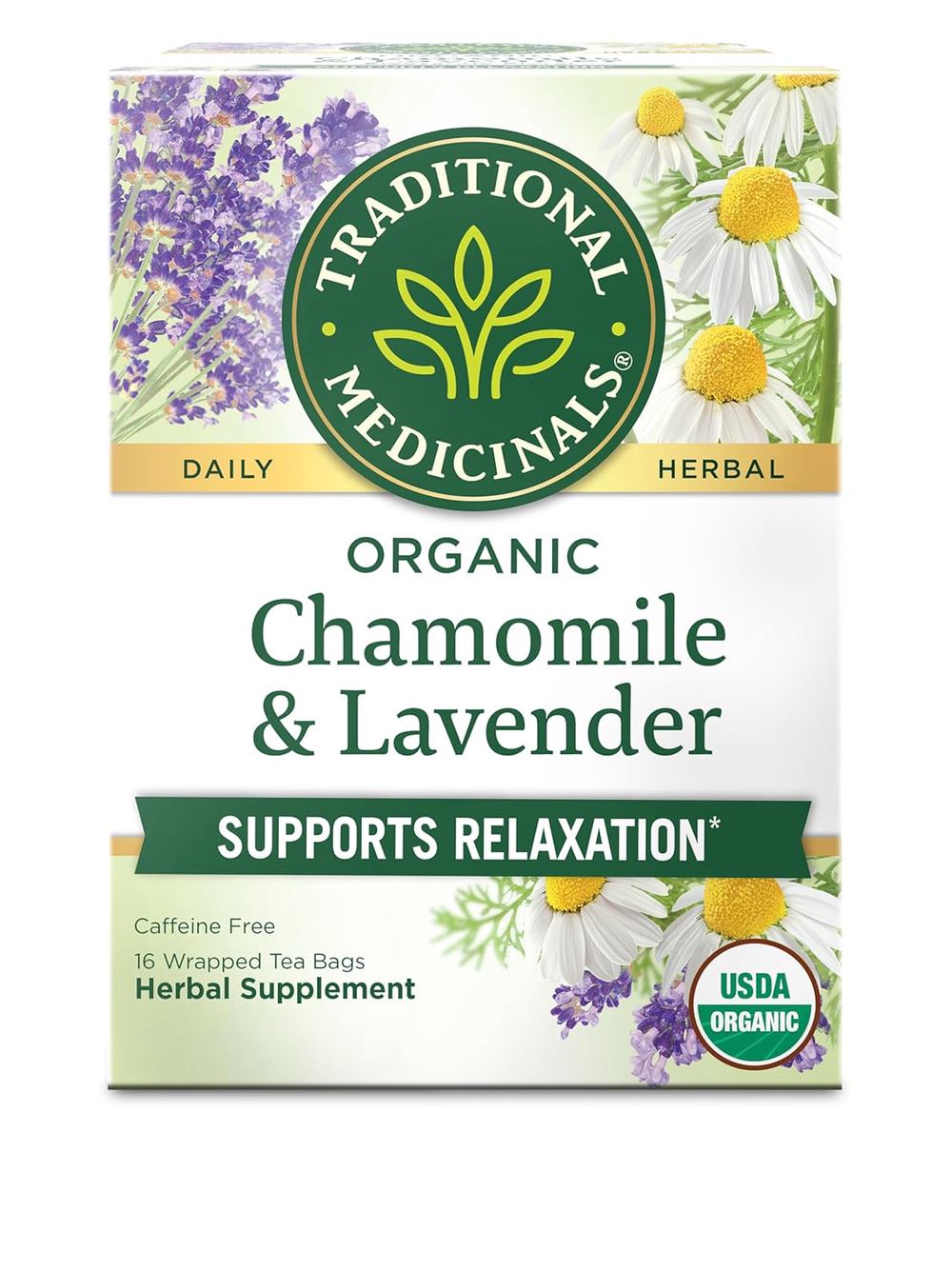
This might look like brewing a cup of herbal tea, like chamomile or peppermint. The ritual of making the tea and sipping it slowly can satisfy the oral fixation of snacking while providing hydration and calming compounds. If you are genuinely hungry later, a very small, balanced snack is fine. A good rule of thumb is to combine a little protein with a complex carbohydrate, like a few almonds with a single square of dark chocolate, or a small bowl of berries with a spoonful of Greek yogurt.
The focus is on intentionality. Ask yourself if you’re eating out of hunger, habit, or emotion. Simply pausing to check in can be a powerful tool for breaking automatic patterns that don’t serve your heart health goals.
What to limit as the night progresses
As part of a heart-conscious routine, it’s wise to be mindful of a few specific items in the evening. Heavy, greasy, or very large meals can strain your digestive system and disrupt sleep. Excessive sodium, often hidden in processed snacks, frozen meals, and sauces, can contribute to overnight fluid retention and elevated blood pressure. And while a small piece of dark chocolate is a fine treat, be cautious with added sugars, which can spike blood sugar and may interfere with sleep quality.
Beyond the plate: The full evening ecosystem
A dietitian’s view of a heart-healthy evening always extends beyond food. They know that sleep, stress, and movement are inextricably linked to metabolic and cardiovascular health.
Gentle movement is a cornerstone. This isn’t about intense exercise that revs you up. It’s about gentle activity that aids digestion and lowers stress hormones. A 10-15 minute leisurely walk after dinner, some light stretching, or a few restorative yoga poses can help lower blood pressure and blood sugar levels post-meal and cue your nervous system to shift into a calmer state.
Managing stress and light exposure is crucial. Chronic stress is a known risk factor for heart disease. The evening is a prime time to practice de-escalation. This could mean a short meditation, deep breathing exercises, reading a physical book, or journaling to download the day’s thoughts. Crucially, this also involves dimming bright overhead lights and minimizing blue light from screens at least an hour before bed. This supports your natural melatonin production, leading to deeper, more restorative sleep.
Consistent sleep hygiene protects your heart. Poor sleep is associated with higher blood pressure, weight gain, and increased inflammation. A calming pre-sleep ritual—perhaps washing your face, brushing your teeth, and setting out clothes for the next morning—signals to your brain that it’s time to power down. Keeping your bedroom cool, dark, and quiet optimizes the environment for heart-healthy rest.
Building your own sustainable routine
The idea isn’t to implement all these suggestions at once. That’s a recipe for burnout. Start with one or two elements that feel most accessible or appealing to you.
- Week 1: Focus solely on finishing dinner 2-3 hours before bed and swapping a late-night snack for a cup of herbal tea.
- Week 2: Add a 10-minute post-dinner stroll around the block.
- Week 3: Introduce a 5-minute deep breathing or gratitude practice before turning out the light.
Pay attention to how these changes make you feel. Do you wake up feeling more rested? Is your digestion calmer? Do you have more steady energy in the morning? These positive feedback loops are what make a routine stick for the long term. A heart-healthy evening is built slowly, one gentle habit at a time, creating a foundation of care that lasts a lifetime.