
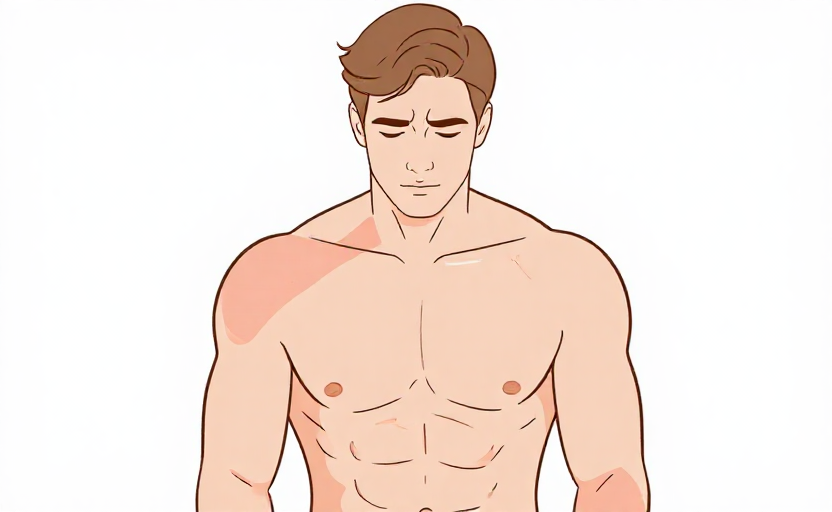
We often think of stress as a mental state—a feeling of being overwhelmed, anxious, or rushed. But long before your mind consciously registers that you’re stressed, your body has already begun sending signals. Learning to recognize these physical cues is like learning a new language; it allows you to respond to your body’s needs before stress accumulates and impacts your health.
This isn’t about adding another item to your wellness checklist. It’s about cultivating a simple, non-judgmental awareness. By tuning into your body’s unique stress language, you can make small, timely adjustments that support your overall resilience.
Why Listen to Your Body’s Stress Signals?
Chronic, unmanaged stress doesn’t just feel unpleasant—it can contribute to a host of physical issues, from tension headaches and digestive troubles to a weakened immune system and sleep disturbances. Your body’s early warning system is designed to protect you. When you notice a clenched jaw or shallow breathing, that’s your body asking for a moment of attention. Honoring that request, even briefly, can help prevent a minor reaction from becoming a major drain on your energy and well-being.
Think of monitoring stress signals not as a diagnosis, but as a form of self-connection. It’s the first, most honest step toward choosing a supportive response.
The Four Key Areas to Monitor
Stress manifests in predictable patterns across the body. By checking in with these four areas regularly, you can build a clear picture of your personal stress signature.
1. Muscle Tension and Posture
This is often the most obvious physical sign. Stress hormones prepare your muscles for action, which can lead to sustained tension even when you’re sitting still.
- Common hotspots: The jaw (clenching or teeth grinding), shoulders (hunched up toward the ears), neck, forehead, and hands (clenched fists).
- How to check in: Pause for 10 seconds. Scan from your forehead down to your feet. Where do you feel tightness, ache, or rigidity? Simply bringing gentle awareness to these areas can sometimes prompt them to soften.
2. Breath and Heart Rate
Your breathing pattern is a direct window into your nervous system. Under stress, breathing typically becomes faster and shallower, centered high in the chest.
- What to notice: Is your breath quiet and flowing, or is it held, shallow, or audible? Can you feel your belly expand on the inhale, or is the movement only in your upper chest?
- A simple reset: Try lengthening your exhale. Breathe in gently for a count of four, then breathe out slowly for a count of six or seven. Even three breaths like this can signal safety to your body.
3. Digestion and Appetite
The gut is highly sensitive to emotional and psychological stress. You might notice changes even with low-grade, persistent worry.
- Signals to observe: A nervous stomach, butterflies, loss of appetite, or conversely, a desire to snack constantly. Some people experience bloating, constipation, or more frequent trips to the bathroom when stressed.
- Gentle inquiry: Before reaching for food or an antacid, pause. Ask yourself if what you’re feeling might be connected to a stressor. Sometimes, a glass of water and a few mindful breaths can clarify the sensation.
4. Energy and Temperature
Stress affects your energy circulation. You might feel it as a restless, wired energy, or as a sudden, heavy fatigue.
- Physical cues: Feeling unusually warm or flushed, cold hands and feet, a general sense of agitation, or a crash in energy levels in the afternoon.
- Noticing the pattern: Does your energy feel scattered and frantic, or completely drained? This distinction can help you choose the right counter-balance, like movement versus rest.
Building Your Personal Monitoring Practice
You don’t need to track every signal all day. The goal is to integrate brief, compassionate check-ins into your existing routine.
Anchor to daily transitions. Use natural pauses as reminders: after you sit down at your desk, before you start your car, when you wash your hands, or right before a meal. In that moment, simply ask: What’s happening in my body right now?
Keep a simple log. For a week, jot down notes a few times a day. Record the time, what you notice in your body (e.g., “tight shoulders, shallow breath”), and what’s happening around you (e.g., “right before a meeting,” “after scrolling news”). Patterns will emerge, showing you your specific triggers and responses.
Respond, don’t fix. The purpose of noticing is not to criticize yourself for being stressed. It’s to create a choice point. When you notice tension, you might choose to stretch. When you notice shallow breath, you might choose to take three deeper ones. The action is less important than the act of compassionate response.
Remember, this is a practice of curiosity, not control. Some days you’ll be more attuned than others. The simple act of regularly turning your attention inward strengthens your ability to care for your well-being from a place of awareness, helping you navigate life’s pressures with a bit more ease and grace.