Pelvic pain during your reproductive years can be a source of significant worry and discomfort. It’s a symptom that sends many people to their doctor’s office, searching for answers. The experience is deeply personal—sometimes a dull ache, other times a sharp, stabbing sensation—and its causes are varied. While this type of pain is common, it should never be dismissed as just a normal part of life. Understanding the potential reasons behind it is the first step toward finding relief and ensuring your reproductive health is on track.
We’ve spoken with gynecologists to clarify three of the most frequent culprits behind pelvic pain in individuals with uteruses during their childbearing years. It’s crucial to remember that this information is for educational purposes only; a proper diagnosis always requires a consultation with your own healthcare provider, who can consider your unique medical history and symptoms.
What are the most common gynecological causes of pelvic pain?
Pelvic pain can stem from issues with the reproductive organs, the urinary system, the digestive tract, or muscles and ligaments. When focusing on gynecological sources, a few conditions consistently appear as primary explanations. These aren’t just occasional cramps; they are conditions that can cause persistent or recurrent pain, impacting daily life.
Endometriosis
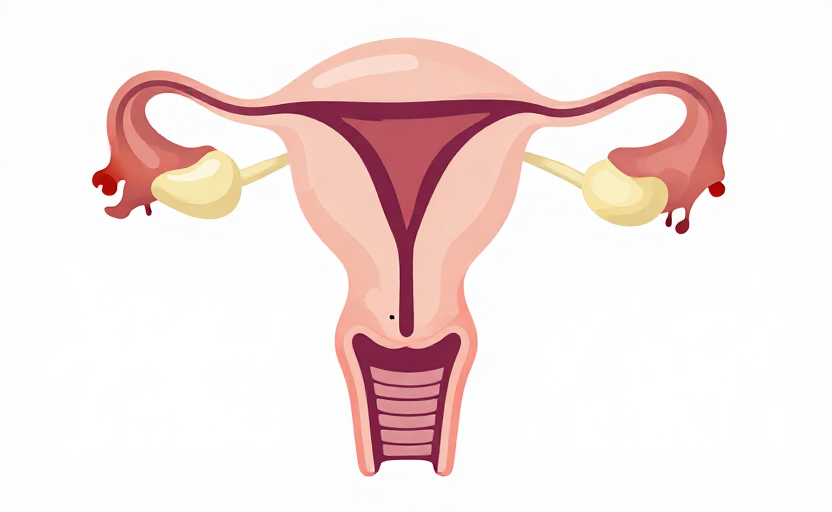
Endometriosis occurs when tissue similar to the lining of the uterus grows outside of it, often on the ovaries, fallopian tubes, or the lining of the pelvic cavity. This tissue behaves as it would inside the uterus—it thickens, breaks down, and bleeds with each menstrual cycle. But because it has no way to exit the body, it becomes trapped.
This leads to inflammation, scarring, and the formation of painful adhesions that can bind organs together. The pain is often cyclical, worsening around your period, but it can also be chronic. It might feel like severe menstrual cramps, deep pain during or after sex, or pain with bowel movements or urination, especially during your period. Fatigue and heavy periods often accompany it.
Endometriosis is a systemic inflammatory condition, not just ‘bad cramps.’ The pain can be debilitating and is a valid reason to seek specialized care.
Uterine Fibroids
Fibroids are non-cancerous growths made of muscle and fibrous tissue that develop in or around the uterus. They are incredibly common, and many people have them without ever knowing. However, when they grow large or are positioned in certain ways, they can cause significant symptoms.
Pain from fibroids often presents as a feeling of heaviness or pressure in the pelvis, almost like a constant, dull ache. They can also cause:
- Prolonged or heavy menstrual bleeding.
- Pain during sexual intercourse.
- Frequent urination or difficulty emptying the bladder if a fibroid presses on it.
- Lower back pain.
The size and location of the fibroid largely determine the type of pain and other symptoms you might experience.
Pelvic Inflammatory Disease (PID)
Pelvic Inflammatory Disease is an infection of the female reproductive organs, usually caused by sexually transmitted bacteria (like chlamydia or gonorrhea) that travel from the vagina into the uterus, fallopian tubes, or ovaries. It’s a serious condition that requires prompt medical treatment to prevent long-term complications like chronic pelvic pain, ectopic pregnancy, and infertility.
The pain from PID can be sharp or crampy and is often felt in the lower abdomen and pelvis. Other key signs include:
- Unusual vaginal discharge, sometimes with a foul odor.
- Fever and chills.
- Pain or bleeding during or after sex.
- Painful or frequent urination.
If you experience a combination of these symptoms, especially with fever, it’s important to see a doctor immediately.
When should you see a doctor about pelvic pain?
While occasional mild discomfort might be related to your menstrual cycle, certain signs warrant a prompt visit to your gynecologist or primary care provider. Trust your instincts—you know your body best.
Seek medical advice if your pain:
- Is severe or suddenly worsens.
- Interferes with your daily activities, work, or sleep.
- Is accompanied by fever, chills, or nausea.
- Occurs alongside unusual vaginal bleeding or discharge.
- Happens consistently during or after sexual intercourse.
- Is associated with pain during bowel movements or urination.
- Does not improve with over-the-counter pain relievers or rest.
Keeping a simple symptom diary can be incredibly helpful for your appointment. Note when the pain occurs, what it feels like, how long it lasts, and anything that seems to trigger or relieve it. This concrete information gives your doctor valuable clues.
What happens during a diagnostic evaluation?
Your doctor will start with a detailed conversation about your medical history and symptoms. This is followed by a pelvic exam to check for tenderness, unusual growths, or signs of infection. From there, they may recommend further tests to visualize what’s happening inside. These can include:
- Ultrasound: This is often the first imaging test, using sound waves to create pictures of your uterus, ovaries, and fallopian tubes. It can identify fibroids, ovarian cysts, and other structural issues.
- Laparoscopy: For conditions like endometriosis, this minimally invasive surgical procedure is sometimes necessary for a definitive diagnosis. A surgeon inserts a tiny camera through a small incision to look directly at the pelvic organs.
- Blood tests or cultures: These can help identify infections like PID or check for markers of inflammation.
The goal is to pinpoint the cause so that an effective, personalized management plan can be created. Treatment varies widely, from hormonal medications and physical therapy to various surgical options, depending on the diagnosis and your personal goals, such as future pregnancy plans.
Pelvic pain is a signal from your body, not a life sentence. By understanding these common causes and partnering with a knowledgeable healthcare provider, you can move toward accurate diagnosis and effective management, reclaiming your comfort and quality of life.