
Most weight-loss advice focuses on what not to eat. But a quieter, more effective approach asks a different question: How do you feel when you eat? Tracking satiety—the sensation of fullness and satisfaction between meals—shifts your focus from restriction to awareness. It’s not a diet. It’s a skill.
When you learn to recognize your body’s fullness cues, you can stop eating before you’re stuffed, enjoy your food more, and naturally eat less over time. Here’s a practical, step-by-step look at how to track satiety for mindful, sustainable weight loss.
What Is Satiety, Really?
Satiety isn’t the same as fullness. Fullness is the physical stretch in your stomach that says “stop.” Satiety is the longer-lasting feeling of satisfaction that keeps you from thinking about food for hours. It’s influenced by what you eat (protein and fiber help), how you eat (slowly, without distraction), and even your emotions.
Tracking satiety means paying attention to this feeling before, during, and after meals. Over time, you get better at predicting which foods and eating habits keep you satisfied.
Why Tracking Helps With Weight Loss
We often eat for reasons other than hunger—boredom, stress, habit, or because the clock says it’s time. Satiety tracking brings those patterns into the light. When you log how full you feel on a simple scale (say, 1 to 10), you start to notice that a certain snack leaves you hungry an hour later, while a balanced meal keeps you going for four hours. That awareness alone can change what you reach for.
Research also shows that people who eat mindfully and tune into satiety cues tend to have lower calorie intakes—without the misery of deprivation.
A Simple Satiety Tracking Method
You don’t need an app or a fancy journal. Here’s a method that works for real life:
- Rate your hunger before you eat. Use a 1–10 scale where 1 is “starving” and 10 is “stuffed to the point of discomfort.” Ideally, you want to start eating around a 3 or 4 (moderately hungry but not ravenous).
- Pause halfway through your meal. Take a breath. How does your stomach feel? Are you still truly hungry, or are you just eating because the food is there? Rate your satiety again.
- Stop at a 6 or 7. That’s the “comfortably satisfied” zone—not full, not hungry. You could eat more, but you don’t need to. Leave the last few bites.
- Check in an hour later. How do you feel? Energetic? Bloated? Still satisfied? Note that for the next meal.
That’s it. You don’t have to measure or count anything. The act of pausing and rating is the tool.
A helpful prompt: “Am I eating this because I’m hungry, or because it’s there?” That one question can prevent a lot of mindless snacking.
What to Do With Your Satiety Data
After a week of tracking, patterns will emerge. You might notice that breakfasts high in protein keep you full until lunch, while a bagel leaves you searching for a snack by 10 a.m. Or that eating dinner after 8 p.m. leads to late-night cravings.
Use those insights to adjust—not to punish yourself. If a meal left you unsatisfied, think about what you could add next time: more vegetables, a little fat, a bigger portion of protein. The goal is to build a personal menu that keeps your satiety high and your hunger steady.
Foods That Boost Satiety
Some foods naturally promote longer-lasting fullness. Focus on including these in your meals:
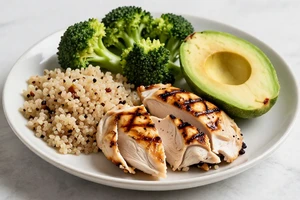
- Protein: eggs, Greek yogurt, chicken, legumes, tofu
- Fiber: vegetables, fruits, whole grains, nuts, seeds
- Water-rich foods: soups, stews, fresh produce (they add volume without many calories)
- Healthy fats: avocado, olive oil, fatty fish (in moderate amounts)
You don’t need to eat only those foods—just add them in. Even small swaps (like an apple instead of juice) can improve satiety.
Common Pitfalls and How to Avoid Them
Tracking satiety sounds simple, but it takes practice. Here are some things that trip people up—and how to handle them.
| Pitfall | Solution |
|---|---|
| Forgetting to rate meals | Set a phone reminder after meals for the first week. It becomes automatic quickly. |
| Eating too fast | Put your fork down between bites. It takes your brain about 20 minutes to get the “full” signal. |
| Feeling guilty about eating to 8 or 9 | No guilt. Just notice how you feel. That data is useful—it tells you something about the meal. |
| Not believing your own ratings | Trust your body, not what you think you “should” feel. Satiety is personal. |
How to Keep It Going
Consistency matters more than perfection. You don’t have to track every meal forever. Once you internalize the scale, you’ll naturally know when to stop eating. But if you feel your habits slipping, a three-day reset of satiety tracking can bring you back.
You can also pair it with a food journal. Write down what you ate, your pre-meal hunger rating, and your post-meal satiety rating. Over time, you’ll build a personal reference library of which meals work best for your body.
Final Thoughts
Tracking satiety isn’t about willpower. It’s about learning a new way to relate to food—one that’s based on listening, not controlling. When you trust your body to tell you when it’s had enough, weight loss becomes a side effect of a healthier relationship with eating.
Start today. Next meal, rate your hunger before you take the first bite. Then pause halfway. Then stop when you feel good. That’s the whole practice.