Walking into a grocery store can feel like walking into a negotiation. Every package is trying to convince you, using bright colors and bold promises, that this particular box or bag is the healthy choice. The language on processed food labels is rarely straightforward. Terms like 'natural,' 'multigrain,' and 'light' sound virtuous, but they are often marketing tricks designed to make highly processed products seem better than they are.
Food manufacturers are skilled at working within legal loopholes to highlight the one good ingredient while burying the sugar, refined grains, or additives. Learning to cut through this noise does not require a diploma in nutrition. It just requires a few specific, practical strategies. Below is an explainer on how to spot the most common deceptive food label tactics and how to shop smarter.
Why 'Natural' and 'Organic' Are Not the Same
The word 'natural' is one of the most abused terms in the grocery aisle. Because the FDA has not formally defined the term for most food products (except for meat and poultry), it can mean almost anything a company wants it to mean. A 'natural' fruit snack can be made with white flour, sugar, and synthetic vitamins—as long as none of the ingredients are artificial colors or preservatives. That is a very low bar.
If you want a label with actual government regulation, look for the USDA Organic seal. While organic does not automatically mean 'healthy' (organic cookies are still cookies), it does mean the product has met strict standards regarding pesticides, synthetic fertilizers, and genetic engineering. Do not give 'natural' the same weight as 'organic.' It is a marketing word, not a nutritional promise.
The Sugar Shell Game
Sugar is the master of disguise on ingredient lists. Manufacturers know that if they list 'sugar' as a top ingredient, shoppers will notice. So they break the sugar into smaller portions using different names. A single product can contain brown sugar, evaporated cane juice, barley malt, dextrose, and fruit juice concentrate—none of which sound like plain sugar.
Here is how to cut through the trick:
- Look at the total grams of added sugar on the Nutrition Facts panel. This is the most honest number on the box.
- Check where the sugars appear in the ingredients list. If you see three or four different sweeteners before any whole-food ingredient, the product is mostly sugar.
- Ignore claims like 'no high-fructose corn syrup.' This claim is a distraction. A product can have zero high-fructose corn syrup but still be loaded with honey, agave, or white sugar—all of which affect blood sugar similarly.
Quick tip: If the ingredient list reads like a chemistry lab inventory, it is a sign the food is ultra-processed, regardless of what the front of the bag claims.
'Multigrain,' 'Wheat,' and the Whole-Grain Trap
Bread, crackers, and cereals often boast about being 'multigrain' or 'made with whole wheat.' Those terms sound healthy, but they are often misleading. 'Multigrain' simply means the product contains more than one type of grain. It could be refined white flour, enriched flour, and a tiny sprinkle of oat bran. It does not mean the grains are whole.
What to look for instead
The only phrase that reliably indicates a truly whole-grain product is '100% whole grain' or when the first ingredient listed is a specific whole grain (e.g., 'whole oats,' 'whole wheat flour'). If the first ingredient is 'enriched wheat flour' or 'unbleached wheat flour,' the product is mostly refined white flour, stripped of fiber and nutrients. Do not trust the front of the package; flip it over and check the first ingredient.
'Reduced Fat' and 'Light' Often Means More Sugar
When a product is called 'low-fat' or 'light,' the fat is removed to lower the calorie count. There is a problem: removing fat also removes flavor. To make the product taste palatable, manufacturers often add sugar, sodium, or artificial thickeners. You end up with a product that has nearly the same number of calories—or more—but with a worse nutritional profile.
Instead of reaching for the fat-free version of a salad dressing, yogurt, or peanut butter, consider buying the full-fat version and using a smaller serving size. Your body often processes whole foods with natural fats more efficiently, and you will likely feel satisfied with a smaller amount.
The Serving Size Illusion
One of the easiest ways to be misled is by the serving size. Marketers know that if a product looks low in calories, fat, or sugar, you are more likely to buy it. So they set unreasonably small serving sizes. A small bag of chips might be listed as containing two servings, even though most people will eat the entire bag in one sitting.
Always look at the servings per container number. Then multiply the calories, fat, and sugar by that number. If a bottle of iced tea says it has 50 calories but contains 2.5 servings, drinking the whole bottle means you just consumed 125 calories—and the sugar that comes with it. That is not a drink; it is a dessert in disguise.
How to Read an Ingredient List Like an Expert
Ingredients are listed in descending order by weight. The first three ingredients make up the bulk of the food. If those three include refined grains, sugar, or hydrogenated oils, put the package down. A good rule of thumb is the 5-ingredient rule: if a product has more than five ingredients and you cannot pronounce or identify at least three of them, it is likely ultra-processed. This is not a hard science, but it is a reliable red flag for less healthy options.
Certification Seals That Actually Mean Something
Not all seals are equal. Some are paid for by the manufacturer and have no oversight. When scanning a package, look for seals that are backed by independent third-party verification. These include:
- Non-GMO Project Verified (if you want to avoid genetically modified ingredients)
- Rainforest Alliance Certified (for ethical sourcing and sustainability)
- Whole Grain Stamp (the 100% stamp, not the basic stamp, which can contain refined grains)
- Certified Gluten-Free (regulated by the FDA)
Skip seals that are vague or owned by the brand itself, like generic 'healthy' checkmarks or 'all-natural' badges with no certifying body.
Putting It All Into Practice
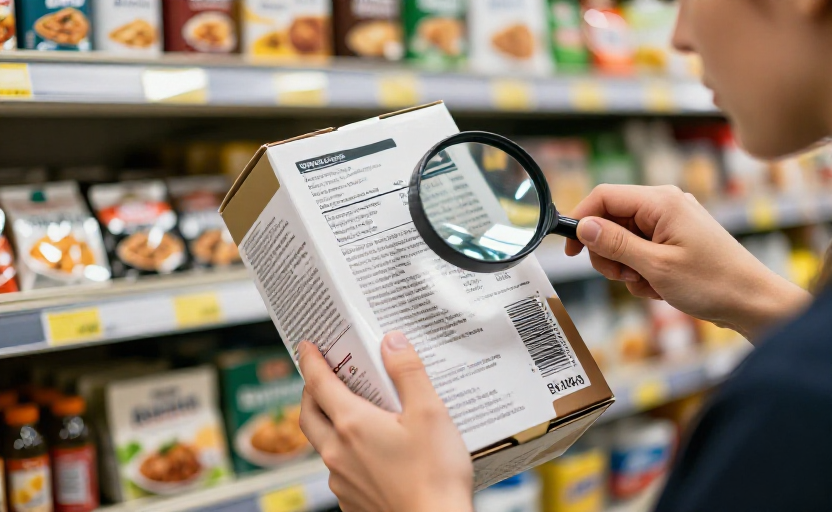
Next time you are at the store, resist the temptation to read the front of the box. That is advertising space. Turn the package over and look at two things: the ingredient list and the Nutrition Facts panel. Ask yourself: Is the first ingredient a whole food? How many different types of sugar are hiding in the list? Is the serving size realistic? Taking those thirty seconds can save you from buying food that is secretly just another refined, sugary product dressed up in health-conscious packaging.
Being a smart shopper is not about being paranoid. It is about being informed. Once you know the tricks, you cannot un-see them. And that is exactly the kind of awareness your body will thank you for.