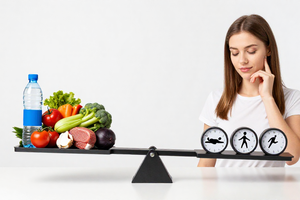
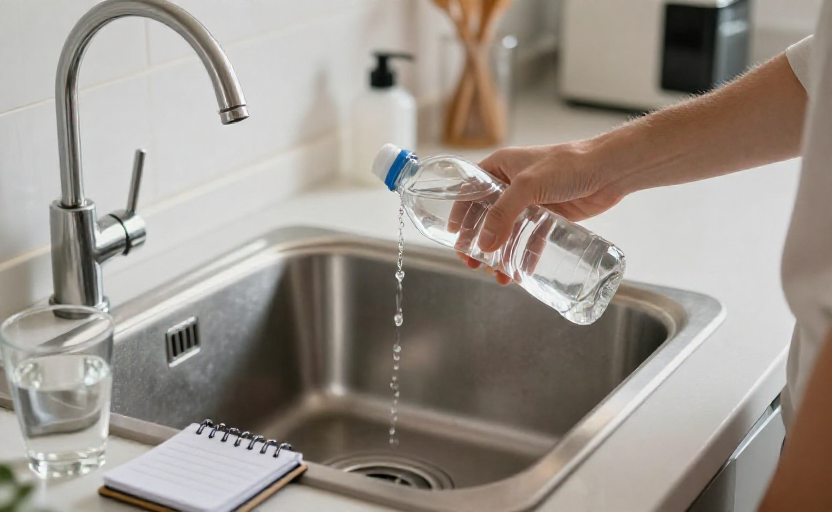
You are doing everything right—eating clean, moving more, sleeping better—but the scale is barely budging. Before you overhaul your entire routine, consider this: the most common hydration error may be quietly sabotaging your weight loss efforts. And the fix is simpler than you think.
We often treat water as an afterthought, something to grab when we feel thirsty. But thirst is a late signal. By the time you feel it, your body is already mildly dehydrated. And when you are dehydrated, your metabolism slows down, your energy dips, and your brain can confuse thirst with hunger, leading to unnecessary snacking. Here is how to identify and correct the most common hydration mistake—so your body can actually work with you, not against you.
The #1 Mistake: Drinking Too Little, Too Late
The most frequent error people make is not drinking enough water throughout the day, then trying to chug a large volume all at once—often before or after a workout. This pattern does not support efficient weight loss. Your kidneys can only process about 800–1,000 milliliters of fluid per hour. When you flood your system, you simply excrete the excess, missing the window where your body could have used that water for digestion, metabolism, and fat oxidation.
What happens inside your body when you are under-hydrated
Water is essential for lipolysis, the process by which your body breaks down fat for energy. When you are even slightly dehydrated, this process slows. Your liver also needs adequate water to convert stored fat into usable energy. Additionally, dehydration causes blood volume to drop, which means your heart works harder and your muscles receive less oxygen during exercise—so you tire faster and burn fewer calories.
A quick tip: Keep a reusable water bottle on your desk or counter and sip steadily throughout the day. Set a gentle reminder on your phone if you tend to get busy and forget.
The Second Common Error: Relying on Thirst as Your Guide
Thirst is not a reliable indicator of hydration status, especially as we age. By the time your mouth feels dry, you may already be 1–2% dehydrated. For weight loss, that is significant. A 1% drop in hydration can reduce metabolic rate and impair thermoregulation during exercise, making your workouts feel harder than they need to be.
A better strategy is to establish a baseline. Aim for roughly half your body weight in ounces of fluid per day from plain water and hydrating foods. For example, if you weigh 160 pounds, that is about 80 ounces—or ten 8-ounce glasses. This is a starting point; individual needs vary based on activity, climate, and overall diet.
The Third Common Error: Ignoring the Electrolyte Balance
Drinking plain water is great, but if you exercise heavily or sweat a lot, you may be flushing out sodium, potassium, and magnesium without replacing them. Low electrolytes can cause fatigue, muscle cramps, and water retention—exactly what you do not want when trying to lose weight. When your body is low on sodium, it holds onto water in an attempt to maintain balance, leading to bloating and a puffy appearance.
How to correct electrolyte balance naturally
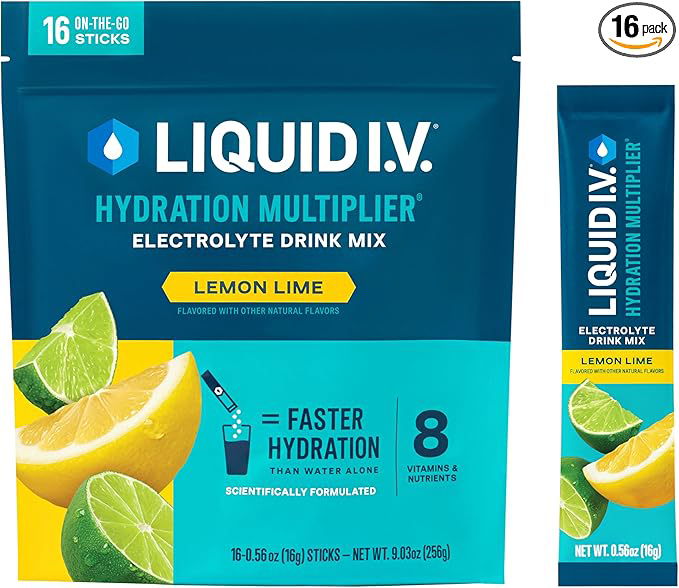
You do not need sports drinks loaded with sugar. Instead, add a pinch of high-quality sea salt to your water, eat potassium-rich foods like bananas and spinach, and include magnesium sources like almonds or dark leafy greens. If you exercise for more than 60 minutes, consider a clean electrolyte powder with minimal added ingredients.
A simple fix: A squeeze of lemon or lime in your water not only adds flavor but also provides a small amount of potassium and vitamin C.
The Fourth Common Error: Drinking Water at the Wrong Times
Timing matters. Drinking a large glass of water right before a meal can dilute stomach acid and digestive enzymes, potentially impairing digestion. While it can help with portion control for some, it may leave you feeling bloated and uncomfortable. The better approach is to hydrate steadily through the morning and afternoon, with a moderate sip during meals, not a flood before.
Similarly, many people drink too much water right before bed, which disrupts sleep with frequent bathroom trips. Poor sleep is linked to higher cortisol levels and increased appetite, both of which work against weight loss.
Why the Right Hydration Helps You Lose Weight
Proper hydration supports weight loss through several mechanisms:
- Boosts metabolism: Drinking water temporarily increases the body's resting energy expenditure, especially if the water is cool—your body uses energy to warm it.
- Reduces appetite: People often mistake mild thirst for hunger. Drinking water before a meal can help you recognize true hunger cues.
- Improves exercise performance: Well-hydrated muscles contract more efficiently, allowing you to work harder and longer, which increases calorie burn.
- Supports fat metabolism: As noted, water is required for the breakdown of fat cells.
A Practical Daily Hydration Plan
Forget complicated calculations. Here is a realistic, easy-to-follow framework:
- Morning (upon waking): Drink 8–12 ounces of plain water. Your body has gone hours without fluid.
- Mid-morning to early afternoon: Sip water steadily. Aim for one bottle (16–20 oz) between breakfast and lunch.
- Afternoon: Another 16–20 ounces. If you feel tired, try water before reaching for caffeine.
- Pre-workout (30 minutes before): Drink 8–12 ounces. If you sweat heavily, add electrolytes.
- Dinner and evening: Moderate sips. Stop drinking fluids about 90 minutes before bed to minimize nighttime disruptions.
A final note: If your urine is pale yellow, you are generally well-hydrated. Dark yellow is a sign you need more fluids. Clear urine can indicate over-hydration, which also has downsides. Aim for that pale straw color as your guide.
Correcting this single hydration error—drinking too little, too late, without regard for electrolytes or timing—can unlock progress you may have been missing. It is not a magic bullet, but it is a foundational piece that makes everything else easier. Your body will thank you, and the scale may finally start moving in the right direction.