Portion control sounds simple in theory—eat less, manage your weight—but in practice, it's where many healthy eating plans go off track. Even when you choose nutritious foods, serving sizes that are too large can quietly undermine your efforts. The good news is that the most common portion control mistakes are fixable, and experts have identified exactly where people tend to slip up.
Below are the three most frequent portion control errors, backed by nutrition science, along with practical, research-supported strategies to correct them. No complicated measuring required—just a few mindset shifts and simple tools you can use at every meal.
Error #1: Relying on visual estimates without a reference point
Most people try to eyeball portion sizes, but without a consistent benchmark, the brain tends to underestimate how much food is actually on the plate. Studies have shown that even trained nutrition professionals can misjudge portion sizes by 20–50% when relying solely on sight. The fix isn't to carry a food scale everywhere—it's to use what researchers call “portion size anchors.”
Use your hand as a built-in guide
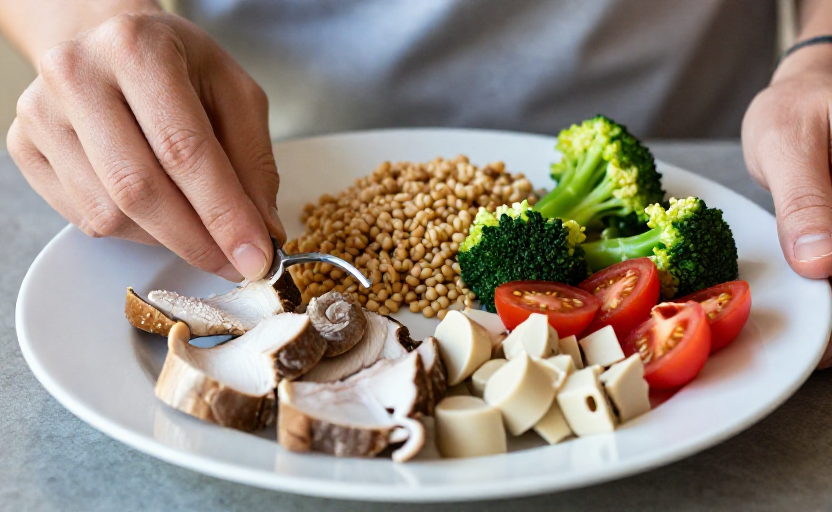
Your hand is always with you and roughly proportional to your body size. A simple rule of thumb works well: a serving of protein (chicken, fish, tofu) should be about the size and thickness of your palm. A serving of carbohydrates (rice, pasta, potatoes) fits in a cupped hand. Vegetables get two fist-sized portions, and fats like nut butter or oil should be limited to the size of your thumb tip. This method has been validated in multiple nutrition studies as a reliable way to keep portions in check without tools.
Pre-portion snacks before eating
Eating directly from a large bag or box is a classic portion trap. Instead, take a single serving out of the package and put the rest away. Research shows that people consume up to 60% more when eating from a larger container versus a smaller one, even when they're not hungry. The simple act of pre-plating or pre-bagging snacks removes the temptation to keep reaching for more.
Error #2: Ignoring the “portion distortion” of restaurant and packaged foods
Over the past few decades, standard portion sizes in restaurants and packaged foods have increased dramatically. A bagel today is often double the size it was in the 1980s. A single restaurant entrée can contain two to three times the calories a person needs in one meal. This phenomenon is called portion distortion, and it subtly trains your brain to see oversized servings as normal.
Apply the “half-plate” rule when eating out
When dining out, ask for a to-go box at the start of the meal and immediately put half of the entrée aside. This alone can cut your calorie intake by several hundred calories without making you feel deprived. Alternatively, order an appetizer-sized portion instead of a full entrée, or split a main dish with someone else. Studies indicate that people who use this strategy consume fewer calories overall and still report feeling satisfied.
Read nutrition labels for serving size, not just calories
Packaged foods often list serving sizes that are much smaller than what most people actually eat. A bag of chips might list 150 calories per serving, but the bag contains three servings. Always check the number of servings per container and the serving size in grams or pieces. This single habit can prevent hundreds of hidden calories from sneaking into your day.
Error #3: Letting plate size and visual cues override hunger signals
Environmental cues—like plate size, bowl shape, and even the color of your dish—can significantly influence how much you eat. The Delboeuf illusion, a well-documented visual phenomenon, shows that the same amount of food looks larger on a smaller plate and smaller on a larger plate. People using larger plates tend to serve themselves more and eat more, often without noticing.
Downsize your dinnerware
Switching from a 12-inch dinner plate to a 9- or 10-inch plate can naturally reduce portion sizes by 20–30% without triggering feelings of deprivation. In several controlled studies, participants consistently ate less when using smaller plates, yet reported the same levels of fullness and satisfaction. This is a passive strategy that works with your brain's visual processing, not against it.
Create contrast between food and plate
If you're eating pasta with a white sauce on a white plate, it's harder to see how much is there. Using plates that contrast with your food (e.g., dark-colored pasta on a light plate) makes portion sizes more visually obvious, helping you serve a more accurate amount. This simple tweak has been shown to reduce over-serving by about 15% in experimental settings.
A quick caveat: portion control is about managing serving sizes, not restricting yourself. The goal is to eat enough to feel satisfied while avoiding excess. Listen to your body's hunger and fullness cues, and adjust portions based on your activity level and individual needs. These strategies are tools to help you align your environment with your intentions.
Getting portion control right doesn't mean measuring every gram or obsessing over calories. By fixing these three common errors—relying on vague estimates, ignoring portion distortion, and letting visual cues override your appetite—you can build a more intuitive, sustainable approach to eating that supports your health goals without constant effort.