If you've ever found yourself rummaging through the pantry for something sweet an hour after dinner, or hit a 3 p.m. wall that only a candy bar can fix, you're not alone. Many people blame their willpower for sugar cravings. But often, the real culprit isn't what you ate—it's when you ate it. Two specific meal timing habits can send your blood sugar on a roller coaster, making cravings almost impossible to resist. Here's what they are and how to correct them by tonight.
Mistake #1: Leaving Too Long a Gap Between Meals
When you go more than five or six hours without eating, your body starts running on empty. Low blood sugar triggers an urgent signal: need energy fast. And the fastest fuel your brain knows is sugar. That's why a skipped lunch or a very early dinner often leads to a desperate grab for cookies, granola bars, or a soda later in the evening.
This isn't a character flaw—it's biology. Your blood sugar dips, you feel shaky, tired, or irritable, and your body releases stress hormones like cortisol to bring levels back up. Those hormones also amplify hunger and make sugary foods even more appealing.
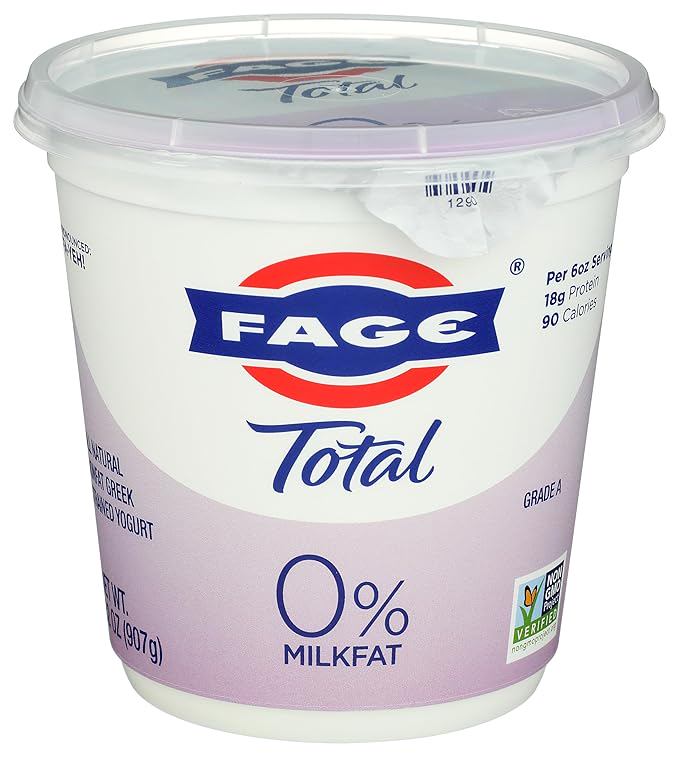
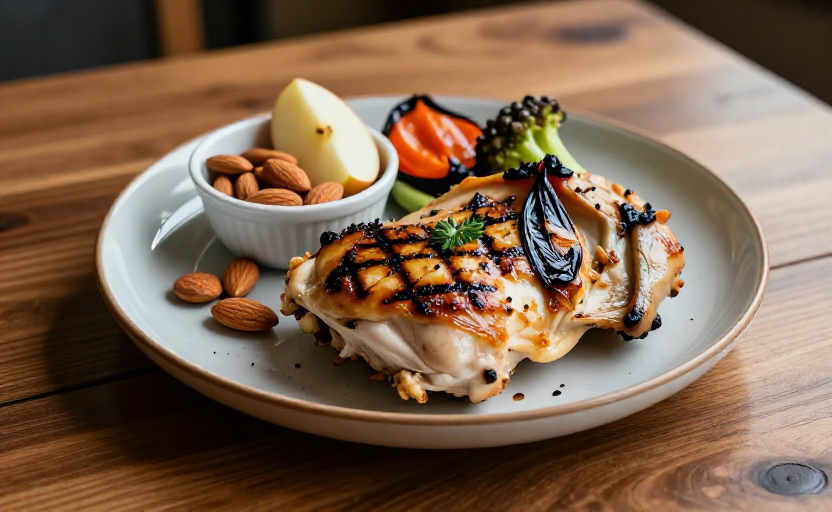
Fix it tonight: If your dinner is at 6 p.m. and you stay up until 11 p.m., add a small, balanced snack around 8:30 or 9 p.m. Aim for something that combines protein, fiber, and a little healthy fat—like an apple with a tablespoon of peanut butter, a handful of almonds, or a small bowl of Greek yogurt. This prevents that late-evening blood sugar dip without adding a heavy meal.
Mistake #2: Eating a Carb-Heavy Dinner Without Protein or Fat
A meal of pasta with marinara and a side of bread, or a big bowl of rice and vegetables, might feel satisfying while you're eating. But because it's high in carbohydrates and low in protein and fat, it gets digested quickly. Blood sugar spikes soon after you eat, then drops sharply a couple hours later. That drop is a direct invitation to sugar cravings.
A protein- and fat-rich meal, on the other hand, slows digestion, keeps blood sugar steady, and keeps you feeling full longer. You're far less likely to reach for dessert if your dinner actually holds you.
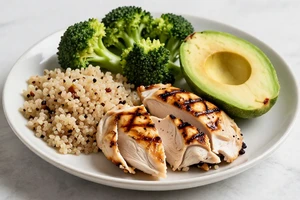
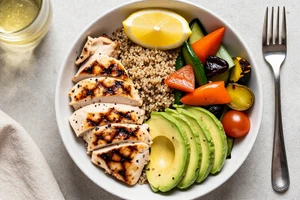
Fix it tonight: Look at your dinner plate. Is the carb the star? Swap or add a portion of lean protein—chicken, fish, tofu, beans—and include a source of fat like avocado, olive oil, or nuts. Even a side of sautéed vegetables cooked in a little oil can make a meaningful difference. The goal isn't to avoid carbs—it's to pair them with nutrients that slow down their release.
A simple rule: If your dinner is high in carbs, make sure it also includes a palm-sized portion of protein and a thumb-sized portion of healthy fat.
Why This Matters Beyond Cravings
Dinner timing matters for sleep and next-day cravings too. Eating too close to bed can disrupt sleep, which raises ghrelin (the hunger hormone) and lowers leptin (the fullness hormone). Poor sleep also makes you more likely to crave sugar the next day. Aim to finish your last meaningful meal at least two to three hours before you lie down, with the optional small snack we mentioned if needed.
Putting It Together: Your Tonight Plan
- Check your gaps: If dinner is early, plan a light snack about 2–3 hours later.
- Balance your plate: Ensure dinner contains protein, fat, and fiber alongside any carbs.
- Watch the clock: Allow 2–3 hours between your last meal and bedtime.
- Stay hydrated: Thirst can masquerade as hunger or cravings—have a glass of water before reaching for sweets.
These adjustments aren't complicated, but they target the root of many sugar cravings. You don't need to overhaul your entire diet tonight. Just fix these two timing habits, and you may notice that the post-dinner sweet tooth starts losing its power.