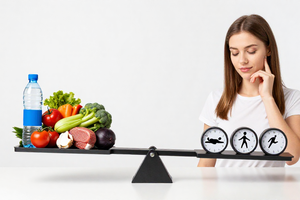
You’re eating well, moving your body, and focusing on your health, but that stubborn belly fat just won’t budge. It’s a common and frustrating experience. While we often scrutinize our plates, what’s in our glass can be just as crucial, especially when it comes to visceral fat—the deep abdominal fat linked to significant health risks.
Visceral fat isn’t just about aesthetics; it’s metabolically active tissue that surrounds your organs. Losing it is a key goal for improving metabolic health. The journey involves a combination of factors, and surprisingly, some everyday beverages can quietly work against your efforts. Let’s look at three common drinks that may be hindering your progress.
1. Sugar-Sweetened Sodas and Fruit Drinks
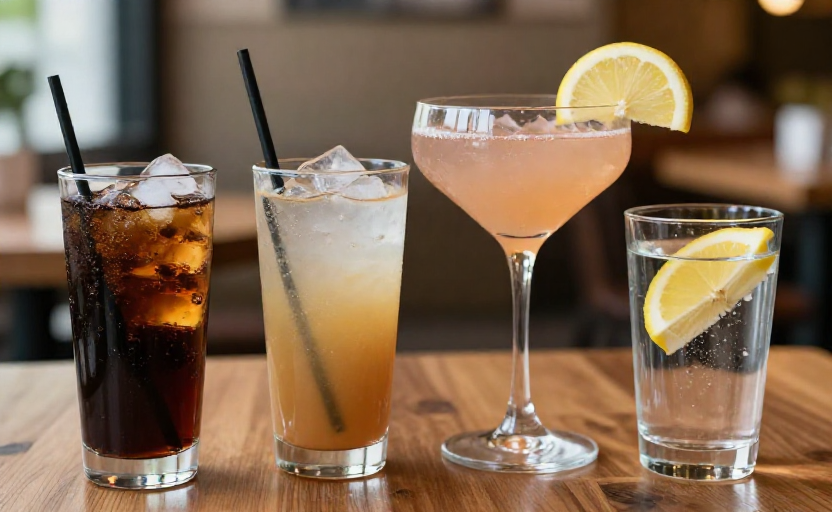
This one might seem obvious, but its impact is profound and worth understanding. A single can of soda can contain nearly 40 grams of added sugar, which is far above the recommended daily limit. This isn’t just about empty calories.
When you consume liquid sugar in this form, it’s rapidly absorbed, causing a sharp spike in blood sugar and insulin. Insulin is a fat-storage hormone, and consistently high levels can promote the accumulation of fat, particularly in the abdominal area. Research consistently links high intake of sugar-sweetened beverages with increased visceral fat.
Liquid calories from sugar don’t trigger the same feelings of fullness as solid food, making it easy to overconsume without realizing it.
This category extends beyond cola. It includes sweetened teas, lemonades, sports drinks, and many fruit punches or juice cocktails that are essentially sugar water with a dash of flavor. Even drinks marketed as “vitamin-enhanced” or “natural” can be loaded with added sugars.
2. Artificially Sweetened “Diet” Drinks
Switching to diet soda feels like a logical solution, but the science is nuanced and suggests it may not be the helpful swap we hope for when targeting visceral fat. While these drinks save you the immediate sugar calories, they can influence your body and habits in other ways.
The intense sweetness of artificial sweeteners may condition your palate to expect highly sweet foods, potentially increasing cravings for other sweet or calorie-dense snacks. Some studies suggest these sweeteners might disrupt the gut microbiome, which plays a role in metabolism and weight regulation.
There’s also a psychological effect known as “compensation.” Some people may unconsciously eat more later because they feel they “saved” calories with their diet drink, negating any benefit. The long-term impact on visceral fat loss remains a topic of ongoing research, but for many, these beverages don’t appear to be a neutral or helpful tool.
3. Excessive Alcohol, Especially Sugary Mixers
Alcohol itself is calorie-dense, providing about 7 calories per gram, and your body prioritizes metabolizing it over other fuels. This can pause the burning of other fats. But the bigger issue for visceral fat often lies in the type and quantity of alcohol consumed.
Beer, sweet wines, and cocktails mixed with soda, juice, or syrups deliver a double hit: alcohol calories plus a significant dose of sugar. This combination can be particularly effective at promoting fat storage in the abdomen, a phenomenon sometimes colloquially called a “beer belly,” though it applies to all sugary alcoholic drinks.
Moderation is key. The definition of “excessive” can vary, but consistently having several drinks in an evening can stall fat-loss efforts.
Alcohol can also lower inhibitions, making it easier to reach for less-healthy food choices, and it can disrupt sleep quality. Poor sleep is independently linked to higher levels of hunger hormones and increased abdominal fat.
What to Drink Instead
Shifting away from these beverages doesn’t mean a life of bland drinks. The goal is to build habits that support your metabolism and hydration.
Water is, unsurprisingly, the gold standard. If plain water feels boring, try infusing it with slices of citrus, cucumber, mint, or berries. Herbal teas, served hot or iced, offer flavor without calories or sweeteners. For a fizzy alternative, plain sparkling water or seltzer can satisfy the craving for carbonation.
If you enjoy coffee or tea, drinking them without added sugar and with minimal milk or a modest splash of cream is a fine choice. The focus is on being mindful of what you’re adding to them.
Losing visceral fat is a marathon, not a sprint, and every element of your lifestyle plays a part. By taking a closer look at your beverage habits and making a few mindful swaps, you can remove a common, silent obstacle on your path to better metabolic health. Paying attention to what you drink is a powerful, simple step that works in tandem with nutritious food and regular activity to help you reach your goals.