
Skin texture and pore appearance are common concerns, yet they are often misunderstood. Pores are not doors that open and close; they are tiny openings in the skin that do not have muscles. What you perceive as a change in their size is usually a change in their visibility due to factors like oil buildup, cell turnover, and collagen health.
This guide separates fact from fiction and offers practical, gentle strategies for minimizing the appearance of pores and creating smoother skin texture.
What actually affects pore visibility?
Pores become more noticeable when they are clogged with excess sebum and dead skin cells, which stretches the opening. As we age, collagen production slows, causing the skin to lose elasticity. Just as a tent sags when the poles weaken, the skin around each pore loses its supportive structure, making the pore look larger. Sun damage also thickens the outer layer of skin, making the pore rim appear more pronounced.
Genetics play the largest role overall, but daily habits—like cleansing, sun protection, and hydration—can significantly improve how pores look.
The role of natural ingredients in skin texture
Hibiscus for gentle exfoliation
Hibiscus is naturally rich in alpha-hydroxy acids (AHAs), which help dissolve the glue that holds dead skin cells together. This provides a gentle chemical exfoliation that can smooth rough patches and allow light to reflect evenly off the skin. Many skincare enthusiasts refer to hibiscus as “nature’s Botox” because of its temporary firming effect, though the results are far more subtle and cumulative than any cosmetic procedure.
Amla for antioxidant support
Amla, or Indian gooseberry, is exceptionally high in vitamin C. In the context of skin texture, vitamin C is not just about brightening dark spots—it plays a direct role in supporting collagen synthesis. Stronger collagen fibers mean the skin around each pore is firmer, which can make pores appear smaller and the overall texture smoother.
Building a pore-refining skincare routine
Consistency matters far more than intensity. A gentle approach will improve texture without compromising the skin barrier.
- Cleanse thoroughly but gently. Use a non-stripping cleanser to remove excess oil without drying out the skin. Over-cleansing can trigger more oil production.
- Exfoliate with care. Chemical exfoliants (like the AHAs found in hibiscus or a lactic acid serum) are generally safer for texture than harsh physical scrubs, which can cause micro-tears.
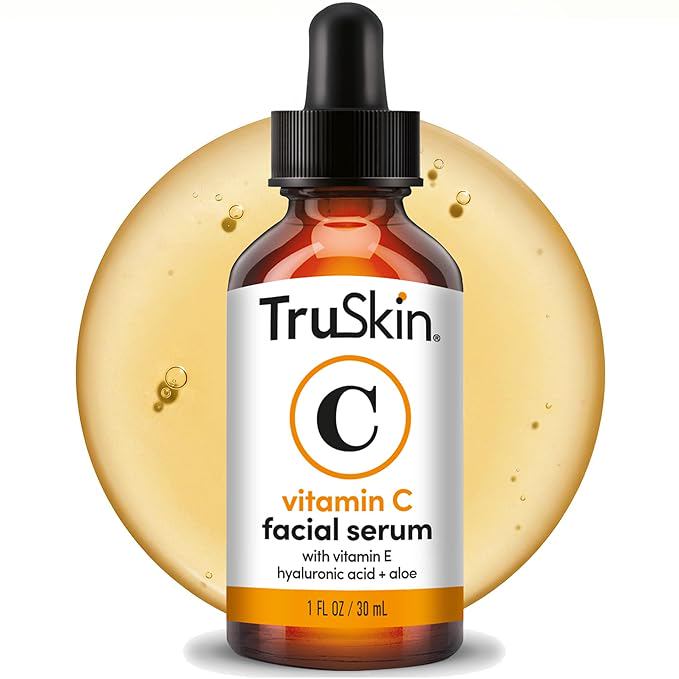
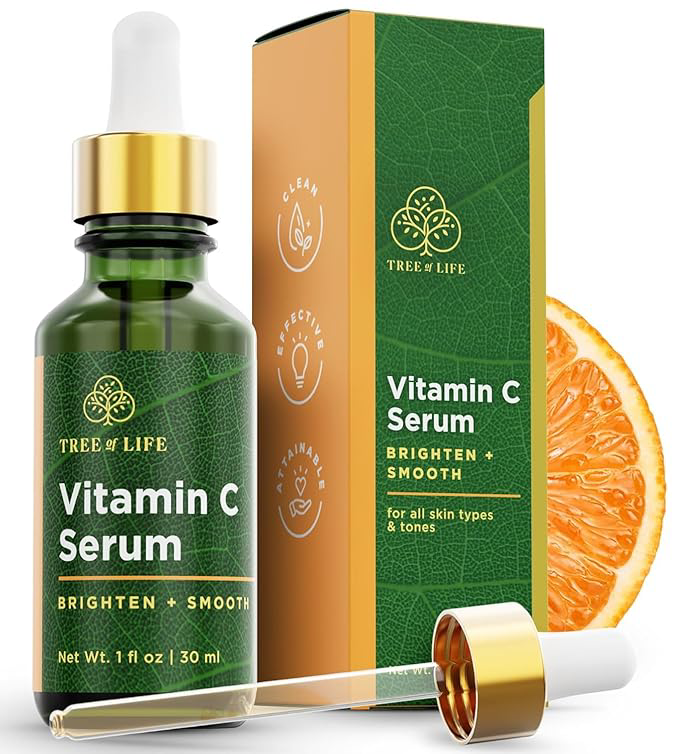
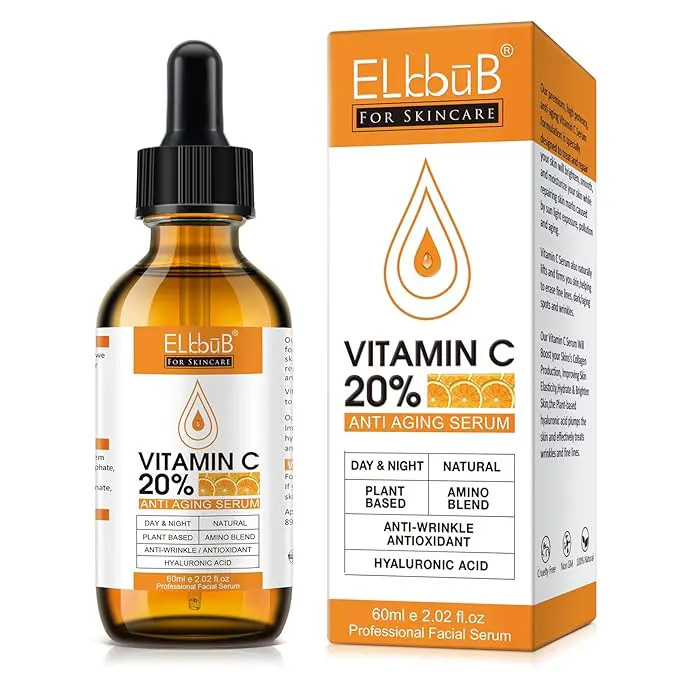
- Incorporate antioxidants daily. Vitamin C in the morning protects against environmental damage that breaks down collagen.
- Always wear sunscreen. UV rays degrade collagen more than any other factor, making pores appear larger over time.
Note: If you want to try a homemade approach, a hibiscus and amla mask can be used once a week. Hibiscus provides AHA exfoliation, while amla adds antioxidant support. Honey acts as a humectant to keep the mixture from drying out the skin.
How to use a hibiscus and amla face mask
If you prefer a DIY route, here is a straightforward method to create a mask that works with your skin's natural chemistry:
- Prepare your ingredients. You will need either one fresh hibiscus flower or two teaspoons of pure hibiscus powder, two tablespoons of amla powder (or one small fresh amla fruit), and one teaspoon of raw honey.
- Create the base. If using a fresh hibiscus flower, soak it in water overnight and grind it into a paste the next day. If using fresh amla, blend it into a smooth paste. If using powders, you can mix them directly.
- Mix the mask. Combine the hibiscus and amla with the honey. Honey helps bind the ingredients and provides moisture.
- Prepare your skin. Steam your face gently for a few minutes. This softens the outer layer of skin and allows exfoliating ingredients to work more effectively.
- Apply and wait. Spread the mask evenly and leave it on for about 20 minutes. Rinse with plain water. Do not use a harsh cleanser immediately afterward.
Common questions about pores
Can pores actually open and close? No. Heat and steam can soften impactions, making it easier to clean them out. Cold can temporarily constrict blood vessels, which may make pores look smaller for a short time, but the size of the pore opening itself does not change.
Will exfoliating every day help? Over-exfoliation damages the skin barrier, leading to inflammation and often making pores look larger due to redness and flaking. Stick to a schedule appropriate for your skin type.
Is there a way to permanently shrink pores? Pores have no muscles, so they cannot shrink permanently. However, treatments that stimulate collagen (like retinoids or certain professional procedures) can improve the firmness of the skin around pores, making them less visible over the long term.