
Counting macros has become one of the most popular strategies for people who want to lose body fat without resorting to extreme diets. Unlike old-school calorie counting, tracking macronutrients—protein, carbohydrates, and fat—gives you a more nuanced picture of what you're actually eating. The goal isn't to starve yourself; it's to eat in a way that keeps you full, fueled, and on track over the long haul.
Whether you're coming from a place of wanting to drop a few pounds or you're looking to overhaul your entire relationship with food, a macro-based approach can be adapted to your lifestyle. Here's how to start, what to watch for, and how to make it last.
Understanding the Three Macronutrients
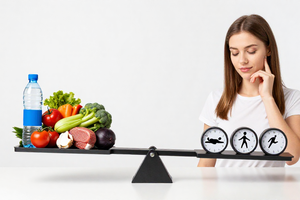
Every macro plays a distinct role in your body, especially when you're in a fat-loss phase. Protein helps preserve lean muscle mass, which is critical because muscle burns more calories at rest than fat does. Carbohydrates provide energy for workouts and daily activities, and dietary fat supports hormone function and nutrient absorption.
When you cut calories too aggressively or eliminate entire food groups, you often lose muscle along with fat. That's why a balanced macro split—not a crash diet—is the foundation of sustainable fat loss.
Setting Your Starting Point
Before you download an app or start weighing portions, you need a rough idea of how many calories you burn in a day. Your total daily energy expenditure (TDEE) is the sum of your resting metabolic rate plus the energy you use for movement and digestion. Online calculators can give you a ballpark number, but the real test is how your body responds over two to three weeks.
For fat loss, a moderate calorie deficit—typically 10 to 20 percent below your maintenance level—is usually enough to see steady progress without triggering hunger crashes or metabolic slowdown. From there, you can allocate your calories into grams of protein, carbs, and fat. A common starting split for fat loss is around 40 percent carbohydrates, 30 percent protein, and 30 percent fat, but these ratios can be adjusted based on how you feel and perform.
Protein: The Non-Negotiable
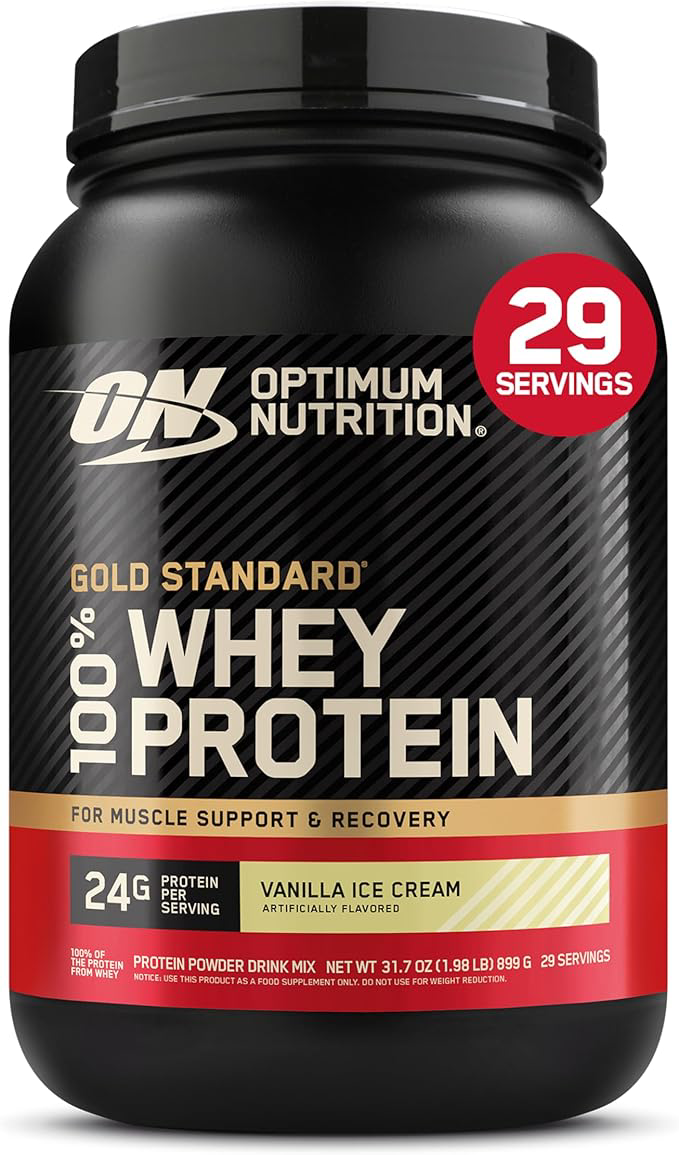
Most people who are active and trying to lose fat do well with 0.7 to 1.0 grams of protein per pound of body weight. This might feel like a lot at first, especially if you're used to lighter breakfasts or skipping lunch. Lean meats, eggs, Greek yogurt, tofu, and legumes are reliable sources. Spreading protein across three or four meals can also help with satiety and muscle repair.
Carbohydrates and Fat: Finding Your Sweet Spot
Once protein is set, the remaining calories get divided between carbs and fat. If you're doing high-intensity training or endurance work, you'll likely want more carbs. If you feel better with a lower-carb approach, that's fine too—just don't drop fat too low, because dietary fat is essential for absorbing fat-soluble vitamins and maintaining hormone balance. A minimum of 0.3 grams of fat per pound of body weight is a reasonable floor for most people.
Tools That Help, Not Hinder
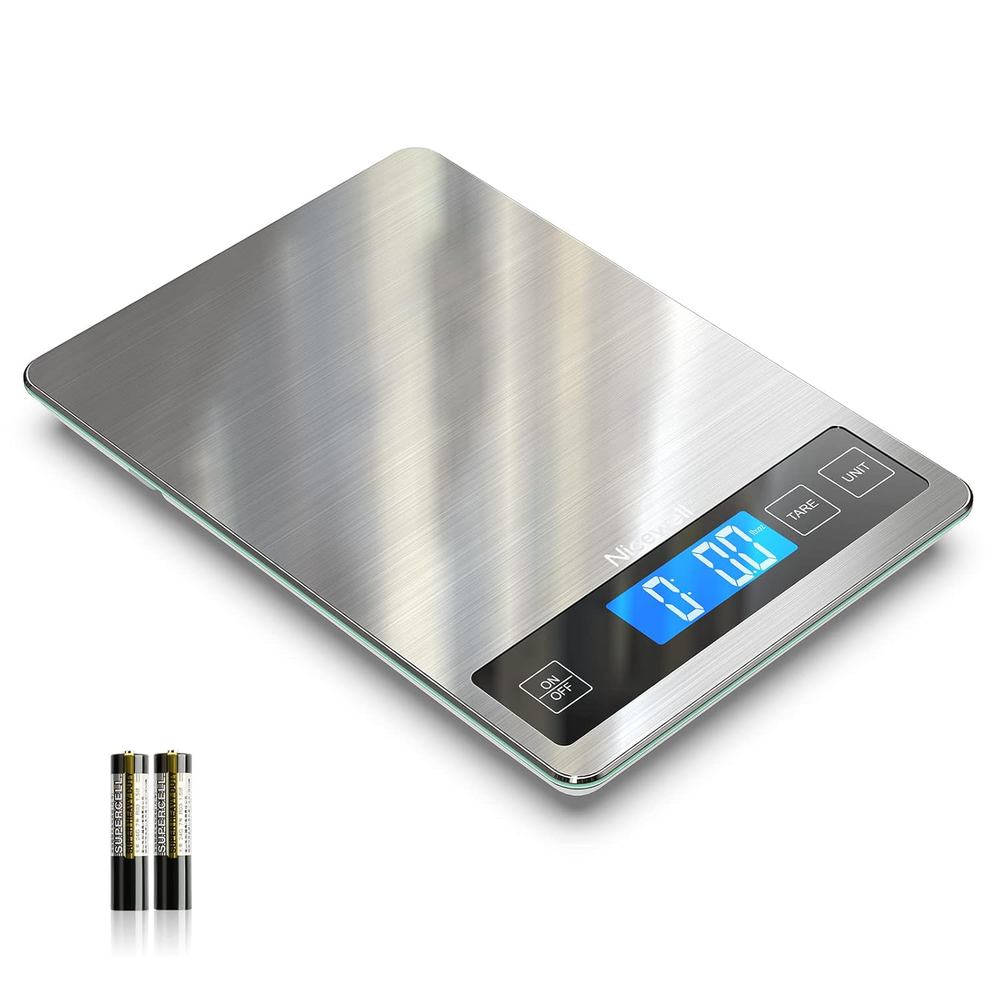
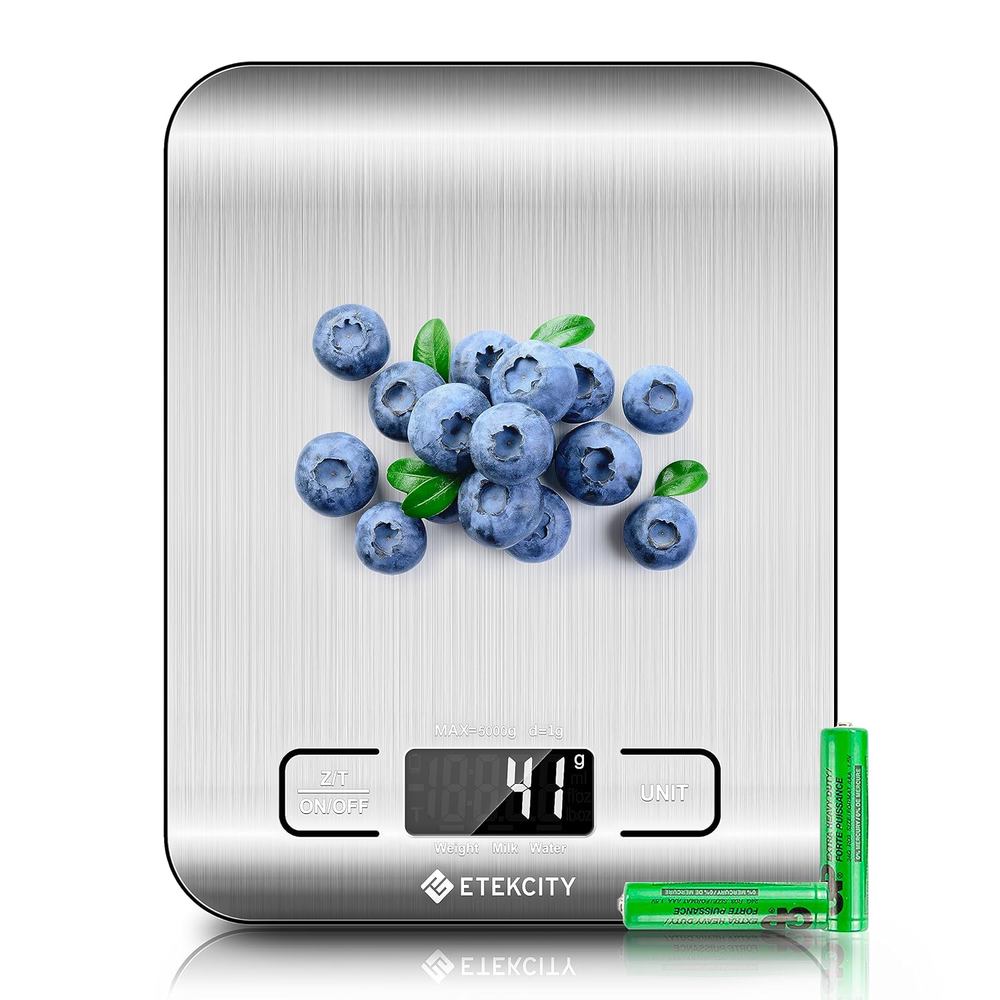
A food scale is the most accurate way to track macros, especially in the beginning. Eyeballing portions tends to drift over time, and that drift adds up. Most people overestimate serving sizes of calorie-dense foods like nuts, oils, and cheese. A scale solves that problem for about the price of a couple of takeout meals.
Tracking apps like MyFitnessPal, Cronometer, or MacrosFirst make logging faster. Use the barcode scanner and build a list of your frequent meals to save time. The goal is to make tracking feel routine, not obsessive. If you find yourself anxious every time you eat, take a step back and focus on consistency over perfection.
A simple rule of thumb: Aim to hit your protein goal each day, get within 10 to 20 grams of your carb and fat targets, and don't sweat a single high-calorie meal. Fat loss is a long game, not a single snapshot.
Common Pitfalls and How to Avoid Them
One of the biggest mistakes people make is undereating. It's counterintuitive, but eating too few calories can stall progress because your body adapts by lowering its metabolic rate. If you're constantly hungry, irritable, or not sleeping well, you're probably in too big a deficit. Add back 100 to 200 calories, often from carbs or fat, and see if progress resumes.
Another trap is relying too heavily on “diet” foods or processed snacks that fit your macros but offer little nutritional value. A protein bar might fit the numbers, but it won't give you the fiber, vitamins, and phytonutrients that whole foods provide. Think of your macro targets as a framework and whole foods as the building blocks.
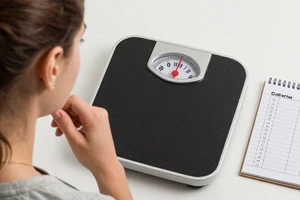
Finally, don't ignore how your body feels. Fat loss is not just about the scale. Energy levels, workout performance, sleep quality, and digestion are all signals that tell you whether your current macro split is working for you or against you.
Making It Sustainable Long-Term
The word "sustainable" gets thrown around a lot, but here it means something specific: you can follow this approach for months or years without burning out. That means including foods you enjoy, allowing flexibility on weekends or special occasions, and adjusting your macros as your weight changes.
As you lose weight, your TDEE will gradually decrease. Recalculate your macros every 10 to 15 pounds lost, or every few months, to keep the deficit appropriate. If you stop losing weight for two to three weeks and you're being consistent with tracking, it's time to re-evaluate.
Some people benefit from periodic diet breaks—eating at maintenance calories for a week or two—to reset hunger hormones and give the metabolism a breather. This isn't a sign of failure; it's a strategic tool that can actually improve long-term adherence and results.
When to Let Go of Strict Tracking
There comes a point where you no longer need to weigh and log every bite. Once you have a solid sense of portion sizes and how different meals affect your energy and satiety, you can transition to a more intuitive approach. You might track a few days per week to stay accountable, or cycle in periods of tracking whenever you feel you've drifted off course.
Macro tracking is a means to an end, not a lifelong sentence. The real goal is to build enough knowledge and awareness that you can maintain your results without an app. That's the definition of sustainable fat loss.
If you're ready to give macro tracking a try, start with a simple commitment: track everything you eat for one week, without changing your diet at all. That first week is about awareness, not restriction. Then adjust one variable—usually protein or total calories—and see how your body responds. Small, consistent changes are what add up to big results over time.