
Most weight-loss advice focuses on what you eat, when you eat, and how much you eat. Calories, macros, portion sizes—these are the usual suspects. But there is another layer of data that is often overlooked, and it might be the missing piece in your puzzle: how you feel when you eat.
A mood-food log is exactly what it sounds like: a simple record of what you ate, alongside a brief note on your emotional state before, during, or after the meal. It takes an extra thirty seconds per entry, but the insights it provides can fundamentally shift how you approach your eating habits. For weight loss, it is not just about cutting calories—it is about understanding why you reach for certain foods at certain times.
Spot Your Emotional Eating Triggers
We all do it. A stressful meeting ends, and your hand finds the candy bowl. A quiet, lonely evening arrives, and suddenly a bag of chips sounds like comfort. If you have ever thought, "I wasn't even hungry, but I ate it anyway," you have experienced emotional eating.
By jotting down your mood—using simple tags like stressed, bored, tired, happy, or anxious—you start to see patterns. Maybe you notice that every time you feel overwhelmed at work, you crave something crunchy and salty. Or that late-night boredom reliably leads to a sugary snack. Once you see these patterns clearly on paper, they lose some of their power. You can no longer pretend the eating was accidental; instead, you see it for what it is: a habit tied to a feeling. That awareness is the first step toward making a deliberate choice instead of an automatic one.
Connect the Dots Between Food and Energy
Weight loss is about calorie balance, but your energy levels determine how active you feel and how often you get off the couch. A mood-food log does not just capture emotions like sadness or stress; it also tracks feelings like "energized," "sluggish," or "clear-headed."
Over a week or two, you will begin to notice cause-and-effect relationships. That heavy sandwich at lunch might reliably produce an afternoon energy crash, making you reach for a second coffee or a sugary pick-me-up that adds empty calories. The high-protein salad you had on Tuesday might have kept you feeling steady all afternoon. Those data points matter. You are not guessing anymore; you are building a personal map of how different foods affect your daily vitality. When you feel better, you move more. When you move more, the weight-loss equation balances in your favor.
Quick tip: Keep your log simple. Rate your mood before eating on a scale of 1–5, or use five emoji faces. The easier the system, the more likely you are to stick with it.
Break the Mindless Snacking Cycle
Mindless eating is a fast track to extra calories. You sit down with a show and a bag of pretzels, and before you know it, the bag is empty. You barely tasted a single one. A mood-food log forces a pause.
The simple act of reaching for your notebook or opening an app to log your meal—and your current mood—creates a small moment of awareness. In that moment, you ask yourself: "Am I actually hungry, or am I just eating because the bag is open?" Sometimes the answer is hunger, and that is fine. But often, the answer is something else: habit, boredom, or social pressure. That split-second of reflection can be enough to stop a 300-calorie snack you did not really want.
When to Log
You do not need to log every sip of water. Focus on meals and significant snacks. If a handful of almonds is paired with a clear sense of true hunger, that is worth noting. If a full chocolate bar appears alongside "stressed" and "rushed," that is also gold for your data set. Aim for consistent entries for about two weeks to start seeing real patterns.
Shift Your Relationship with Food Away from Guilt
Many people approach weight loss with a sense of shame. You eat a cookie, then feel guilty, then eat another cookie to soothe the guilt. That cycle is destructive. A mood-food log reframes the process. Instead of labeling foods as "good" or "bad," you simply observe your emotions alongside your choices.
When you see that you ate something because you were genuinely hungry and happy, there is joy in that entry. When you see that you ate something because you were lonely, there is understanding, not blame. The log becomes a neutral tool for self-discovery. Over time, this reduces the emotional charge around food, making it easier to make decisions based on your actual goals rather than impulse or guilt.
A Practical Example to Start Today
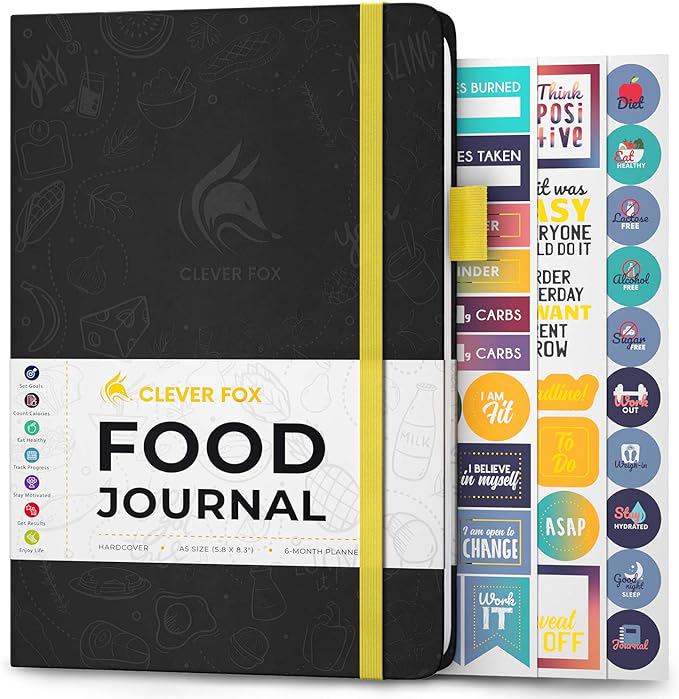
You do not need a fancy app or a special journal. A plain notebook works fine. Create three columns: Time, Mood (before), and Food/Drink. Optionally add a fourth column for Hunger Level (1–10).
- Time: 10:30 a.m.
- Mood before: Irritable, rushed
- Food: Coffee with cream + one donut
- Hunger level: 3 (not really hungry)
That simple entry tells a story: you were stressed, not hungry, and you reached for sugar and caffeine. Three entries like this in one week reveal a clear trigger. The solution might not be to remove the donut entirely, but to first ask yourself, "Would a short walk and a glass of water do the same thing for this feeling?"
Weight loss is rarely about one dramatic change. It is about dozens of small, informed adjustments. A mood-food log gives you the raw data to make those adjustments with confidence, turning guesswork into a clear path forward.