You've done the Sunday prep. The containers are stacked, the fridge is organized, and you feel ahead of the game. But when lunch rolls around, you're hungry again by three o'clock—or you're staring at a bowl that leaves you stuffed and sluggish. The missing piece is often portioning, not just for calories but for lasting fullness.
Portioning for satiety is different from portioning for weight loss alone. The goal is to build a plate that digests at a steady pace and keeps your energy even until the next meal. Here's a practical way to think about it, no micro-measuring required.
Why Some Portions Leave You Hungry
A heap of plain rice and chicken breast is a hunger setup. It digests fast, spikes blood sugar modestly, and then drops. The body reads that drop as empty. Lasting fullness comes from slowing digestion and keeping blood sugar relatively flat. That means packing every meal container with a deliberate ratio of three elements: protein, produce, and a fat-plus-fiber anchor.
Many meal-prep guides focus on protein and carbs, but the real staying power comes from volume and viscosity—lots of watery vegetables and a little fat or fiber to stick around. Without those, you're basically preparing hunger.
The Visual Guide to a Fullness-First Plate
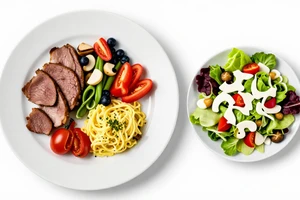
Skip the scale for everyday prep. Use your container as the measuring tool. A standard one-quart (four-cup) container works for most adult lunches or dinners. The breakdown:
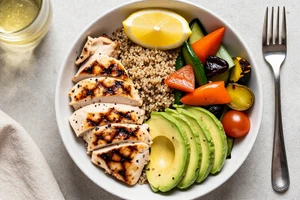
- Half the container: non-starchy vegetables. Think roasted broccoli, bell peppers, zucchini, leafy greens, cauliflower. This is your volume—it fills the stomach with water and fiber for very few calories. Don't skimp here; this is what makes a portion feel generous.
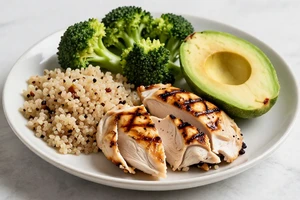
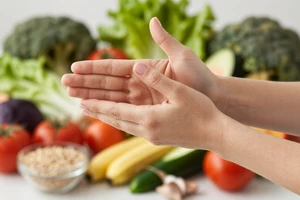
- One quarter: lean protein. Chicken breast, turkey, firm tofu, white fish, or egg whites. Aim for a piece about the size and thickness of your palm. Protein sends the strongest fullness signal to the brain (the ileal brake).
- One quarter: complex starch or legumes. Farro, quinoa, brown rice, lentils, chickpeas, or sweet potato. These bring staying power but you want them as a supporting actor, not the star. A half-cup cooked is usually the sweet spot for lasting energy without a crash.
On top of this, add a fat source—even a small one—because fat triggers a separate satiety hormone. Drizzle a tablespoon of olive oil, toss in a quarter of an avocado, or sprinkle seeds. Without fat, even a perfect ratio can leave you hungry two hours later.
Tweak for activity level: If you have a physically demanding job or a long workout session, bump the starch quarter up by a few tablespoons and reduce the vegetables slightly. The protein quarter stays the same.
The One-Container Rule and Its Exception
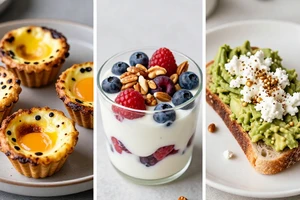
The half-veg quarter-protein quarter-starch rule works for most main meals. But breakfast prep is different. A breakfast bowl that follows the same visual rule—scrambled eggs (protein), sautéed spinach and peppers (veggies), and a small portion of roasted potatoes or oatmeal (starch)—will keep you full far longer than a smoothie or a single muffin. If you prep breakfast, use a smaller container (two cups) and keep the same ratio by volume. Eggs and vegetables fill the half, with a modest starch portion on the side.
How Fiber and Fat Work Together
You can eat a perfect ratio and still crash if the fiber and fat are missing. Here is what each does in practical terms:
- Soluble fiber (found in oats, beans, apples, barley) forms a gel in your gut that slows the movement of food. This delays the release of sugars into the bloodstream. A meal with soluble fiber keeps you from feeling hungry again within two hours.
- Fat activates the release of cholecystokinin (CCK), a hormone that tells your brain you are done eating. A fat-free meal may satisfy you for a short while but rarely lasts through a long afternoon.
So when you pack that lunch box, check: do you have a fat source? Did you include any soluble fiber (beans, oats, or a piece of fruit on the side)? If not, add one before sealing the lid.
Practical Steps for Prep Day
Here is a simple workflow that prevents the common pitfall of cooking everything first and portioning second—which inevitably leads to too much starch and too few vegetables.
- Cook the vegetables first. Roast a large sheet pan of broccoli, cauliflower, and bell peppers. Set them aside. This makes it easy to fill half the box without thinking.
- Cook the protein. While the vegetables roast, grill or bake your chicken, fish, or tofu. Slice before storing so you can see the portion.
- Cook the starch in a separate pot. Start with less than you think you need. Quinoa and rice expand. A dry half-cup yields about one and a half cups cooked—enough for three portions.
- Assemble the containers while everything is still warm. Use the half-veg, quarter-protein, quarter-starch template. Add fat at the end: a drizzle of tahini, a few slices of avocado, a sprinkle of pumpkin seeds.
Shortcut: If you only have 30 minutes, skip the complex starch. Double the vegetables and use a can of rinsed chickpeas or lentils as your starch-plus-protein combo. Add a tablespoon of olive oil. It still follows the ratio and preps just as fast.
What to Do When You Are Still Hungry
If you follow the ratio and still feel hungry an hour or two later, the issue is often hydration or boredom, not missing macros. Water stored in the vegetables helps, but a full water bottle alongside the meal matters. Drinking water stretches the stomach and adds volume without calories. Another factor is meal timing: if your breakfast was small or skipped, lunch digestion speeds up. Finally, variety matters—a single container with one texture tastes familiar fast. Add a crunchy element (raw carrots, cucumber) or a fermented element (kimchi, pickled onions) to keep your senses engaged.
Portioning for fullness is not about shrinking portions—it is about designing them. When you prep with the half-veg template, a fat source, and a check for soluble fiber, you end up with a container that feels generous, digests slowly, and actually carries you to the next meal. Adjust the ratios for your own body and activity level, but keep the core principle: volume from vegetables, staying power from protein and fiber, and a little fat to seal the deal.