Losing weight often feels like a battle against the grocery store aisles. Ultra-processed foods are engineered to be irresistible, and they dominate our pantries. But here's the practical truth: you don't need to overhaul your entire kitchen overnight or subsist on plain chicken and broccoli. Small, strategic swaps—replacing one processed staple with a minimally processed alternative—can quietly accelerate your results without making you feel deprived.
These aren't about eating “perfectly.” They are about choosing foods that work with your body's natural satiety signals, blood sugar regulation, and energy metabolism. When you replace processed items with whole food alternatives, you naturally reduce calories, increase fiber and protein, and cut back on refined sugars and unhealthy fats. Here are seven targeted swaps that can make a tangible difference on the scale.
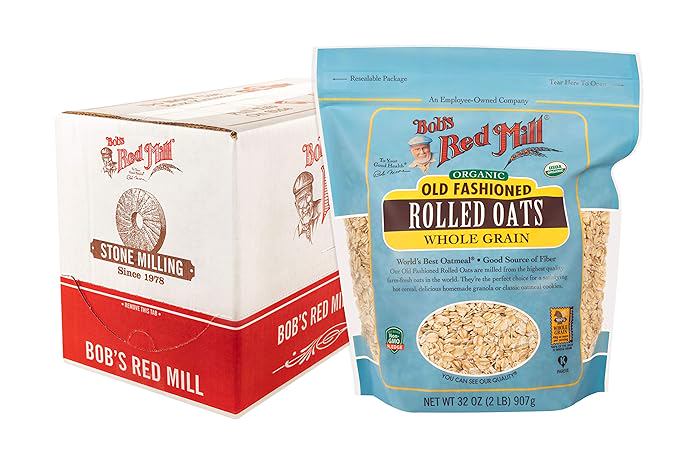
1. Swap Sugary Cereal for Old-Fashioned Oatmeal
Colorful boxed cereals are essentially desserts in disguise. They are low in protein and fiber but high in added sugars and refined carbohydrates, which spike your blood sugar and leave you hungry an hour later.
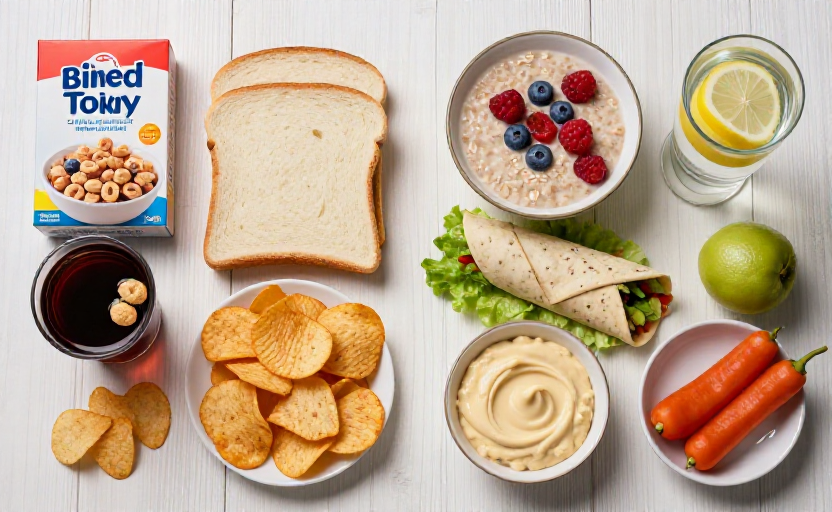
The swap: A bowl of old-fashioned oats (rolled or steel-cut). Top it with fresh berries, a tablespoon of nut butter, or a sprinkle of cinnamon. This simple switch adds about 5 grams of fiber and 6 grams of protein per serving, keeping your appetite in check well past lunchtime.
2. Replace White Bread with Whole Grain or Lettuce Wraps
A standard slice of commercial white bread is often made with enriched flour containing little nutritional value. For faster weight loss, reducing simple carbs at lunch is a high-leverage move.
The swap: Choose 100% whole grain bread with visible seeds and at least 3 grams of fiber per slice. Even better, skip the bread entirely and use large lettuce leaves (like romaine or butter lettuce) to wrap your sandwich fillings. You'll cut roughly 150–200 calories per meal and eliminate refined carbs that trigger cravings later in the day.
3. Trade Flavored Yogurt for Plain Greek Yogurt
Fruit-on-the-bottom and flavored yogurts are often packed with added sugar—sometimes as much as a candy bar. These fruit-flavored options send your insulin on a rollercoaster ride, which can hinder fat burning.
The swap: Plain, unsweetened Greek yogurt. It contains roughly double the protein of regular yogurt and zero added sugar. Sweeten it naturally with fresh fruit or a drop of vanilla extract. The higher protein content helps preserve lean muscle mass during weight loss, keeping your metabolism humming.
4. Skip the Soda and Diet Soda for Sparkling Water with Citrus
Liquid calories are one of the fastest ways to stall weight loss. Regular soda delivers empty sugar, while diet soda often contains artificial sweeteners that may disrupt gut bacteria and sugar cravings.
The swap: Plain sparkling water with a squeeze of lemon, lime, or a few muddled cucumber slices. Some people find adding a few fresh mint leaves or frozen berries makes the switch even easier. If you need a bit of flavor, choose unsweetened flavored seltzers. This swap saves 150–200 empty calories per can and rehydrates your body more effectively.
5. Swap Potato Chips for Air-Popped Popcorn or Vegetables with Hummus
Chips are engineered to be consumed by the handful—they combine refined carbs, unhealthy oils, and salt in a way that suppresses your body's fullness cues.
The swap: A bowl of air-popped popcorn (skip the microwave bags with artificial butter) gives you a satisfying crunchy volume with far fewer calories than chips. For an even more nutrient-dense alternative, use crunchy raw vegetables like carrot sticks, bell peppers, and cucumber with a serving of hummus. The fiber and water content in the veggies will fill you up for around 100–150 calories instead of the 300+ you'd get from chips.
6. Replace Store-Bought Salad Dressing with a Simple Vinaigrette
Salads seem healthy until you drown them in creamy, bottled dressings packed with added sugars, hydrogenated oils, and preservatives. A single serving of ranch or Caesar dressing can carry 150–200 calories and negligible nutrients.
The swap: Make a quick vinaigrette with extra-virgin olive oil, vinegar (balsamic, red wine, or apple cider), Dijon mustard, salt, and pepper. It takes 30 seconds. You control the quality of the oil (rich in anti-inflammatory fats) and avoid hidden sugars. This swap saves roughly 100–150 calories per serving while adding heart-healthy monounsaturated fats.
7. Ditch the Processed Protein Bar for Whole Food Alternatives
Many protein bars claim to be health foods but are essentially candy bars with added protein powder and artificial fibers. Some contain as much sugar and saturated fat as a chocolate bar, and their high processing may blunt your body's appetite signals.
The swap: A handful of raw almonds, a hard-boiled egg, or a small apple with peanut butter. These whole food options provide steady energy, healthy fats, and protein without the sugar crash. The fiber and protein combination naturally satisfies hunger for a fraction of the calories typically found in a processed bar.
A final word on the strategy behind the swaps. The goal isn't to eliminate every processed food from your diet—some canned beans, frozen vegetables, and even certain whole grain pastas can be perfectly healthy. Instead, focus on these specific, high-impact swaps that remove the most problematic items: foods high in refined sugar, unhealthy fats, and low in fiber. Each small change adds up. When you consistently replace one or two processed items daily, you're not just counting calories—you're reshaping your metabolism and cravings for the long term.