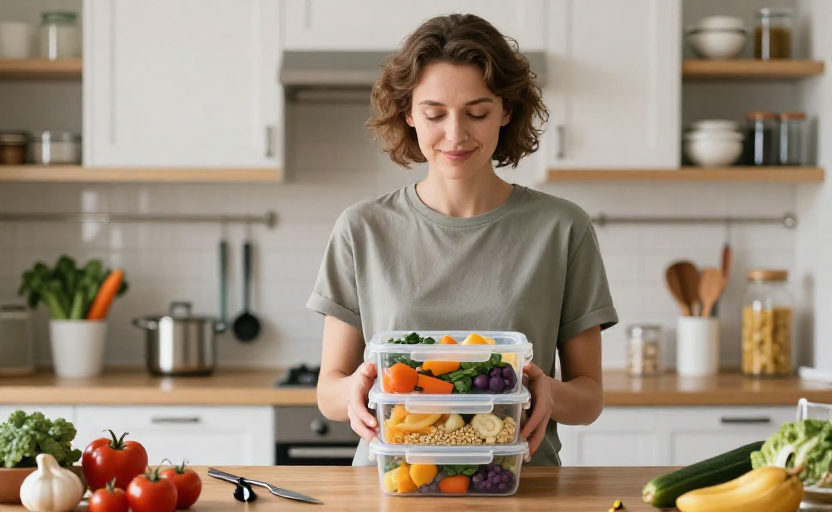
You spend a Sunday afternoon chopping, roasting, and portioning. By Tuesday, you're staring into the fridge at soggy vegetables and a container of chicken you no longer want. Something went wrong. It’s not your motivation. Often, the breakdowns are small habits that quietly undermine your planning. The good news is each habit has a fix that doesn't add work — it just shifts where your energy goes.
Habit 1: Cooking everything at once
Many prep guides recommend a single marathon session. The problem? By day three, textures dull, flavors blur, and the whole thing feels like reheated obligation. Instead, try staggered prep. Wash and chop vegetables on Sunday, but leave raw ingredients separate. Cook grains and proteins on Sunday, then quickly assemble or finish dishes the night before you eat them. This split approach keeps freshness and gives you the satisfaction of a small daily cooking task.
Habit 2: Ignoring texture loss
Reheated broccoli that smells like a damp basement. Soggy stir-fry. Meal prep disasters often come down to water. The fix is moisture management. Store wet ingredients (dressing, salsa, yogurt) in separate small containers. Line containers with a paper towel to absorb condensation. For leafy greens, place a dry paper towel on top and keep the lid slightly cracked. For crispy vegetables, blanch them quickly and dry thoroughly before storing.
Habit 3: Making too many different meals
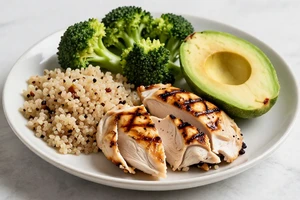
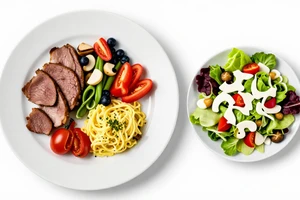
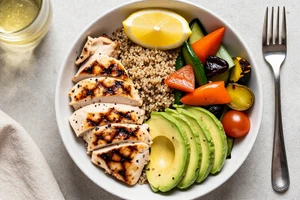
The Instagram prep photos show eight colorful containers each with a different dish. That works for a photo shoot. In real life, cooking four separate entrées multiplies your cleanup and leaves you with leftovers you don't want. A better strategy: batch-build from a single base. Cook one protein (chicken, tofu, lentils), one grain (quinoa, brown rice), one roast vegetable tray. Then combine them differently each day — a bowl with sauce, a wrap, a salad. You get variety without the overhead.
Habit 4: Overlooking your fridge layout
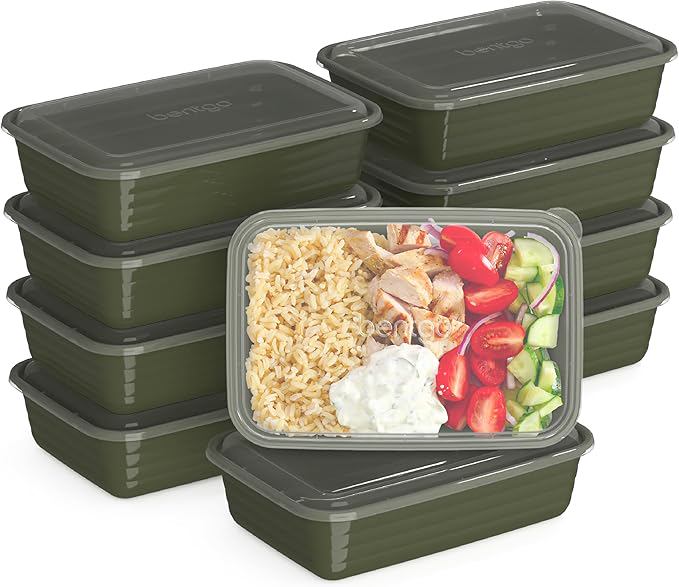
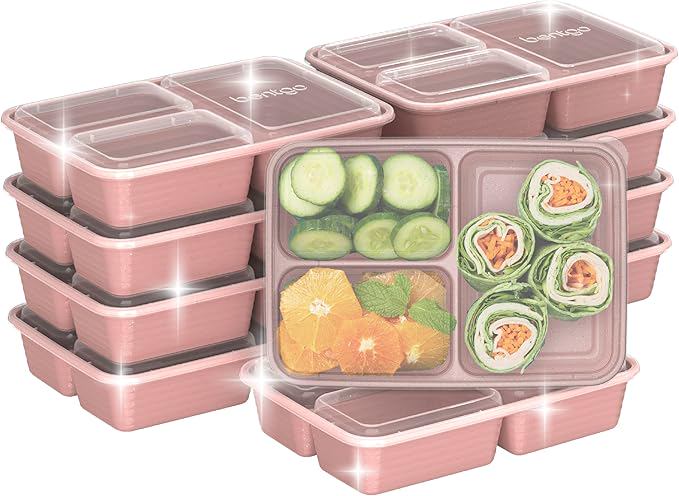
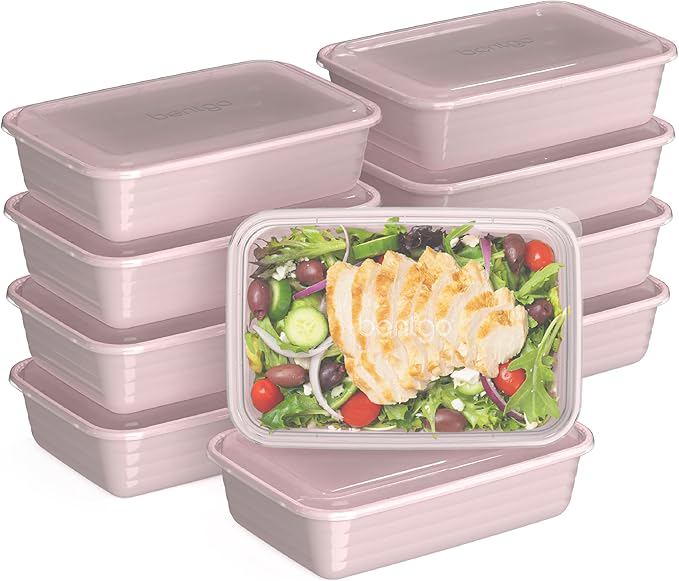
It doesn’t matter how well you prep if you can’t find the food. When containers get pushed to the back, they become science experiments. The fix: line-of-sight organization. Put the soonest-to-eat items at eye level on the middle shelf. Use clear containers. Label with a piece of masking tape and a marker — not just the date, but the meal. “Tuesday lunch” is clearer than “chicken thing.” Keep a small whiteboard on the fridge door listing what’s there and roughly when to eat it.
Habit 5: Prepping foods that don’t keep
Asparagus, avocado, and delicate fish are lovely on day one. By day three they’re sad. Learn your keeping times. Hearty vegetables (carrots, bell peppers, broccoli, cauliflower) last five days. Cooked grains and legumes hold four to five days. Hard-boiled eggs are good for one week. Prepped greens should be eaten within two days. Avocado should be added day-of. Build your menu around ingredients that still taste good on day four.
Habit 6: Underseasoning or using one flavor profile
Plain chicken and steamed rice taste like a hospital meal after two servings. The result: you order takeout. The fix: season strategically. Cook the base protein with salt only. Then on serving day, add a finishing sauce — a squeeze of lemon, a dash of hot sauce, sesame oil, soy sauce, or a spoonful of pesto. This way, Monday’s chicken can become Tuesday’s chicken with cilantro-lime dressing and Wednesday’s with jerk seasoning. One protein, three cuisines.
Habit 7: Prepping without a written plan
Wandering through the grocery store without a list leads to random purchases that never become meals. You waste time and money. The antidote: a three-step written plan. First, pick three dinners you’ll actually want. Second, list the exact ingredients. Third, prep only those ingredients. This sounds obvious, but most people skip the writing step. A 10-minute planning session before you shop saves an hour of midweek scrambling.
Meal prep doesn't have to mean sacrificing flavor, freshness, or your Saturday afternoon. Identify which of these habits is your biggest stumbling block, adjust one thing this week, and watch your refrigerator become a place of welcome, not dread.