Sticking to a calorie deficit doesn't mean you have to give up snacking. The key is choosing foods that offer volume, fiber, and protein without sneaking in excess calories. Here are seven mindful snack choices that can help you stay on track and feel satisfied between meals.
1. Fresh Vegetables with a Protein Dip
Crunchy, colorful vegetables like bell peppers, cucumber, carrot sticks, and snap peas are low in calories but high in water and fiber. Pair them with a simple protein-rich dip such as Greek yogurt mixed with herbs, hummus, or cottage cheese. The combination of fiber and protein helps slow digestion and keeps hunger at bay for longer.
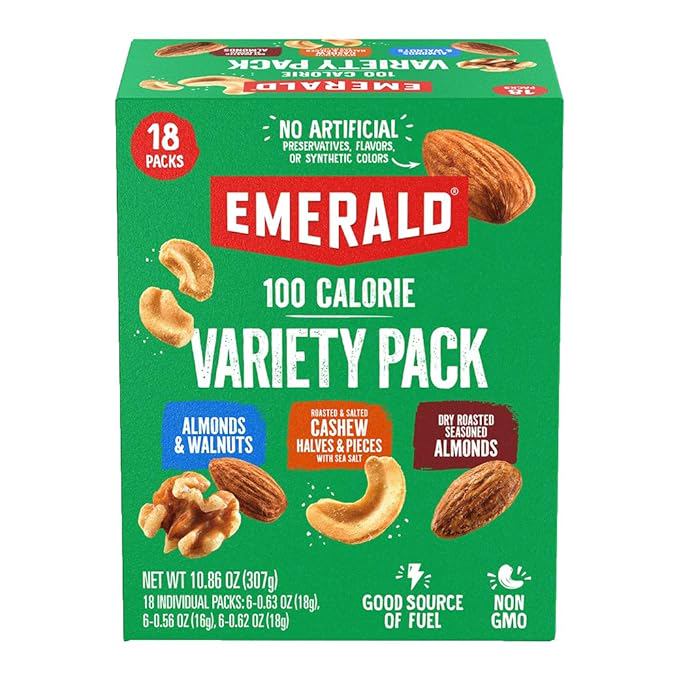
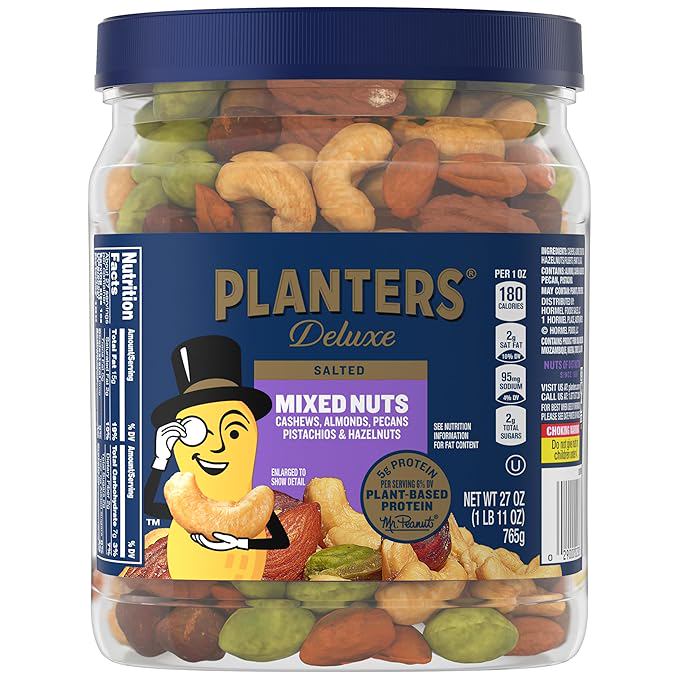
2. A Small Handful of Nuts
Nuts are calorie-dense, but they are also packed with healthy fats, protein, and fiber. The trick is portion control: stick to about one ounce (a small handful) of almonds, walnuts, or pistachios. Eating them slowly and mindfully can boost satiety and prevent overeating later in the day.
3. Whole-Fruit Smoothies (Without Added Sugar)
A smoothie made with whole fruit, a handful of spinach, unsweetened almond milk, and a scoop of protein powder can be a filling snack. Because you're consuming the whole fruit (including fiber), it's more satisfying than juice. Skip honey, agave, or sugary yogurts to keep the calorie count in check.
A well-made smoothie can feel like a treat while still supporting your calorie goals.
4. Hard-Boiled Eggs
Eggs are a nearly perfect snack for a calorie deficit. One large egg provides about 70 calories and 6 grams of protein. The protein content promotes fullness and helps preserve muscle mass when you're eating fewer calories. Keep a few boiled eggs in the fridge for a grab-and-go option.
5. Air-Popped Popcorn
Popcorn is a whole grain that delivers a lot of volume for relatively few calories—as long as it isn't drowned in butter or oil. Three cups of air-popped popcorn have around 90 to 100 calories. Season it with a sprinkle of nutritional yeast, cinnamon, or a pinch of sea salt instead of butter.
6. Greek Yogurt with Berries
Plain Greek yogurt is high in protein (often 15–20 grams per serving) and pairs perfectly with the natural sweetness of berries. Strawberries, blueberries, or raspberries add fiber and antioxidants for very few calories. Avoid flavored yogurts that contain added sugars; buy plain and sweeten it with the fruit itself.
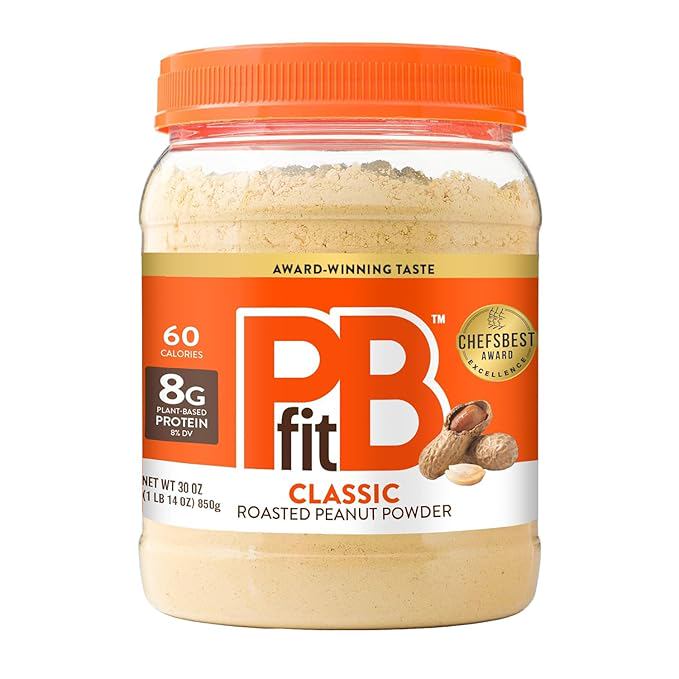
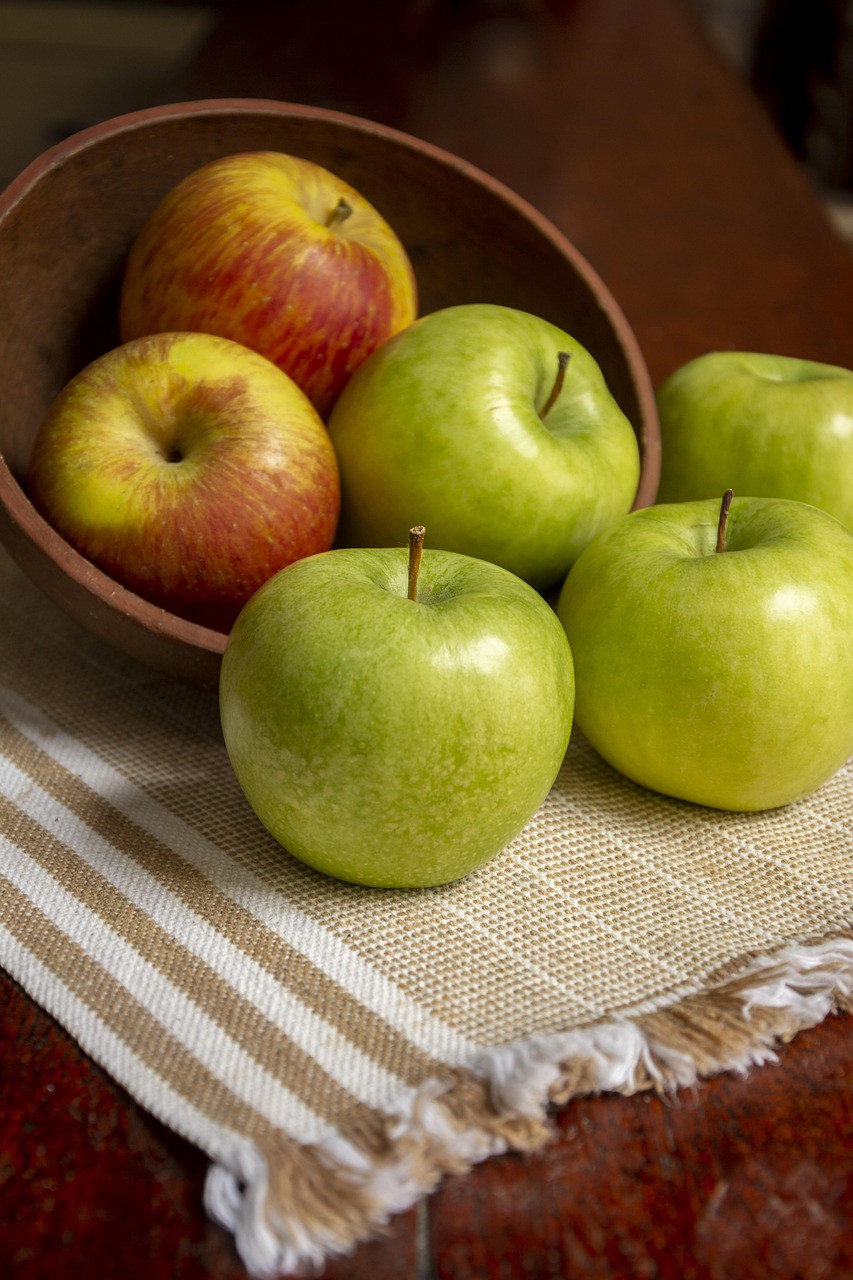
7. Sliced Apple with Nut Butter
An apple provides fiber and natural sweetness, while a thin spread of almond or peanut butter adds healthy fat and protein. The key again is portion: stick to about one tablespoon of nut butter. This combo is especially good for curbing sweet cravings without spiking your blood sugar.
Mindful snacking isn't about deprivation—it's about choosing foods that work for your body and your goals. By picking snacks that combine protein, fiber, and healthy fats, you can stay fuller longer and make your calorie deficit feel much more manageable.