Most of us know we should wear sunscreen. But knowing and doing are two different things, especially when life gets busy and the application feels like just another chore. The reality is that skin cancer, including melanoma, is one of the most preventable forms of cancer when you commit to consistent, daily protection. It doesn't require a complete lifestyle overhaul—just a few deliberate habits that become second nature.
Think of these seven habits not as a rigid checklist, but as a gentle framework. Each one works with your existing routine to build a reliable shield against UV damage over the long haul. The goal is progress, not perfection.
1. Make Sunscreen a Morning Essential, Not a Beach Accessory
The single most effective habit is to stop thinking of sunscreen as something you only grab for a day at the pool. Instead, keep a broad-spectrum, SPF 30 or higher moisturizer right next to your toothbrush. Every morning—rain or shine—apply it to your face, neck, ears, and the backs of your hands before you walk out the door. UV rays penetrate clouds and windows, so your morning commute counts as exposure. You don't need a thick white layer; just a consistent, even application does the job.
2. Reapply on a Timer, Not by Sight
Sunscreen wears off. It breaks down from sweat, water, and even just the natural oils on your skin. Relying on a single morning application is a false sense of security. Set a phone alarm for midday—around lunchtime is a natural cue. You can use a powder or setting spray for your face if you're wearing makeup, and a convenient lotion or stick for your arms and legs. This habit alone dramatically closes the protection gap.
Quick tip: Keep a travel-size sunscreen in your bag, car, or desk drawer. If it's within arm's reach, you're more likely to use it.
3. Treat Your Lips, Ears, and Scalp as Priority Zones
These areas are often forgotten, yet they are extremely vulnerable to UV damage. The lips have very little melanin, making them prone to sun-related cancers. Ears and the scalp (especially along a part-line or balding area) are constantly exposed. Make it a habit to apply an SPF lip balm each morning and reapply after meals. For your scalp and part-line, use a powder sunscreen or a fine-mist spray. A wide-brimmed hat is the easiest uniform for this—it covers all three areas at once.
4. Time Your Outdoor Activities to Avoid Peak UV
You don't have to live like a vampire, but a small scheduling shift can make a big difference. The sun's rays are strongest between roughly 10 a.m. and 4 p.m. If you're planning a run, a walk, or gardening, try to do it before or after those hours. If you must be out in the middle of the day, embrace the shade. Think of park benches under a tree, the covered side of a street, or an umbrella as your default positions. This habit is about working with the sun's schedule, not against it.
5. Use UPF Clothing as a Reliable Backup
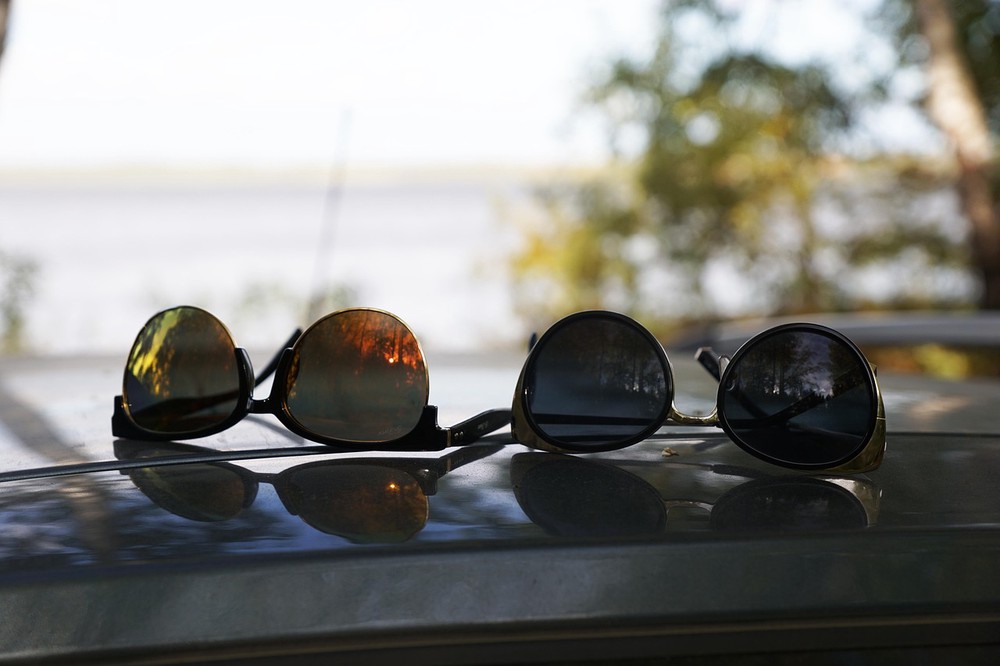
Clothing is your most dependable physical barrier—it doesn't wash off. A simple white cotton T-shirt offers roughly UPF 5 (which is minimal protection once wet). For consistent daily coverage, look for clothing with a UPF (Ultraviolet Protection Factor) rating of 30 or higher. Lightweight, long-sleeved shirts, sun hats with a neck flap, and UV-blocking sunglasses are excellent investments. You don't need a full safari wardrobe; just a few purpose-built pieces that you can grab and wear for errands or outdoor lunch breaks.
6. Check Your Skin With a Monthly Self-Exam
Habitual sun protection includes knowing your baseline. Once a month, stand in front of a full-length mirror and examine your skin from head to toe. Use a handheld mirror for your back, scalp, and the backs of your ears. Look for any new moles, spots that have changed shape or color, or sores that don't heal. This is not about diagnosing yourself; it's about being familiar enough with your own skin that you notice when something is off. If you spot a change, see a dermatologist.
7. Pair Sunscreen With Antioxidants for Extra Support
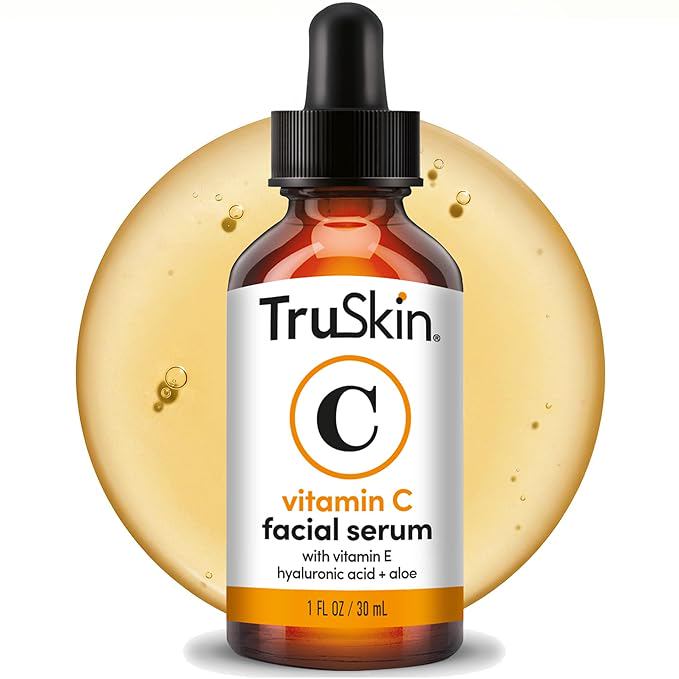
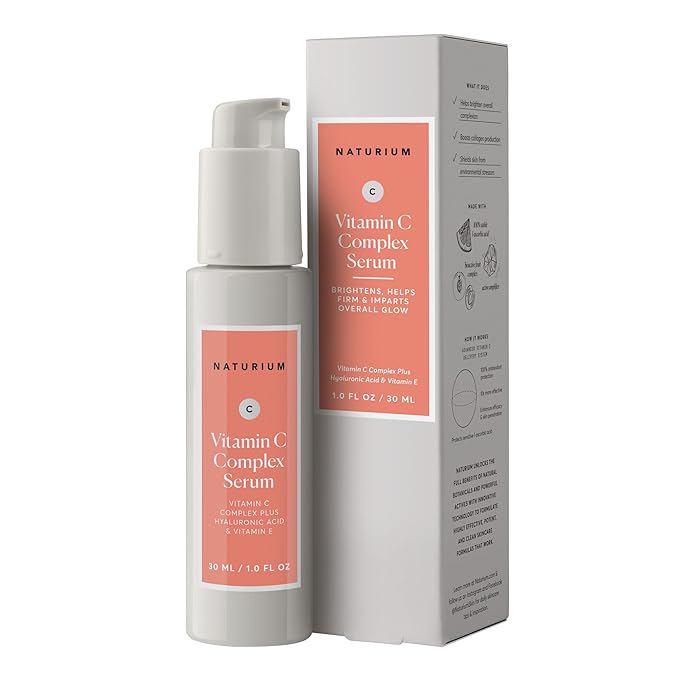
A healthy diet rich in antioxidants won't replace sunscreen, but it can support your skin's natural repair mechanisms. Foods high in vitamins C and E (think citrus fruits, berries, nuts, and leafy greens) help neutralize some of the free radical damage caused by UV exposure. You can also layer on an antioxidant serum under your morning sunscreen for a combined defensive approach. This habit turns your daily skincare ritual into a longer-term investment in skin health.
Building these habits takes about three weeks of conscious effort. Start with one or two that feel easiest—like the morning moisturizer and a midday reapplication timer. Over a few months, they will become as automatic as buckling your seatbelt. And that small, consistent effort is exactly what lowers your cumulative risk over a lifetime.