Managing portion sizes can feel like a constant negotiation with your own appetite. You know the drill: a sensible serving on the plate somehow doesn't match the hungry feeling in your stomach, and before long, you're reaching for seconds. The good news is that you don't have to rely on willpower alone. By making strategic food swaps—choosing ingredients that are naturally more satisfying or lower in calorie density—you can train your body to feel full on less. Here are six practical swaps that make portion control less of a chore and more of a natural habit.
Swap white rice for cauliflower rice (or another grated veggie)
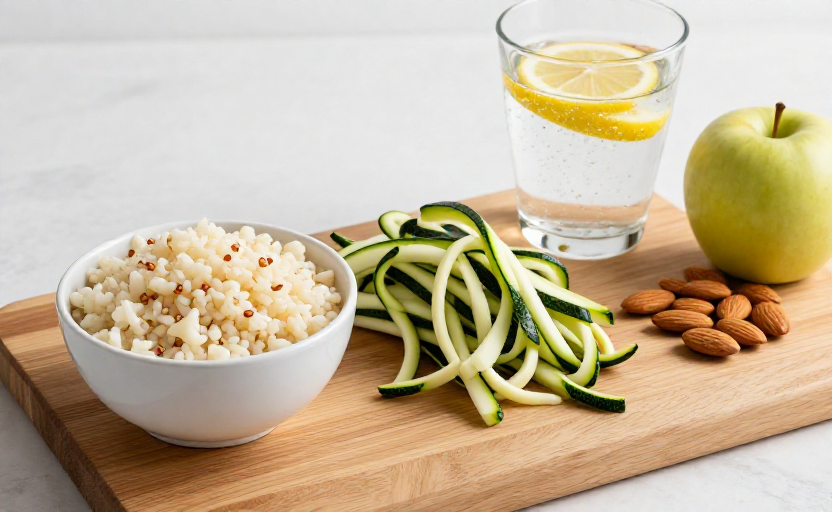
White rice is a staple on many plates, but it's calorie-dense and doesn't offer much in the way of volume. A cup of cooked white rice packs around 200 calories, while the same volume of riced cauliflower contains just 25. The visual and textural similarity means you can still enjoy a stir-fry or burrito bowl without feeling like you're missing out. For an even more seamless transition, try a half-and-half blend: one part cauliflower rice to one part regular rice. You'll cut the calories in half, double the vegetable intake, and barely notice the difference.
Swap a creamy dressing for a vinaigrette or yogurt-based sauce
Salads are supposed to be the light option, but a heavy, creamy dressing can turn a bowl of greens into a calorie bomb. Two tablespoons of ranch dressing can exceed 140 calories, while the same amount of a simple olive oil and vinegar dressing lands closer to 70. If you crave creaminess, try a thick, unsweetened Greek yogurt-based dressing or even a mashed avocado-lime sauce. These alternatives deliver mouthfeel and flavor with significantly fewer calories, allowing you to dress your salad generously without sabotaging your portion goals.
Swap soda or sugary juice for sparkling water with a splash of citrus
Liquid calories are notoriously easy to overconsume because they don't trigger the same fullness signals as solid food. A single 12-ounce can of soda contains about 150 calories and 40 grams of sugar, and most people don't stop at one. Replacing that with a tall glass of sparkling water infused with lemon, lime, or a few muddled raspberries cuts out the sugar completely while still giving you a refreshing, bubbly experience. Over the course of a day, this one swap can free up several hundred calories—calories you can then allocate toward more satisfying, nutrient-dense foods you actually enjoy.
Swap pasta for spiralized vegetables or legume-based noodles
Regular pasta is easy to overeat because its soft, uniform texture doesn't require much chewing, so the brain doesn't get clear signals that you've had enough. Swapping half your pasta for zucchini noodles (zoodles) or using noodles made from chickpeas or lentils changes the game. Legume-based pasta provides more protein and fiber per serving, which promotes satiety, while vegetable noodles add bulk for very few calories. You can still enjoy a hearty marinara or pesto—the volume on your plate stays the same, but the energy density drops considerably.
Swap a granola bar or trail mix for fresh fruit with a small handful of nuts
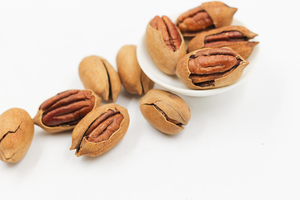
Granola bars and trail mixes often market themselves as health foods, but many are little more than oats and dried fruit bound with sugar and oil. A typical granola bar might contain 200–250 calories, yet leave you wanting more because it lacks hydration and fiber. A medium apple or a cup of berries paired with just 10–12 almonds offers a similar calorie count but with more water, fiber, and volume. You get to eat something that fills your stomach, not just your hand. The crunch of the nuts and the juiciness of the fruit also provide sensory variety that helps your brain register satisfaction.
Swap dense bread for an open-faced sandwich or lettuce wrap
When you build a sandwich with two thick slices of bread, the bread alone can account for 200–300 calories, often with little nutritional payoff. Eating the same fillings as an open-faced sandwich on a single slice of whole-grain bread, or wrapping them in large lettuce leaves or a collard green, significantly reduces the calorie load while preserving the substance of the meal. You can fill the wrap with extra vegetables, lean protein, and a smear of hummus or avocado for flavor. The result is a meal that looks and feels abundant on the plate but is naturally portion-controlled through the swap.
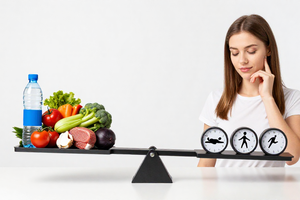
A core principle behind all of these swaps is volume: replacing calorie-dense, processed items with whole foods that take up more space on your plate and in your stomach.
These six swaps don't require complicated meal prep or an all-or-nothing attitude. Start with one or two that feel most doable, and notice how your appetite adjusts over a few weeks. Portion control becomes simpler when the food itself does the work.