
You finish a workout, you’re hungry, and you want something fast. It’s tempting to grab a bar, a shake, or whatever is nearest. But even a quick post-workout meal can go sideways if you’re not paying attention to a few key details. Whether you’re blending a smoothie or heating leftovers, small missteps can leave you tired instead of refueled.
Here are six common mistakes people make when putting together a fast post-exercise meal—and simple ways to fix each one.
1. Waiting too long to eat
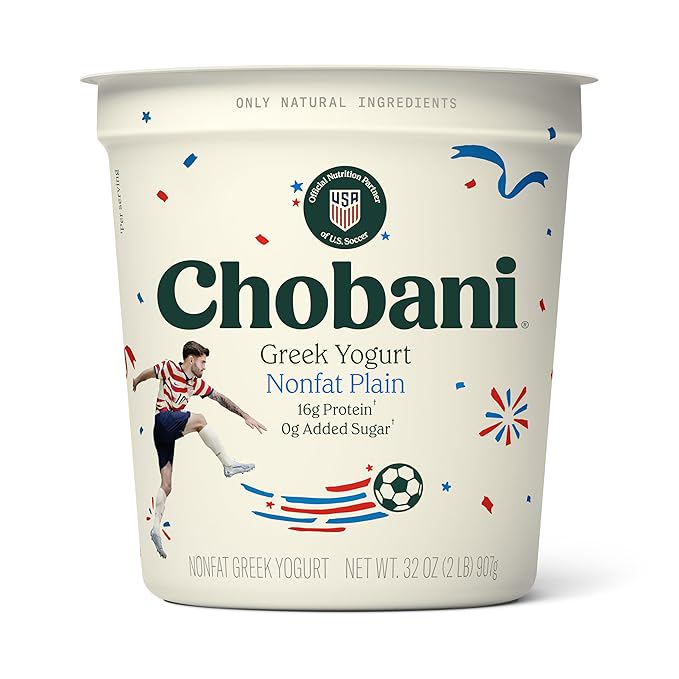
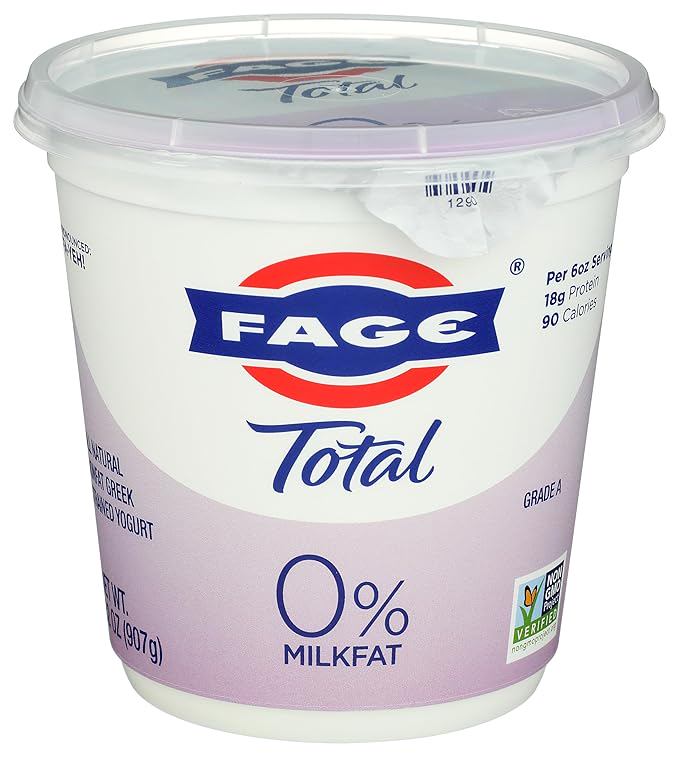
Your muscles are most receptive to nutrients in the 30-to-60-minute window after exercise. If you wait two or three hours to eat, you miss that optimal recovery period. A quick fix? Have a portable snack ready. A banana with a spoonful of peanut butter, a hard-boiled egg with a piece of fruit, or a single-serving container of Greek yogurt all travel well and work within that window.
2. Skipping protein
It’s easy to reach for a bowl of fruit or a granola bar when you’re in a rush, but if there’s no protein, your muscles won’t repair as effectively. Aim for about 15 to 25 grams of protein after a strength or endurance session. That doesn’t mean you need a protein powder. Cottage cheese, a can of tuna, edamame, or even a glass of milk can do the job.
3. Not replenishing carbohydrates
Protein gets a lot of attention, but carbs are just as important after a workout. They restore glycogen stores and help shuttle nutrients into muscle cells. The mistake is going too low-carb or picking something with no real energy value. A quick solution: pair your protein with a carb like a sweet potato, a piece of whole fruit, or a serving of whole-grain crackers.
4. Relying on ultra-processed recovery products
Not all recovery drinks and packaged bars are created equal. Some are essentially candy bars with a health claim on the wrapper. A common error is assuming anything labeled “sports” or “recovery” is automatically good for you. Instead, read the ingredient list. If you see a long list of additives, high-fructose corn syrup, or hydrogenated oils, it’s probably not your best choice. A simple homemade option—like a smoothie with milk, banana, and a handful of spinach—takes five minutes and contains real food.
5. Forgetting to hydrate
After a tough workout, many people grab food but ignore fluids. Even mild dehydration can slow recovery and make you feel sluggish. Water is the obvious first choice, but if you’ve sweated heavily, consider adding electrolytes. Coconut water, a pinch of salt in your water, or a piece of fruit like an orange can help restore what you’ve lost.
6. Making the meal too heavy or too light
It’s a balancing act. Eat too much and you may feel sluggish and uncomfortable; eat too little and you won’t feel satisfied or refueled. A good rule of thumb: think of a portion that’s slightly smaller than a typical lunch. A turkey and avocado wrap, a bowl of oatmeal with nuts and berries, or a quinoa salad with chickpeas are all filling without being overwhelming.
Post-workout eating doesn’t need to be complicated, but it does need to be intentional. By avoiding these common pitfalls, you can turn a quick meal into a truly effective recovery step.