
What you drink after a workout can make a real difference in how your body bounces back. While the internet is full of colorful smoothie bowl recipes and trendy shakes, dietitians tend to narrow their focus to a short list of evidence-backed options that actually support muscle repair, rehydration, and energy replenishment. Here are three post-workout drinks that nutrition experts consistently recommend for faster recovery — no hype required.
Chocolate Milk: The Surprising Recovery Classic
It might sound like a treat, but chocolate milk has earned a solid reputation among sports dietitians. After a tough session, your muscles need both protein to repair and carbohydrates to replenish glycogen stores. Chocolate milk delivers a natural 3:1 or 4:1 carb-to-protein ratio, which aligns well with what research suggests for post-exercise recovery.
The fluid and electrolytes in milk also help with rehydration, and the cocoa adds a bit of flavor without relying on artificial additives. Many athletes find it easier to tolerate than heavy shakes, especially right after a hard effort.
A quick tip: Choose plain chocolate milk (not a sugary “dairy drink”) and look for options with around 8–12 grams of protein per cup.
Tart Cherry Juice: For Inflammation and Muscle Soreness
Tart cherry juice has gained traction in sports nutrition circles for its high concentration of antioxidants, particularly anthocyanins. These compounds have been shown in studies to reduce markers of inflammation and oxidative stress after intense exercise.
Dietitians often recommend it for athletes who perform endurance training or high-intensity interval work, where muscle damage and soreness are more pronounced. The natural sugars in the juice also help restock glycogen, and the tart flavor can be refreshing when served chilled.
How to use it effectively
Look for 100% tart cherry juice with no added sugars. A standard serving is about 8–12 ounces, and some research suggests drinking it within an hour after exercise can maximize the recovery benefit. It's also fine to dilute it with sparkling water if the tartness feels too strong.
Bone Broth: An Electrolyte and Collagen Option
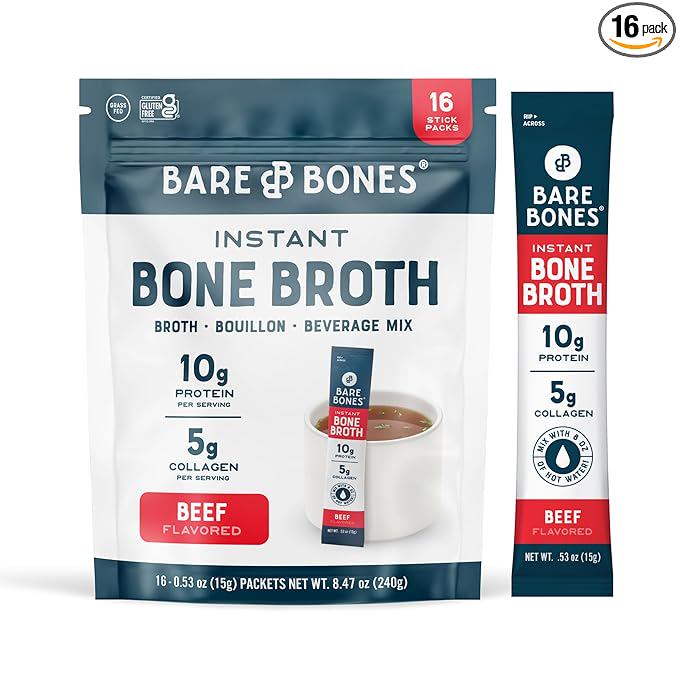
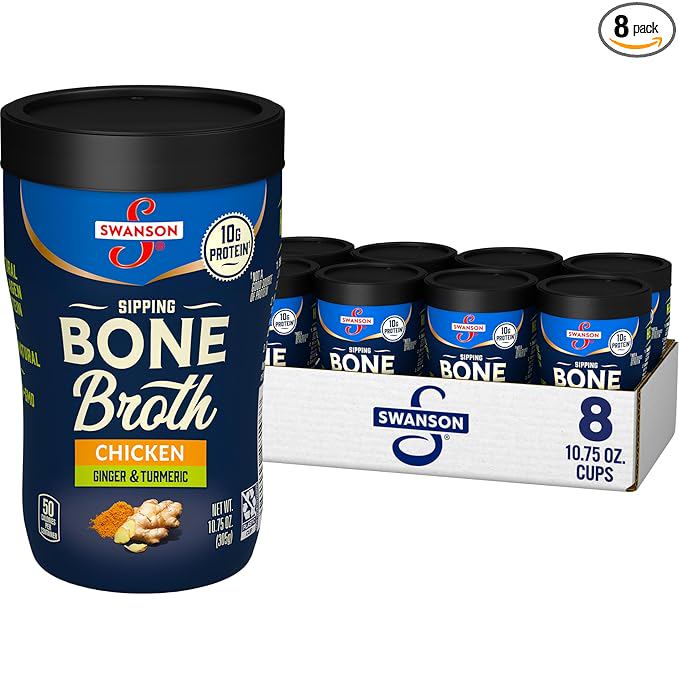
Bone broth has moved from the soup pot into the recovery conversation, and some dietitians endorse it for certain types of athletes. It provides a modest amount of protein, mainly in the form of collagen and gelatin, along with electrolytes like sodium, potassium, and magnesium — all of which you lose through sweat.
For people who feel queasy after intense workouts or prefer something warm and savory over sweet shakes, bone broth can be a soothing alternative. The collagen content may also support joint health and connective tissue recovery over time, which matters for runners and lifters alike.
What Makes a Good Post-Workout Drink?
Not every drink labeled "recovery" actually meets the body's needs after exercise. Dietitians look for a few key features:
- Carbohydrates to refuel depleted glycogen stores
- Protein (ideally 10–20 grams) to stimulate muscle repair
- Electrolytes to replace what's lost through sweat
- Low to moderate sugar — natural sources like fruit or dairy are preferred over added syrups
The drinks above hit these marks without requiring a blender full of exotic ingredients. They're practical, research-backed, and easy to fit into a routine.
What About Smoothies and Protein Shakes?
Many people turn to smoothies or protein shakes post-workout, and they can certainly work well — but the key is what you put in them. A dietitian-designed recovery smoothie will include a source of protein (like Greek yogurt or a quality protein powder), carbohydrates (like frozen fruit or oats), and liquid for hydration.
The difference is that smoothies can easily turn into calorie-bombs or sugar-laden drinks if not balanced. The three drinks listed here are simpler and harder to mess up, which is why experts lean on them as reliable go-to's.
When to Drink for Best Results
Timing matters, but the "30-minute window" is less rigid than often claimed. Most dietitians suggest having a recovery drink within 1–2 hours after exercise, with the sooner side being better if your next meal will be delayed.
If you have a full balanced meal planned within that window, a recovery drink may be unnecessary. But for those who can't eat right away, or who train again within a few hours, these drinks provide a smart bridge to proper nutrition.