
You finish a tough workout, eat your post-exercise meal, and expect your muscles to feel ready for the next session. But sometimes, despite your best efforts, that recovery meal isn't doing its job. Here are three clear signs that your post-workout nutrition might be missing the mark—and what you can do about it.
Sign #1: You Still Feel Sore or Fatigued Hours Later
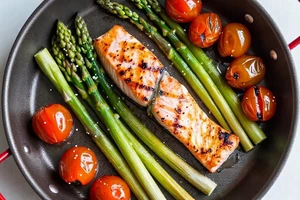
It's normal to feel some muscle soreness after an intense workout, especially if you're trying something new. But if you're still dragging hours—or even a full day—after eating, your meal may lack the protein needed for repair. Muscle fibers need amino acids from protein to rebuild. Without enough, recovery stalls, and fatigue lingers. Aim for a meal that includes a quality protein source like chicken, fish, eggs, or plant-based options such as legumes and paneer to give your muscles the building blocks they need.
Sign #2: Your Performance Drops in Your Next Workout
If you notice that your strength, endurance, or stamina is lower than expected during your next training session, your post-workout meal might be low in carbohydrates. Carbs replenish the glycogen stores your muscles used during exercise. When those stores aren't fully topped up, your body struggles to perform at the same level. A good post-workout meal should pair protein with some complex carbs—think brown rice, sweet potatoes, or even red rice poha along with your protein source to help you bounce back.
Sign #3: You Experience Unusual Cravings or Hunger
If you're ravenous within an hour or two of eating your recovery meal, it could be a sign that it wasn't balanced enough. A meal that's too light on protein or healthy fats won't keep you satisfied, and your blood sugar may dip, triggering cravings for sugary or high-calorie foods. To avoid this cycle, include a moderate amount of protein, a serving of carbs, and a little fat—such as butter or a drizzle of oil—to keep your energy steady and your hunger in check.
How to Build a Better Post-Workout Meal
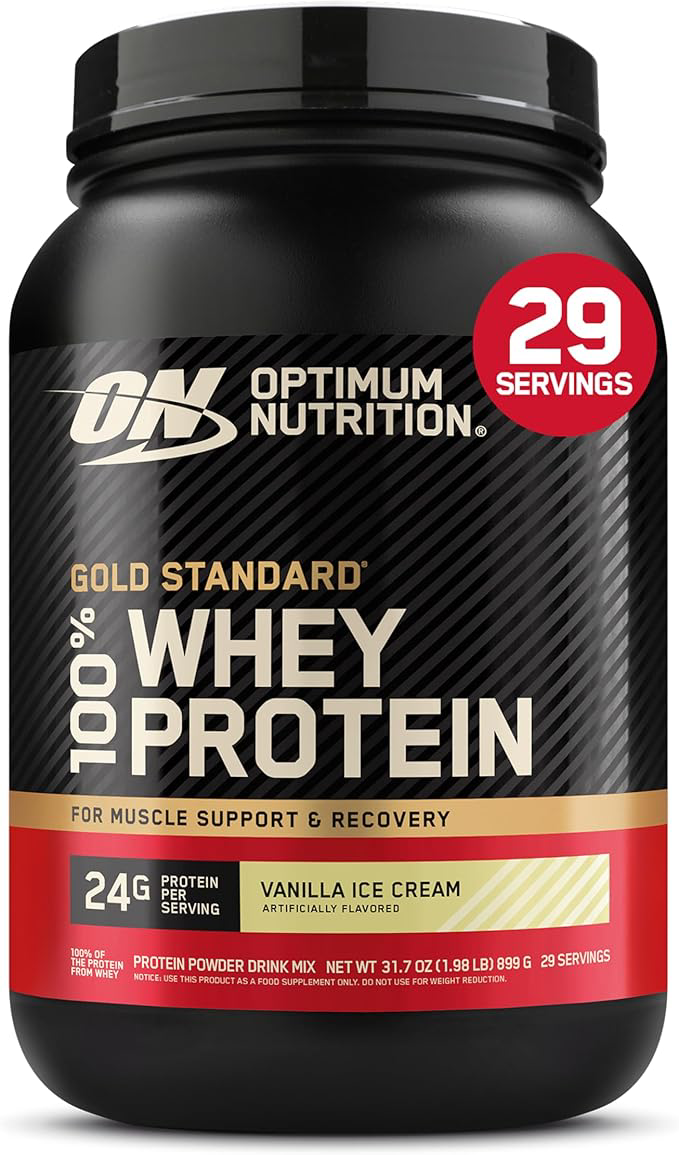
The goal is simple: refuel, repair, and rehydrate. Start with a protein source (about 20–30 grams for most people), add a carbohydrate source (roughly equal to the protein in grams), and include some vegetables or a small amount of healthy fat if your meal is low in fat. For example, a bowl of rajma (kidney beans) and paneer with red rice poha and a side of cooked greens hits all the right notes. It's protein-rich, offers complex carbs, and provides micronutrients that support recovery. If you're in a rush, a smoothie with protein powder and fruit can work, but whole foods tend to offer more staying power and broader nutrition.
A quick tip: Eat your post-workout meal within 45 minutes to two hours after exercise, when your muscles are most receptive to nutrients.
When to Reassess Your Routine
If you've addressed your meal composition but still see any of these signs, consider the timing of your meal, your overall daily calorie and protein intake, and whether you're drinking enough water. Sometimes the problem isn't the meal itself but the context—like not eating enough during the day or training too frequently without adequate rest. Listening to your body is your best guide. If soreness, fatigue, or hunger become chronic, it may be worth talking with a sports dietitian or nutrition coach to tailor your plan.
Your post-workout meal is a key part of your training progress. When it's working well, you feel energized, strong, and ready for the next challenge. Use these signs as a simple check to keep your recovery on track.