You might assume that oily skin is simply a genetic hand-me-down or the result of a hot, humid climate. While those play a role, there are several lesser-known triggers that could be ramping up your skin's sebum production without you realizing it. Many adults find themselves battling unexpected shine and breakouts long after their teenage years, often overlooking these everyday culprits.
Let's explore six surprising reasons your skin might be producing excess oil and what you can do to rebalance your complexion.
1. Your Shampoo and Conditioner
It’s counterintuitive, but the products you use to wash your hair can clog the pores along your hairline, forehead, and jawline. Heavy conditioners, oils, and sulfate-rich shampoos can leave a film on your skin, signaling your sebaceous glands to overcompensate. This is sometimes called “pomade acne” or, more broadly, contact acne. To test this, try switching to a gentle, sulfate-free shampoo and avoid letting conditioner run down your face during your shower.
2. Overwashing Your Face
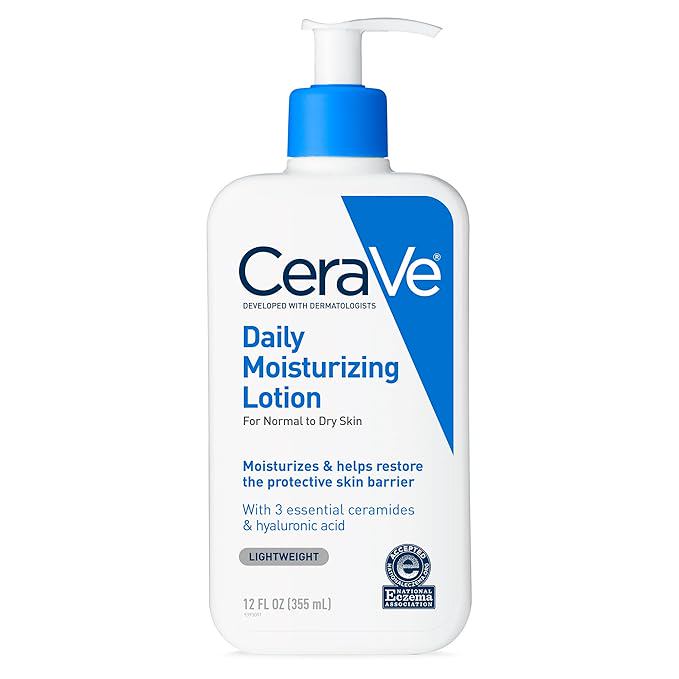
Stripping your skin of its natural oils with harsh cleansers or washing too often can create a rebound effect. When the skin barrier is compromised, it sends out an SOS signal to produce even more sebum to protect itself. This is a common scenario for people who switch to drying, acne-focused washes multiple times a day. Instead, aim for a gentle, non-foaming cleanser morning and night (no more) and follow up with a lightweight, oil-free moisturizer.
A healthy moisture barrier is your skin’s best defense against excess oil production. Hydrate to regulate.
3. The Type of Moisturizer You Skip
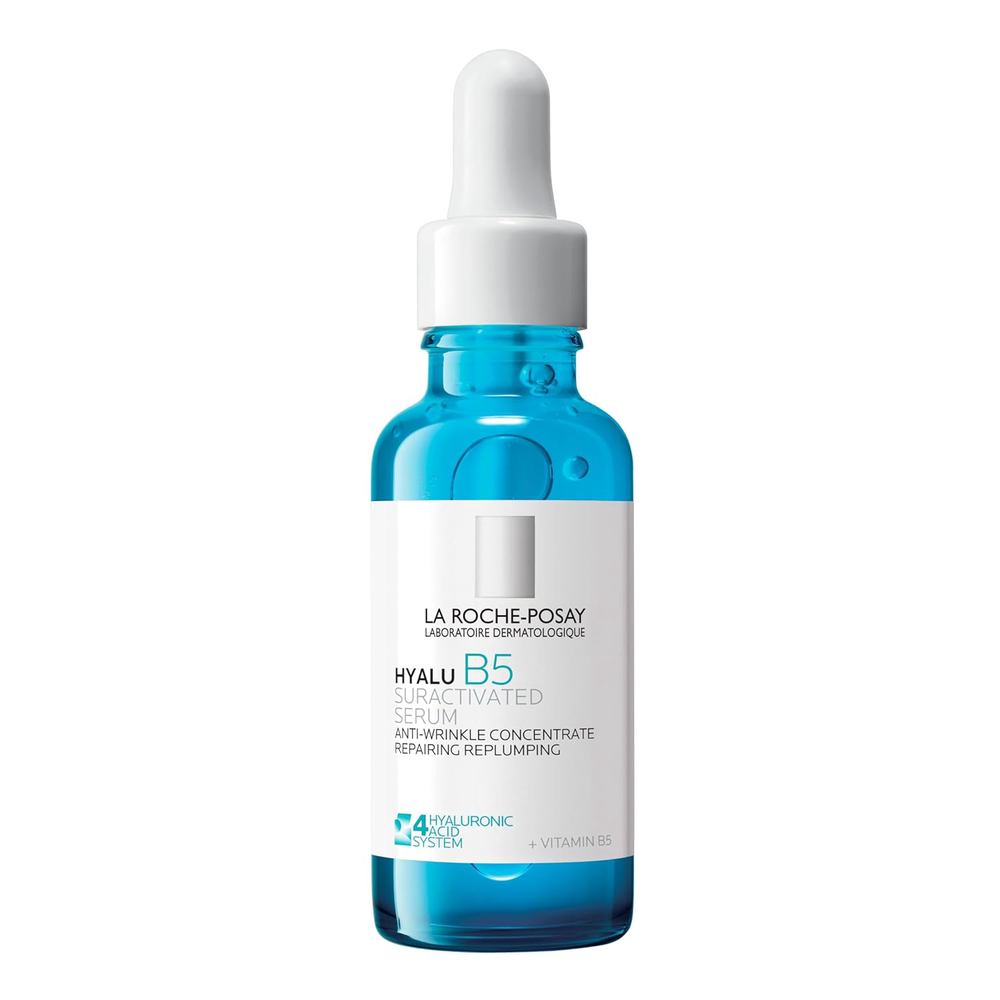
Many people with oily skin avoid moisturizer entirely, which worsens the problem. Without hydration, your skin becomes dehydrated—even if it’s oily. Dehydrated skin triggers an overproduction of oil to compensate. Look for oil-free, non-comedogenic gel or water-based moisturizers that contain ingredients like hyaluronic acid or glycerin. These hydrate without adding heaviness.
4. Hidden Stress
Chronic stress elevates cortisol levels, which directly stimulates your sebaceous glands to produce more oil. This isn’t just about feeling frazzled—it’s a physiological chain reaction. You may notice a greasier T-zone or more frequent breakouts during high-pressure periods. Managing stress with adequate sleep, regular movement, and mindfulness can calm both your mind and your sebum production.
5. Certain Medications
Some prescriptions, including certain hormone therapies, antidepressants, and even some types of birth control pills, can increase sebum output. Androgenic progestins found in some birth control can mimic testosterone, encouraging oiliness. If you’ve noticed a change after starting a new medication, discuss it with your healthcare provider rather than trying to treat the symptom on your own.
6. Your Diet—Specifically Dairy and Sugar
High-glycemic foods (white bread, sugary drinks, pasta) and dairy products can spike insulin and insulin-like growth factor (IGF-1), which can ramp up oil production. This is more than just a theory—it’s backed by dermatological research. You don’t have to eliminate these entirely, but reducing your intake and observing your skin’s response is a practical, low-risk experiment.
When to See a Professional
If you’ve addressed these surprising triggers and still struggle with significant oiliness or acne, a board-certified dermatologist can evaluate whether underlying conditions (like hormonal imbalances or seborrheic dermatitis) are at play. They can also recommend targeted topical treatments such as retinoids or azelaic acid that are beyond over-the-counter options.