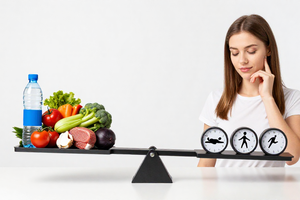
You reach for a cookie or a soda, convinced your body needs sugar. But what if it's actually asking for water? The signals for hunger, thirst, and sugar cravings can get scrambled in the brain, leading you to eat when what you really need is a glass of water. Here are five clear signs that your craving might be thirst in disguise.
1. The craving hits suddenly and intensely
True hunger tends to build gradually. Thirst-driven cravings, on the other hand, often appear out of nowhere with an urgent, almost desperate feeling for something sweet. If you find yourself desperately wanting chocolate or candy without the slow buildup of hunger pangs, try drinking 8–12 ounces of water first and waiting 10 minutes. Many people find the urge fades quickly after hydration.
2. You feel tired or headachy alongside the craving
Dehydration commonly causes fatigue, lightheadedness, and mild headaches. When these symptoms pair with a sugar craving, it's a strong clue that your body is low on fluids. Reaching for sugar gives a temporary energy lift, but it doesn't solve the underlying fluid deficit—and can lead to an energy crash later. If you feel sluggish and crave sugar, drink water first.
A quick tip: Keep a water bottle at your desk and take small sips throughout the day. Staying ahead of thirst is easier than playing catch-up.
3. Your mouth, lips, or skin feel dry
Dry mouth, chapped lips, or skin that lacks elasticity are classic signs of dehydration. When these accompany a sugar craving, the connection is nearly unmistakable. Your body uses thirst signals like a parched mouth, but some people misinterpret that sensation as a desire for sweet or salty snacks. Before eating, check if your mouth feels sticky or your lips are dry—if so, water is likely the real need.
4. You just finished a workout or spent time in heat
Exercise and hot environments deplete fluids and electrolytes. After a sweat session, many people crave sugary sports drinks or snacks. That instinct is partly biological—your body wants quick energy and electrolyte replenishment—but plain water may be what's missing. Try rehydrating with water and, if needed, a small electrolyte source like coconut water or a pinch of salt in your glass. Often the sugar craving subsides once you're properly hydrated.
5. You recently ate a large or salty meal
A heavy meal or one high in sodium can trigger thirst that feels like a sugar craving. Your body needs extra water to process salt and digest food. If you find yourself wanting dessert shortly after a salty lunch or dinner, pause and drink a full glass of water. Wait 15 minutes and see if the urge for sweets lessens. This simple habit can help you distinguish real dessert desires from misinterpreted thirst.
Learning to read your body's signals takes practice. The next time a sugar craving strikes, run through these five clues. If any of them apply, drink water first. You might be surprised how often the sweet urge disappears after a few sips. Staying well-hydrated throughout the day—aiming for pale yellow urine as a guide—can also reduce the frequency of false sugar cravings.