You already know that PCOS and sleep don't always get along. Between midnight cravings, racing thoughts, and that 3 AM wake-up call from your own hormones, a full night's rest can feel like a distant memory. But here's the part that often gets missed: some of the very habits we adopt to cope with poor sleep might be quietly making your hormonal imbalance worse.
Let's talk about five common sleep patterns that could be sabotaging your PCOS management — and what to do instead.
1. Sleeping in on weekends to "catch up"
It feels virtuous, doesn't it? You slog through a week of broken sleep, and then Saturday morning you let yourself sleep until 10 AM as a reward. But that two- or three-hour shift in your wake-up time sends a confusing signal to your endocrine system. Your body's internal clock — the circadian rhythm — directly regulates cortisol, insulin, and luteinizing hormone, all of which are already out of balance in PCOS. When you suddenly change your sleep schedule by several hours, you spike cortisol and blunt your morning insulin sensitivity.
Consistency matters more than length. A 6:30 AM wake-up every day, even on weekends, often leads to more stable hormone levels than sleeping in on Saturday and Sunday.
2. Falling asleep with the TV or a bright tablet
Blue light exposure after sunset isn't just about making it harder to fall asleep. It actively suppresses melatonin production, and melatonin does more than help you snooze. It also influences ovarian function, androgen levels, and glucose metabolism. For women with PCOS, low melatonin has been linked to higher free testosterone and worse insulin resistance. That late-night scroll through social media or the habit of letting the bedroom TV run all night could be contributing to higher androgen levels.
Try dimming screens two hours before bed, or use blue-light blocking glasses if you must look at a screen. Your ovaries will thank you.
3. Keeping your bedroom too warm
A hot room feels cozy, but your core body temperature needs to drop about one degree Fahrenheit for you to enter deep, restorative sleep. When your bedroom is above 70 degrees Fahrenheit, your body struggles to reach that temperature dip. What does that have to do with PCOS? Deep sleep is when your body does the heavy lifting on insulin sensitivity and cortisol clearance. If you're not hitting that stage consistently, your morning fasting glucose can creep up, and your adrenal glands stay in a low-grade "on" state.
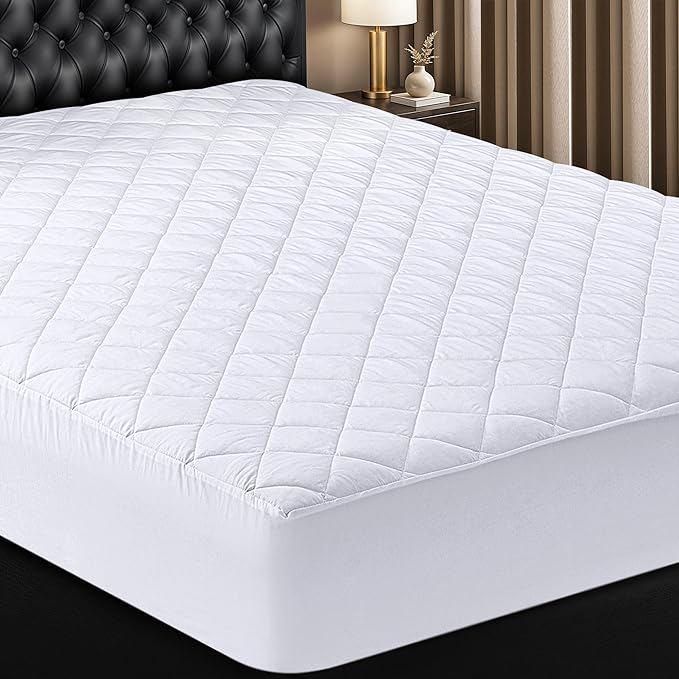
Consider dropping the thermostat to 65–68 degrees, using a cooling mattress pad, or sleeping with a lighter blanket.
4. Eating a high-carb snack right before bed
Maybe you've heard that a small snack before sleep helps with blood sugar stability. That can be true — but only if the snack is right. A bowl of cereal, a banana, or a handful of crackers spikes your blood sugar just as your pancreas is trying to lower its insulin output for the night. For someone with PCOS who already has insulin resistance, that late-night glucose surge triggers a larger insulin release, which can suppress melatonin and disrupt growth hormone. The result: you get less deep sleep, wake frequently, and feel hungrier for carbs the next day.
A better choice is a small protein-heavy snack — think a few almonds or a slice of turkey — if you need something before bed.
5. Ignoring sleep-disordered breathing symptoms
Here's one that flies under the radar constantly. Women with PCOS have a significantly higher risk of obstructive sleep apnea, even when they aren't overweight. The hormonal imbalance itself affects airway muscle tone and respiratory drive. If you wake up with a dry mouth, morning headaches, or excessive daytime fatigue even after eight hours in bed, you might have sleep apnea. Untreated, it worsens insulin resistance by 30–40%, raises cortisol, and increases cardiovascular strain. There's a common myth that you'd know if you had sleep apnea because you'd snore loudly — but many women with PCOS have a milder form that shows up as just light snoring or even silence (the kind where you stop breathing for seconds).
If this sounds familiar, a home sleep study is worth discussing with your healthcare provider. Treating sleep apnea with CPAP or oral appliances can sometimes improve PCOS symptoms more than any dietary change.
Each of these habits feels small on its own. But compound them night after night, and they're actively fighting every other effort you make — the clean eating, the exercise, the supplements. Sleep isn't just rest. For the PCOS body, it's a non-negotiable pillar of hormone regulation. One tweak this week could start shifting your mornings and your cycles toward a more balanced rhythm.