Stopping hormonal birth control is often a moment of hope. For many women with PCOS, the pill was managing—not curing—the underlying imbalance. The first few months off it can feel like a second puberty: unpredictable cycles, cystic breakouts, and that familiar hormonal fog. It is easy to look to food as a way to regain control, but not every well-intentioned dietary change helps. In fact, two common diet mistakes can quietly make PCOS hormonal imbalance worse right after stopping the pill.
Mistake 1: Cutting carbs too aggressively
After years on synthetic hormones, your body's own ovarian and adrenal axes are waking up. A very low-carb or ketogenic diet might sound like the gold standard for PCOS, but in the early post-pill phase it can backfire. Your liver needs adequate carbohydrates to produce sex hormone–binding globulin (SHBG), the protein that mops up free testosterone. When carbohydrate intake drops too low, SHBG levels can fall, leaving more androgens circulating—exactly what you do not want as your natural cycle tries to establish.
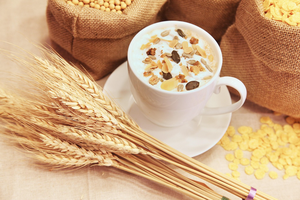
A better approach is to focus on quality and timing rather than elimination. Think fist-sized portions of sweet potato, quinoa, lentils, or oats at meals, especially around lunch when insulin sensitivity is highest. The goal is to support blood sugar stability, not starve the system.
Mistake 2: Overloading on raw cruciferous vegetables without supporting thyroid function
Cruciferous vegetables—broccoli, cauliflower, kale, cabbage—are rich in indole-3-carbinol (I3C) and diindolylmethane (DIM), compounds that help the liver metabolize estrogen. That is a good thing in principle. But many women coming off the pill have sluggish liver detox pathways and subtle thyroid issues that were masked by the contraceptive. Raw crucifers also contain goitrogens, which can interfere with thyroid peroxidase, an enzyme needed to produce thyroid hormone.
If your thyroid function is borderline—common in PCOS—a sudden jump to daily raw kale smoothies and giant salads can lower your T3 and T4, slowing metabolism and worsening fatigue, brain fog, and hair thinning. The fix is not to avoid these vegetables; it is to cook them thoroughly. Steaming, roasting, or sautéing neutralizes most goitrogenic activity while preserving the beneficial detox support. Pair cooked greens with a mineral-rich foundation from sea vegetables or a good pinch of iodized salt to keep your thyroid happy.
How the two mistakes compound the problem
Here is the tricky part: these mistakes often come as a package. A woman transitions off the pill, goes low-carb to address insulin resistance, and simultaneously adds raw green smoothies to “support estrogen detox.” She ends up with lower SHBG, a sluggish thyroid, and a stressed adrenal system. The result can be more cystic acne, irregular bleeding, and more dramatic mood swings than she had before starting the contraceptive—not because her body cannot regulate itself, but because the diet is inadvertently working against the hormone axes that need to rebuild.
What the research suggests is that the post-pill window is a time for substrate support, not aggressive restriction. The liver needs complex carbohydrates and methyl donors (found in beets, eggs, and leafy greens). The adrenal glands need steady blood sugar and vitamin C. The thyroid needs iodine, selenium, and zinc. If you take away the carbohydrate fuel or introduce raw goitrogens without adequate mineral balance, you create a metabolic environment that makes it harder for the ovaries and pituitary to synchronize.
Practical shifts that help, not harm
- Eat enough complex carbs to keep SHBG production running. A good guideline is 30–45 grams per main meal, distributed across the day.
- Cook your crucifers. Roast them with olive oil and garlic, or add steamed broccoli to a grain bowl. Your thyroid will thank you.
- Include adequate protein at breakfast. A high-protein breakfast (25–30 grams) helps blunt the cortisol spike that can worsen androgen metabolism.
- Support the methylation cycle with foods like liver, lentils, asparagus, and beets. Methylation is key for processing the estrogen surge that often occurs in the first three months off the pill.
The post-pill transition is not a race—it is a recalibration. Gentle, consistent food choices that prioritize blood-sugar balance and thyroid support will serve you better than any rigid elimination protocol.
Signs your diet may be working against you
Watch for these red flags in the weeks after stopping the pill: new or worsening cystic acne along the jawline or chin, hair thinning at the temples, waking up during the night between 2 and 4 a.m. (a hallmark of low blood sugar and elevated cortisol), a feeling of being colder than usual, and cycles that swing from very short (under 24 days) to very long (over 40 days). Any of these, especially in combination, suggest that your current dietary pattern may be adding stress rather than providing the scaffolding your hormones need.
If you notice these signs, it is worth taking a closer look at carbohydrate intake and vegetable preparation. Sometimes the simplest adjustment—adding a serving of roasted root vegetables or switching from raw kale to sautéed spinach—can shift the trajectory of your whole recovery period.
Editor's Note: The information in this article is for educational purposes only and does not replace personalized medical advice. Always work with a healthcare professional familiar with PCOS and hormonal health when making dietary changes, especially in the sensitive post-pill transition period.