You stopped the birth control pill, expecting relief from your PCOS symptoms. Instead, you're watching clumps of hair circle the drain. This is a deeply unsettling experience, and if you have Polycystic Ovary Syndrome (PCOS), you are not imagining things—and you are not alone. The phenomenon often called “post-pill hair loss” is a real, physiological reaction that hits women with PCOS harder than most. Let’s walk through the mechanisms at play and what you can reasonably expect during this transitional phase.
The hormonal domino effect of stopping the pill
Oral contraceptives work by providing a steady dose of synthetic estrogen and progestin. This shuts down your natural ovarian cycle and, crucially, suppresses the production of androgens like testosterone. For many with PCOS, the pill acts as a temporary shield against symptoms driven by high androgens, such as hair thinning on the scalp and unwanted facial hair.
When you stop taking the pill, your ovaries “wake up.” In a person with PCOS, this waking process is not smooth. Your natural hormonal axis (the HPG axis) can take months to re-establish its rhythm. During this adjustment period, your body may produce a surge of androgens, as the suppressive effect of the pill is removed. This temporary spike in testosterone and related hormones is a primary driver of the shedding you are witnessing.
The telogen effluvium trigger
This is the key mechanism: post-pill hair loss is almost always a form of telogen effluvium (TE). TE is a temporary, diffuse hair shedding that occurs roughly three months after a physiological shock or shift. The hormonal upheaval of stopping the pill is that shock. It pushes a large percentage of your hair follicles from the growing (anagen) phase into the resting (telogen) phase prematurely.
About three months after your last pill, these resting hairs are pushed out en masse. This is why you might feel fine for two months, then suddenly experience dramatic shedding. It feels like you are losing all your hair, but the process is self-limiting. The hair follicle itself is not dead; it has simply cycled into a resting state.
Important context: TE is a reaction to a change, not a sign that your hair is permanently gone. The shedding will stop once your body adjusts to its new, pill-free baseline.
Why PCOS makes this worse
Women without PCOS often experience a milder form of post-pill shed. But with PCOS, you are dealing with two overlapping issues. First, your underlying genetic predisposition to androgen sensitivity is unmasked. The pill was suppressing these androgens; now they are free to interact with your hair follicles.
Second, the androgen spike that occurs as your ovaries resume their natural function is often higher and more erratic in PCOS. This can convert a standard TE event into something called Chronic Telogen Effluvium, or it can unmask underlying Androgenetic Alopecia (AGA, also known as female pattern hair loss). AGA is a genetic condition where hair follicles are sensitive to androgens, causing progressive thinning on the crown and top of the scalp. The post-pill period can be the first time you visibly see this pattern.
Scalp hair vs. body hair: a classic PCOS contradiction
One frustrating sign to watch for is the “PCOS contradiction.” You might notice hair shedding from your scalp at the same time you see more coarse, dark hairs growing on your chin, chest, or lower abdomen. This happens because the same androgen surge is telling your scalp follicles to miniaturize (produce thinner, shorter hairs) while stimulating your body and facial follicles to grow thicker, darker hairs. It is a clear signal that your hormones are shifting into a less balanced state than when you were on the pill.
What to do during the shed phase
Your job during this period is not to stop the hair from falling out—you cannot stop a TE event once it has started. Your job is to support the regrowth phase and address the underlying PCOS drivers for the long term.
- Focus on regrowth markers: Look for tiny, short hairs sprouting along your hairline and part line. This is called “peach fuzz” or vellus hair that is transitioning into terminal hair. It is the most encouraging sign that your follicles are cycling back into the growth phase.
- Adopt a hormone-supporting diet: Since PCOS is closely linked to insulin resistance, stabilizing your blood sugar is one of the most concrete levers you can pull. Prioritize protein at breakfast, swap refined carbs for fiber-rich vegetables and whole grains, and include healthy fats like avocado or olive oil. This helps lower the insulin spikes that can trigger further androgen production.
- Manage inflammatory load: Scalp inflammation can worsen hair loss. A gentle, mild shampoo without sulfates or harsh fragrances can help. Avoid tight hairstyles like buns or ponytails that pull at the roots. Be gentle when brushing, especially when wet.
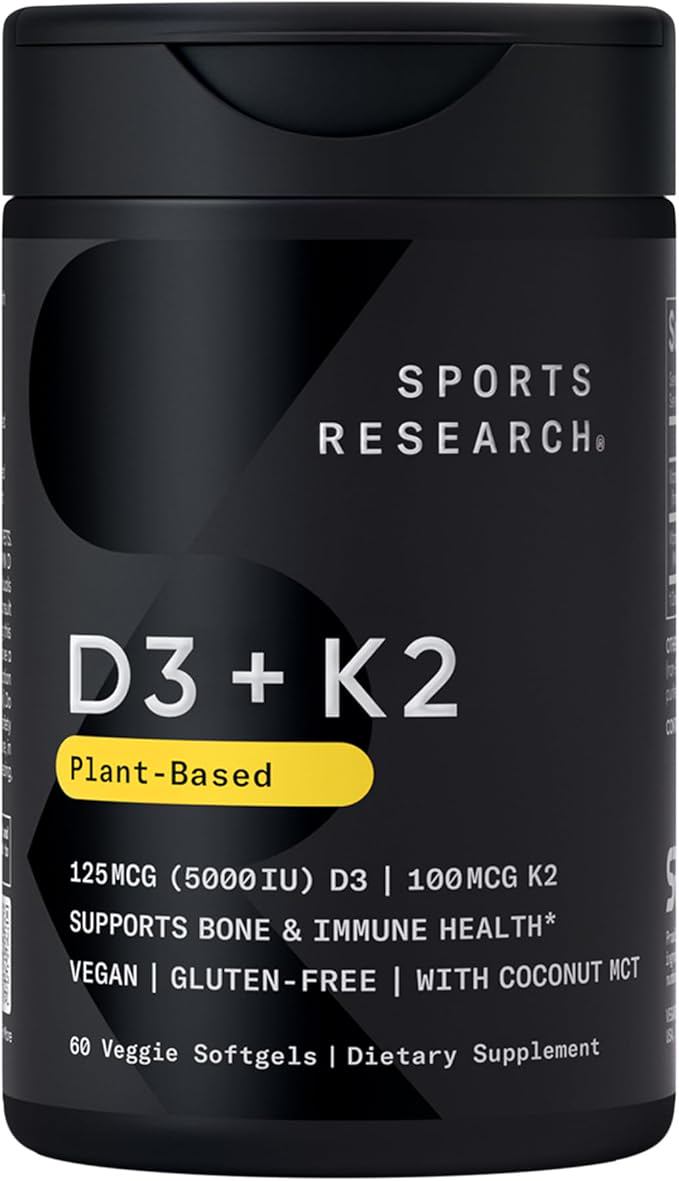
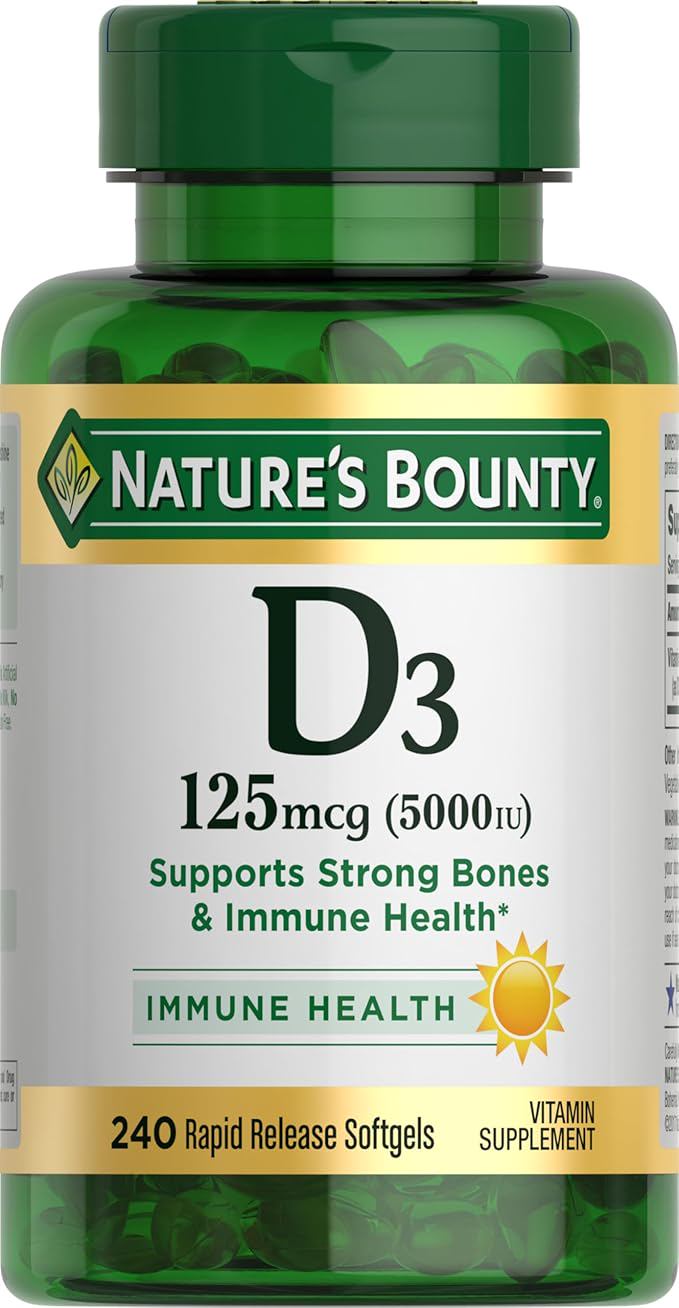
- Look into supportive supplements: Certain nutrients are commonly low in PCOS and are essential for hair growth. These include zinc, vitamin D, and iron. Always get levels tested before supplementing, as excess zinc or iron can be harmful. A general blood panel from your doctor is the safest first step.
A timeline of what is normal
It helps to know what the roadmap looks like, even if everyone's body is slightly different.
- Month 1-2 after stopping the pill: You might feel fine. Hormones are still adjusting. No visible shedding yet.
- Month 3-4: The peak shedding phase. This is when most women panic. It can feel dramatic, but it corresponds to the hairs that entered telogen two months ago being released.
- Month 5-6: Shedding should begin to taper off. You may notice “baby hairs” at your temples. The overall volume of hair in your brush will decrease.
- Month 7-12: Regrowth becomes more visible. The shedding should have normalized. Your hair may look uneven or have different texture as new hairs grow to different lengths.
- Beyond 12 months: If shedding has not stopped or if you see a widening part line, your body may have settled into a new baseline that includes underlying Female Pattern Hair Loss. At this point, a dermatologist specializing in hair disorders can offer a realistic assessment.
When to see a professional
While post-pill TE resolves on its own for most people, PCOS can complicate the picture. Consider seeing a board-certified dermatologist if your shedding persists beyond six months without any sign of regrowth, or if you notice a receding hairline or a widening part line that you did not have before. A trichoscopy (a quick, non-invasive scalp exam) can differentiate between TE, AGA, and other conditions like alopecia areata.
A good practitioner will also check your fasting insulin, free testosterone, DHEA-S, and vitamin D levels. Getting a clear hormonal baseline six months off the pill is more useful than a test taken immediately after stopping, since the first few months are a transition period.
This phase is temporary and manageable. Your body is not betraying you; it is recalibrating to its natural rhythm. With consistent metabolic support and patience, most women see significant recovery within a year.