Coming off hormonal birth control can feel like a second puberty—especially when you have Polycystic Ovary Syndrome (PCOS). For years, the pill may have managed your cycles, kept acne at bay, and smoothed out your hormones. When you stop, your body has to remember how to ovulate and balance its own estrogen, progesterone, and androgens on its own, often revealing the underlying metabolic and hormonal patterns that define PCOS.
Rather than fearing this transition, you can support your body with targeted nutrition. The goal isn't to 'fix' your hormones overnight, but to provide the raw materials your system needs to find a new equilibrium. Here are four food categories research and dietitians suggest prioritizing during the post-pill period for PCOS.
1. Cruciferous vegetables to support estrogen metabolism
Your liver is the main organ responsible for processing and eliminating used hormones. When you stop birth control, your body may produce more estrogen on its own, but it needs to clear that estrogen efficiently to avoid dominance. Cruciferous vegetables—broccoli, cauliflower, kale, Brussels sprouts, arugula, and cabbage—contain a compound called indole-3-carbinol (I3C), which converts to diindolylmethane (DIM) in the gut.
DIM helps shift estrogen metabolism toward a healthier pathway, producing more 2-hydroxyestrone (a 'good' estrogen metabolite) and less 16-alpha-hydroxyestrone (a more potent form linked to negative symptoms). For women with PCOS, who often have a higher risk of estrogen dominance, this is especially relevant.
Aim for at least one serving daily. A handful of steamed broccoli or a fistful of shredded cabbage in a stir-fry counts. Roasting Brussels sprouts with olive oil and garlic makes them far more appealing than boiling.
2. Magnesium-rich foods for insulin sensitivity and sleep
PCOS frequently involves some degree of insulin resistance—your cells don't respond as well to insulin, so the pancreas pumps out more, which can trigger the ovaries to produce excess testosterone. Magnesium is a mineral that plays a direct role in glucose metabolism and insulin receptor sensitivity. It also helps calm the nervous system and improve sleep quality, which is often disrupted during the post-pill transition.
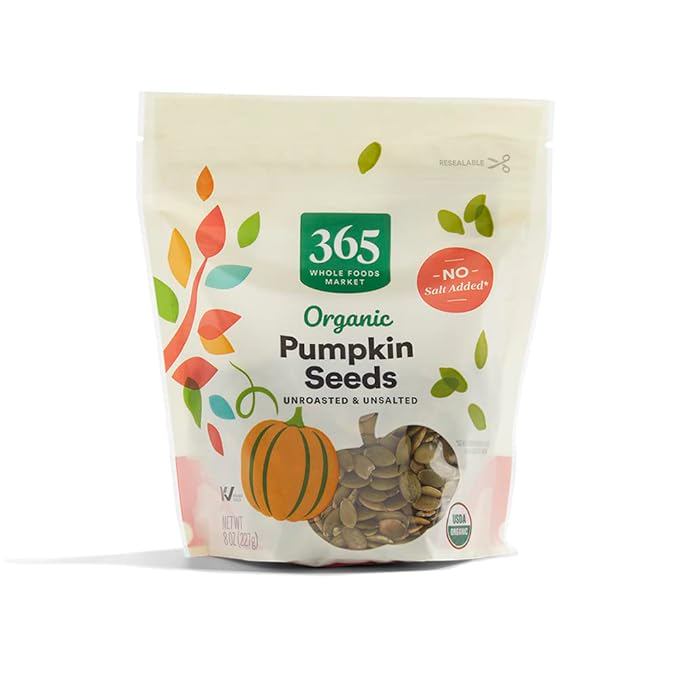
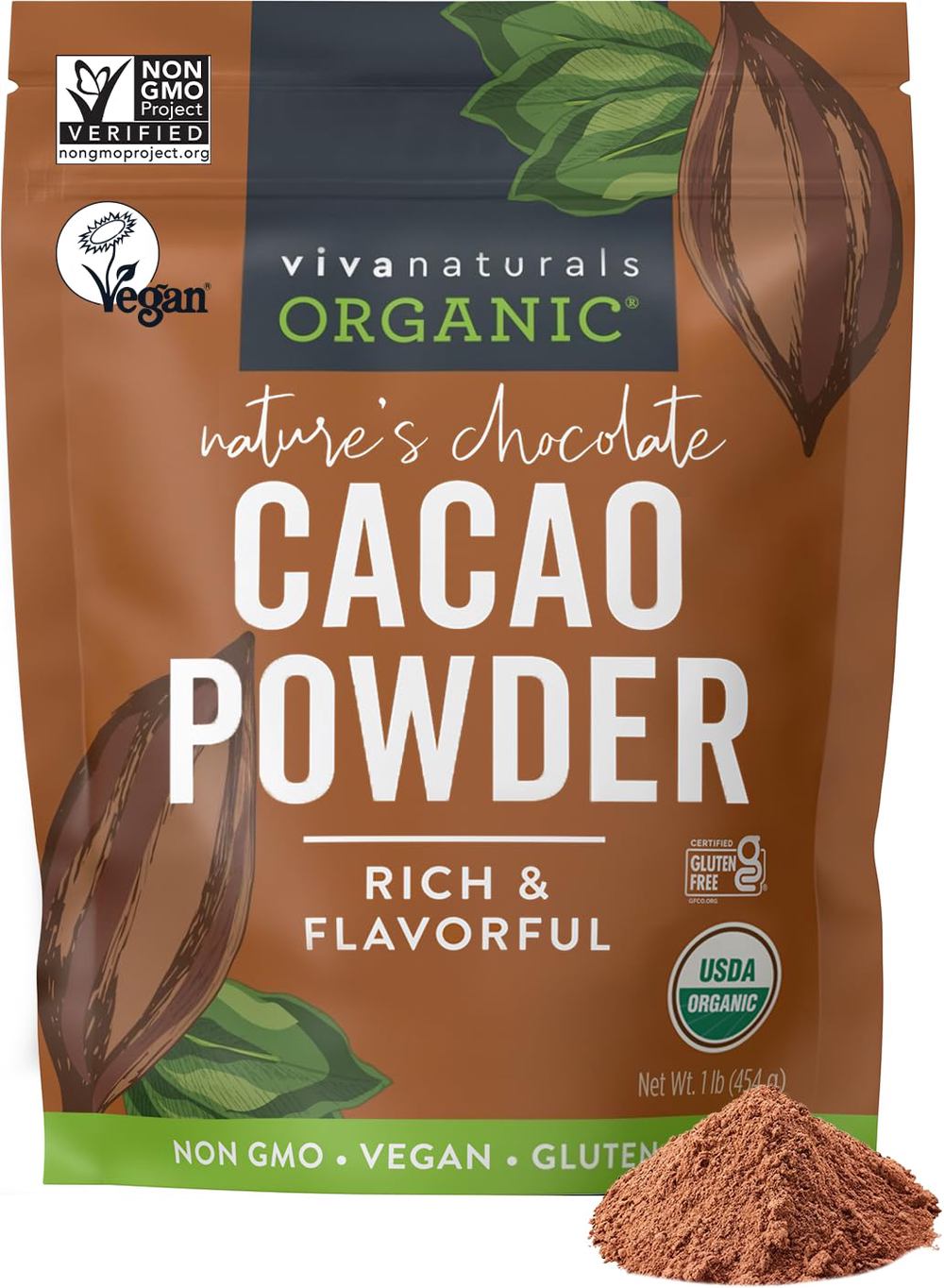
Food sources are generally more effective than supplements for steady absorption in this context, though both have a role. Prioritize dark leafy greens (spinach, Swiss chard), pumpkin seeds, almonds, cashews, black beans, avocado, and dark chocolate (70% cocoa or higher).
Magnesium also supports the adrenal glands, which can become overworked as your hypothalamic-pituitary-ovarian (HPO) axis recalibrates after years of exogenous hormones from the pill.
3. Fiber-rich carbohydrates for blood sugar and gut health
Many women with PCOS are told to cut carbs completely. That advice can backfire, especially during the post-pill period. Your body needs carbohydrates to produce energy and for thyroid function, which influences all other hormones. The key is choosing the right carbohydrates—those that come packaged with fiber.
Fiber slows the absorption of glucose into your bloodstream, preventing those sharp insulin spikes that worsen PCOS symptoms. It also feeds beneficial gut bacteria, which help regulate estrogen levels through the estrobolome—a collection of gut microbes that process estrogen. Whole food sources include lentils, chickpeas, oats, quinoa, barley, chia seeds, flaxseeds, and all vegetables.
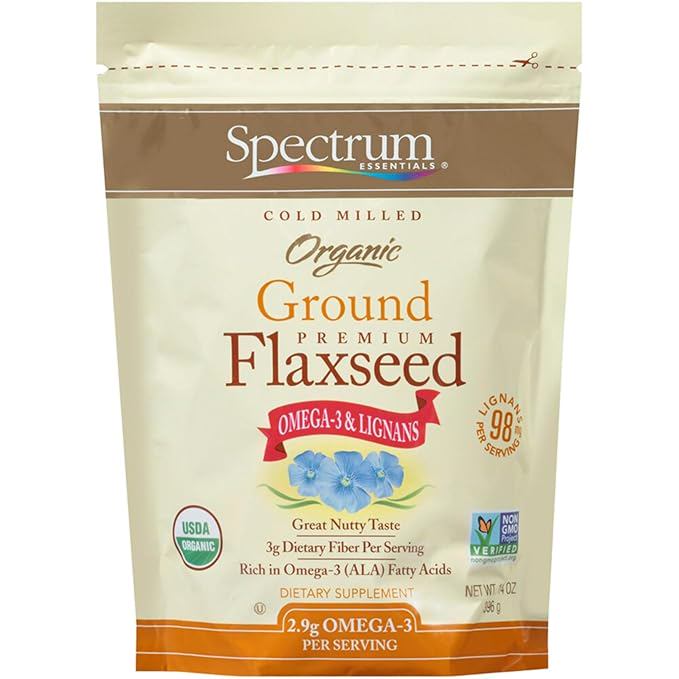
Flaxseeds are particularly noteworthy: they contain lignans that bind to estrogen receptors and can help modulate estrogen activity in a favorable direction. Ground flaxseed is more digestible than whole.
- Add a tablespoon of ground flaxseed to smoothies or oatmeal.
- Swap white rice for quinoa or barley in grain bowls.
- Snack on raw vegetables with hummus rather than crackers.
4. Zinc for ovulation and androgen balance
Zinc is one of the most critical minerals for reproductive health, and many women with PCOS have been shown to have lower zinc levels compared to controls. Zinc helps regulate the enzymes that convert androstenedione to testosterone, and it supports the maturation of ovarian follicles—both essential for regular ovulation.
Food sources include oysters (the richest known source), red meat (beef and lamb), pumpkin seeds, chickpeas, cashews, and eggs. For plant-based readers, maximizing zinc absorption matters: soak legumes and grains before cooking, and pair them with citric acid (lemon juice) or fermentation.
Because birth control pills can deplete zinc levels over years of use, replenishing this mineral is especially relevant during the first three to six months after stopping.
Putting it all together: what a day might look like
You don't need to eat all four categories in every meal. Think about weaving them across your day:
- Breakfast: Oatmeal with ground flaxseed, a handful of pumpkin seeds, and berries.
- Lunch: Large salad with arugula, shredded cabbage, chickpeas, and a lemon-tahini dressing.
- Dinner: Roasted salmon (optional for omega-3s) with steamed broccoli and a side of quinoa.
- Snack: A small square of dark chocolate and an apple, or a handful of almonds.
Hydration matters too—water supports all metabolic and elimination pathways. Aim for at least eight cups of water daily, and consider herbal teas like spearmint tea, which some research suggests may help lower free testosterone.
Remember: every body responds differently. What works for one woman with PCOS may not work for another. The post-pill period is a time of recalibration, not perfection. These food categories are tools to support your body as it finds its rhythm again—not a prescription. If you experience severe symptoms, prolonged amenorrhea, or significant mood changes after stopping birth control, consult a healthcare provider who understands PCOS.