For many women, coming off birth control pills brings an unwelcome reunion with polycystic ovary syndrome (PCOS) symptoms they had hoped were behind them. Acne, hair thinning, irregular cycles, and mood swings can resurge with a vengeance during what is informally called “post-pill PCOS.” While the condition itself involves a complex hormonal rebound, certain daily routines can quietly amplify the struggle—starting with how you begin your morning.
One surprisingly common morning habit can spike cortisol, disrupt blood sugar, and throw your already-sensitive hormones further off balance. Here is what is happening inside your body and how to change the pattern without starting your day feeling deprived.
The habit: skipping breakfast or choosing a stimulant-first start
The most common “morning habit” that worsens post-pill PCOS symptoms is not what you eat—it is what you don’t eat, combined with what you drink. Many women roll out of bed and reach for coffee or black tea on an empty stomach, sometimes followed by hours before their first real meal. This stimulant-first, food-late pattern triggers a cascade of hormonal responses that are particularly unhelpful for someone dealing with post-pill PCOS.
Why a stimulant on an empty stomach matters
Caffeine signals your adrenal glands to release cortisol and adrenaline—your body’s natural “go” hormones. In a healthy context, a morning coffee is fine. But when your system is already adapting to the absence of synthetic hormones from the pill, an abrupt cortisol spike can interfere with the delicate recovery of ovulation and menstrual regularity. Elevated morning cortisol can also lower progesterone production and increase insulin resistance, both of which are core concerns in PCOS.
Delaying food intake after that cortisol spike means your blood sugar is more likely to dip later, leading to energy crashes, cravings, and more insulin released when you finally eat. For a system trying to re-regulate itself, this is like adding turbulence to a bumpy landing.
The insulin connection: why timing of your first meal matters
Women with PCOS commonly have some degree of insulin resistance, meaning their cells do not respond as efficiently to insulin. The pill often masks or improves this by providing steady hormone levels. When you stop the pill, your natural insulin sensitivity can drop noticeably—sometimes up to 30–50% in the first few months, research suggests.
Eating a balanced breakfast within 90 minutes of waking can help stabilize blood sugar and reduce the insulin spike that follows later meals.
The reason is something called the “second-meal effect.” When you skip breakfast, your lunchtime glucose response is higher and more prolonged. If you do have breakfast—especially one with protein, fiber, and healthy fat—your blood sugar stays steadier all day. For post-pill PCOS, this is not about weight loss; it is about helping your ovaries get the signal to ovulate again. Insulin directly influences theca cells in the ovary, and lower insulin levels create a hormonal environment more supportive of regular cycles.
What a supportive breakfast looks like for post-pill PCOS
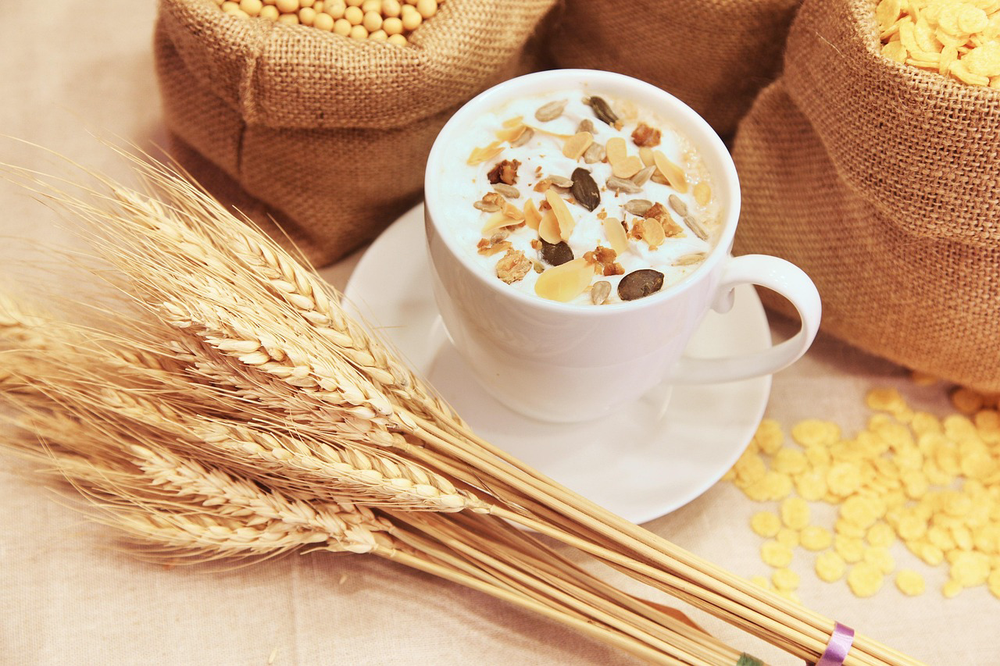
The goal is not a restrictive meal plan but a strategic one. Think of breakfast as your first dose of hormone support, not just fuel. Aim for the following combination:
- Protein: Eggs, Greek yogurt, tofu, or a clean protein powder. Protein helps release glucagon, which balances insulin.
- Fiber-rich carbohydrates: Oats, berries, chia seeds, or leafy greens. Fiber slows glucose absorption.
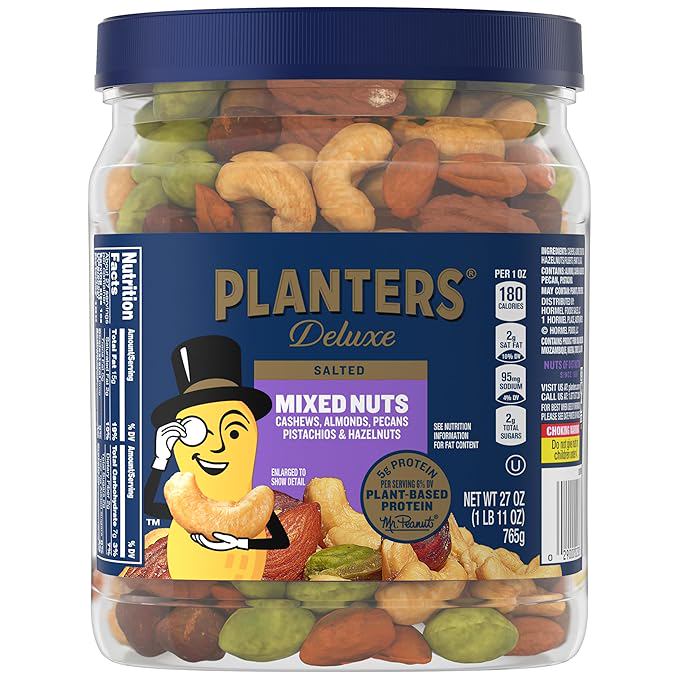
- Healthy fats: Avocado, nuts, seeds, or olive oil. Fat supports satiety and provides building blocks for hormone production.
A sample plate might be two eggs scrambled in olive oil with spinach, half an avocado, and a handful of berries. Or a smoothie with unsweetened almond milk, protein powder, flaxseed, and a handful of kale. What matters most is eating something substantial before or with your coffee, not after.
What about the coffee itself?
You do not need to give up caffeine. But consider a small timing change: eat your breakfast first, or at least a protein-rich snack, before your first cup of coffee. If you typically drink coffee on an empty stomach, try a 14-day experiment where you eat a 15–20 gram protein breakfast first and see if your energy and mood feel more even by mid-morning.
For those who are particularly sensitive, switching from coffee to green tea for a month can lower cortisol responsiveness while still offering some caffeine and antioxidants like EGCG, which may support metabolic health in PCOS.
The bigger picture: adrenal health and post-pill recovery
Your adrenal glands are part of the HPA axis (hypothalamic-pituitary-adrenal axis), which communicates directly with your ovaries. When the pill is removed, your body sometimes overproduces adrenal androgens like DHEA-S in the first months. High morning cortisol can add to that androgen load, making acne and hair loss worse.
Starting the day with intention—not with a cortisol spike—is a form of adrenal support. This includes getting natural light exposure within the first hour of waking (it helps set your circadian rhythm, which improves sleep and lowers baseline cortisol), and avoiding your phone or stressful news before you have eaten.
Signs your morning habit may be worsening your symptoms
How do you know if this applies to you? Look for these patterns:
- You feel shaky, irritable, or head-rushed by 10:30 or 11 a.m.
- You crave sugar or carbs intensely in the afternoon.
- You wake up tired despite sleeping enough.
- Your acne or hair loss has gotten worse since stopping the pill, especially in the first three months.
- You frequently skip breakfast because you are not hungry in the morning.
If several of these ring true, shifting your morning routine is a low-risk, high-potential-return change to try before turning to supplements or medications.
Post-pill PCOS recovery is rarely a straight line, and small lifestyle habits can either smooth or roughen the path. Changing how you start your day—prioritizing a real breakfast before or with your coffee—costs nothing and may quietly reduce the severity of symptoms over several cycles. Pair it with good sleep, stress management, and a nutrient-dense diet, and you give your body the best chance to find its new rhythm.