Breakfast is often called the most important meal of the day, but not all breakfast foods are created equal—especially when you're trying to lose weight. Many seemingly convenient options are packed with added sugars, refined grains, and unhealthy fats that can derail your progress before lunchtime.
We spoke with registered dietitians to identify five processed breakfast foods they consistently recommend avoiding. The goal isn't to shame anyone's morning routine, but to help you make swaps that actually support your goals.
1. Sweetened Yogurt Cups
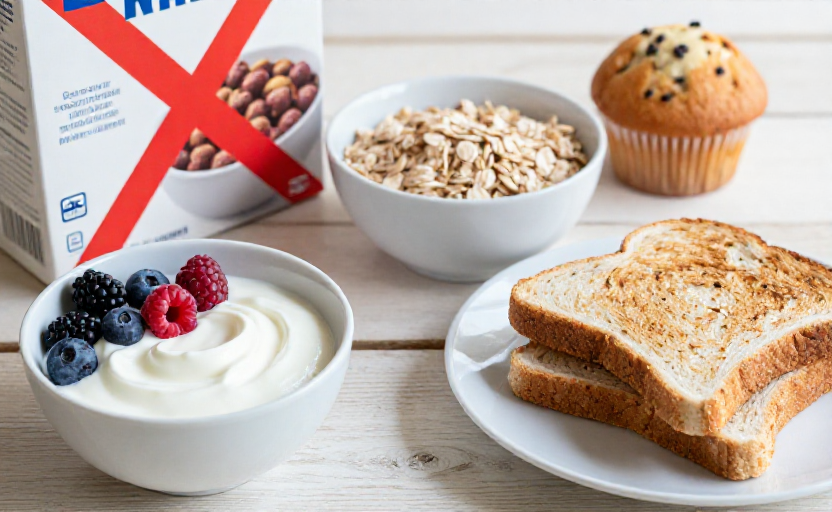
Yogurt can be a fantastic source of protein and probiotics, but the flavored, fruit-on-the-bottom varieties are often sugar bombs in disguise. A single serving can contain 15 to 25 grams of added sugar—that's as much as a candy bar. Dietitians point out that the sugar rush leads to a crash and subsequent cravings mid-morning.
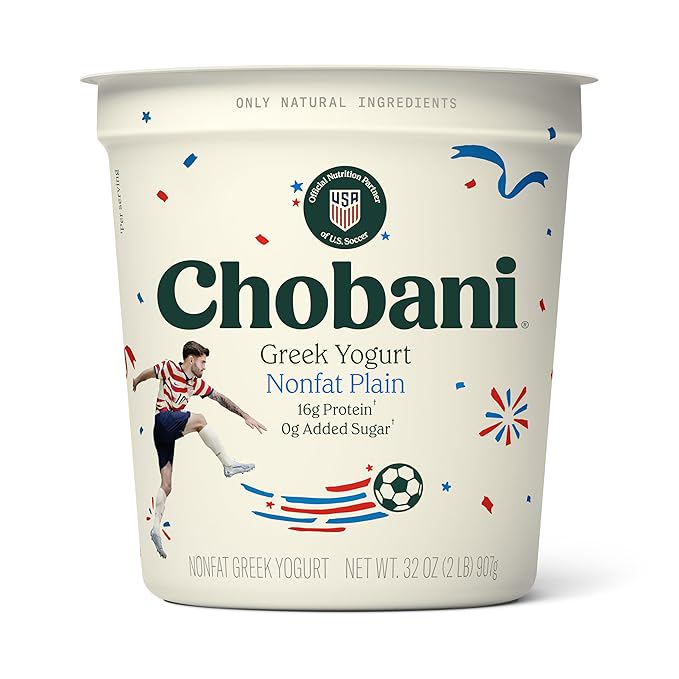
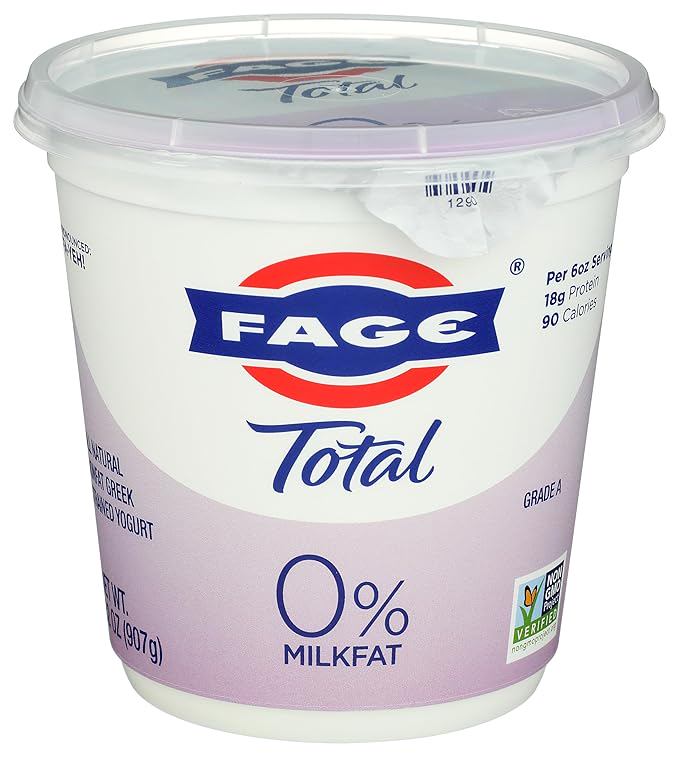
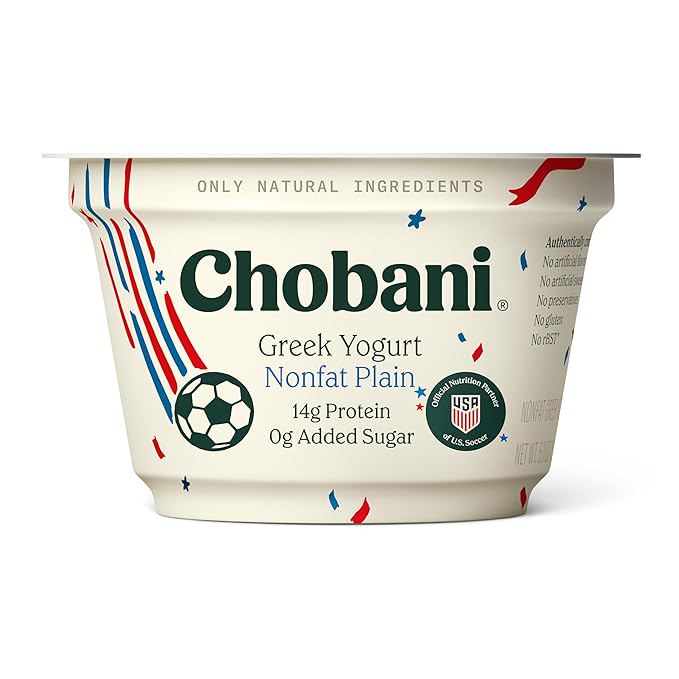
Instead, opt for plain Greek yogurt. It's higher in protein, lower in sugar, and you can sweeten it naturally with fresh berries or a sprinkle of cinnamon. Your blood sugar—and your waistline—will thank you.
2. Sugary Cereals (Even the "Healthy" Ones)
Those brightly colored boxes aren't the only culprits. Many cereals marketed as "whole grain" or "low fat" are still loaded with added sugar. The cereal grain is typically highly processed, meaning it digests quickly and spikes your blood glucose, leaving you hungry again within an hour or two.
Dietitians suggest scanning the ingredient list. If sugar (or any of its 56 aliases) appears in the first three ingredients, it's a pass. Choose oatmeal (steel-cut or rolled) or a high-fiber, low-sugar cereal with at least 5 grams of fiber and fewer than 6 grams of sugar per serving.
3. Frozen Pancakes and Waffles
Pop them in the toaster and you have breakfast in 90 seconds. But the convenience comes at a cost. Most frozen pancakes and waffles are made with refined white flour, added sugars, and hydrogenated oils. They have minimal fiber and protein, setting you up for a blood sugar roller coaster that can stall weight loss.
A better option: make a batch of whole-grain pancakes or waffles on Sunday and freeze them yourself. That way, you control the ingredients while still keeping your busy mornings easy.
4. Flavored Instant Oatmeal Packets
It's easy to think of oatmeal as a health-food staple. But flavored instant oatmeal packets are a different story. They're often loaded with added sugar—some varieties pack 12 grams or more per packet. The oats themselves are also rolled thin and pre-cooked, which means they have a higher glycemic index than steel-cut oats, causing a quicker blood sugar spike.
For a truly weight-loss-friendly breakfast, buy plain rolled or steel-cut oats. Add your own flavor with nut butter, fruit, and a dash of vanilla. You'll get steady energy that lasts.
5. Store-Bought Muffins
Whether from the coffee shop or the supermarket bakery, those large, fluffy muffins are really cupcakes disguised as breakfast. A single muffin can contain 400 to 600 calories and 40 to 50 grams of sugar. They're made with refined flour and loads of butter or oil, and they offer minimal protein or fiber to keep you full.
Dietitians recommend skipping them entirely. If you truly love a morning muffin, bake them at home using whole-wheat flour, unsweetened applesauce, and a modest amount of natural sweetener like honey. Portion control matters too—make them in a standard 12-muffin tin, not the giant ones.
The common thread among these five foods is that they are all low in protein, low in fiber, and high in sugar or refined carbs. That combination makes it harder to maintain a calorie deficit because it leaves you hungry and craving more sugar. By swapping these processed options for whole-food alternatives with protein and fiber, you'll set yourself up for better energy, fewer cravings, and more sustainable weight loss.