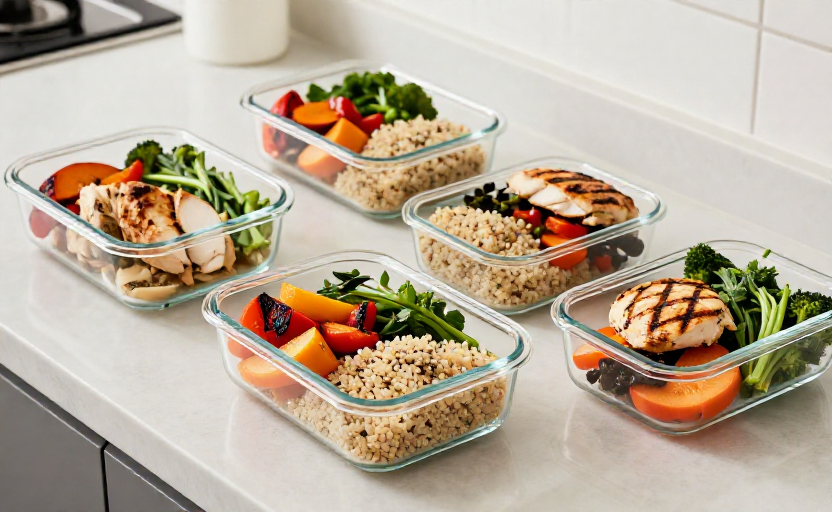
Meal prep is often held up as the golden ticket to weight loss. The logic is simple: if you have a healthy, pre-portioned meal ready to go, you will not reach for the takeout menu or snack mindlessly. But here is the uncomfortable truth—not all meal prep is created equal. In fact, some common strategies can quietly sabotage your progress, leaving you frustrated and stuck.
We spoke to registered dietitians about the most frequent meal prep errors they see in their practice. These are the subtle shifts that can turn a well-intentioned routine into a weight loss plateau. The good news? Once you know them, they are easy to fix.
1. You Are Cooking Everything at Once—and Batching Yourself Out
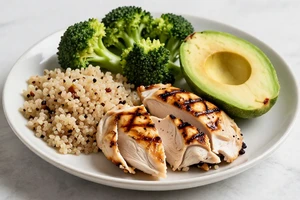
It feels efficient to spend a Sunday afternoon cooking five identical containers of chicken, rice, and broccoli. But from a nutritional and psychological standpoint, this approach has two significant drawbacks.
First, monotony leads to boredom. When you face the same plate day after day, your brain craves sensory variety. That craving often drives you to seek out snacks or desserts that you would not normally reach for if your meals had more flavor and texture. Dietitians call this meal fatigue, and it is a real driver of off-plan eating.
Second, locking in every meal removes flexibility. If your energy needs shift because you exercised harder one day or felt less hungry on another, a rigid batch leaves no room for adjustment. You end up eating the same portion regardless of your actual hunger.
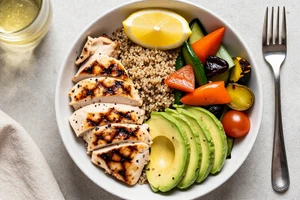
Tip: Prep components, not entire meals. Cook a large batch of protein (grilled chicken or tofu), a whole grain (quinoa or farro), and roasted vegetables separately. Then mix and match throughout the week with different sauces, spices, and healthy fats.
2. You Are Ignoring Protein at Breakfast and Snacks
A common meal prep mistake is focusing all your protein efforts on lunch and dinner while leaving breakfast and snacks to carbs alone. A pre-packed container of overnight oats made with water and a bit of fruit sounds healthy, but it can lack the staying power you need.
Dietitians point out that distributing protein evenly across the day supports stable blood sugar and reduces cravings later on. When your morning meal is mostly carbohydrate, you will likely feel hungry again within two hours, which leads to unplanned snacking. By lunchtime, you are so hungry that your carefully prepped portion feels insufficient.
The fix is simple: add a protein source to every prepped breakfast and snack. Stir protein powder, Greek yogurt, or cottage cheese into oats. Pre-portion hard-boiled eggs, edamame, or turkey roll-ups for snacks. This one change can make your entire meal prep plan more effective for weight management.
3. Your Portions Are Guesses Instead of Measurements
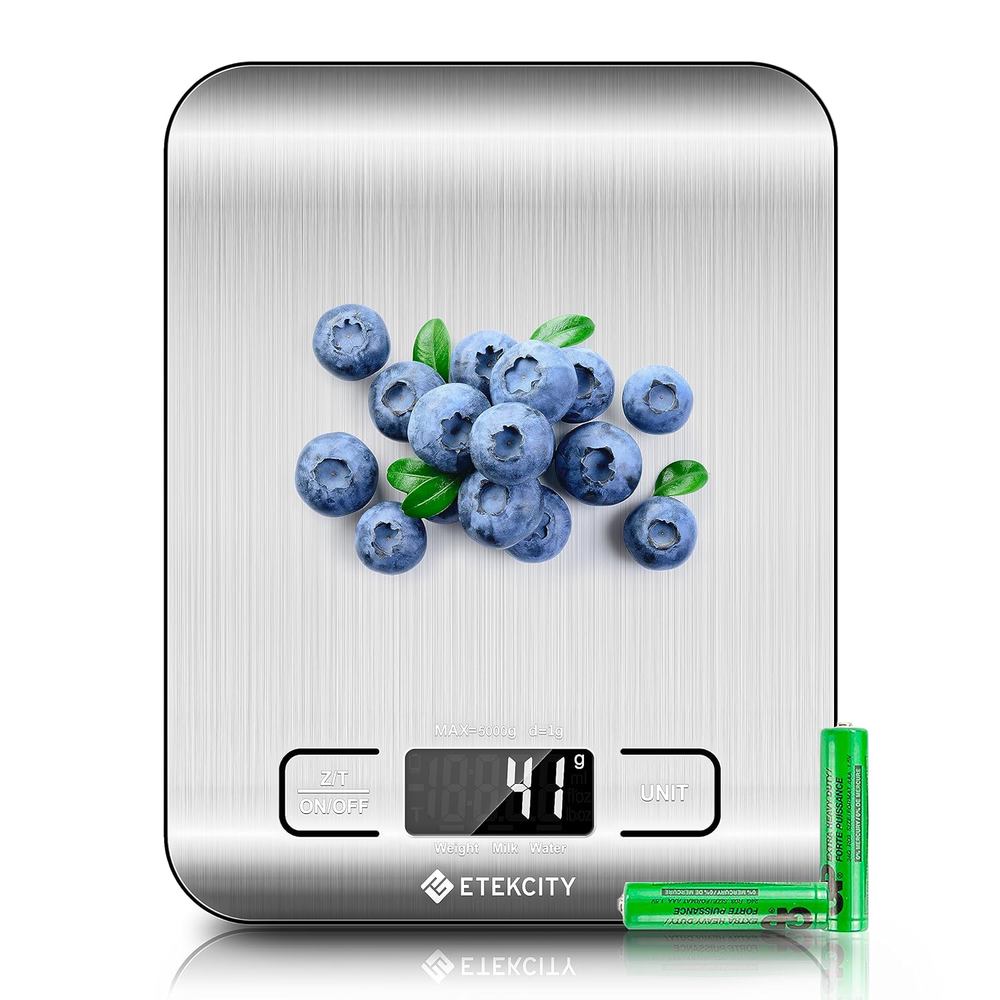
Meal prep works best when you know exactly how much you are eating. The mistake many people make is eyeballing portions. A "handful" of almonds can vary by 100 calories. A generous pour of olive oil for roasting vegetables can add several hundred calories to a single meal without obvious volume.
One dietitian noted that clients often report eating "healthy" food but not losing weight. When they start measuring, they discover they are consuming significantly more oil, nut butter, or grains than they realized. These calorie-dense ingredients add up fast, even inside wholesome meals.
Use measuring cups, a kitchen scale, or pre-portioned containers for at least the first two weeks. Once you internalize what a true serving of rice looks like versus what your brain thinks it should be, you can become more intuitive. But guessing from the start is a recipe for overeating, not weight loss.
4. You Are Loading Up on Low-Nutrient Foods to Save Calories
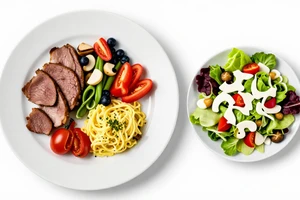
There is a trap in diet culture that equates low-calorie with good. You might fill half your container with celery, cucumber, and lettuce because they are virtually calorie-free. While vegetables are essential, not all calories in the meal are created equal in terms of satiety.
The problem is that volume without density leaves you physically full but not nutritionally satisfied. Twenty minutes after eating a massive salad, you may feel hungry because your blood sugar did not stabilize and your body did not get enough protein, fat, or complex carbohydrates. This hunger often drives you to snack shortly after.
Instead of prioritizing the lowest-calorie vegetables, aim for a balance. Each meal should include a protein source, a starchy or non-starchy carbohydrate, and a source of fat to tell your brain you have truly eaten. Vegetables are wonderful, but they should not crowd out the components that provide lasting fullness.
5. You Are Prepping Too Far in Advance
Saving time by prepping for an entire week sounds smart, but fresh ingredients degrade significantly by day four or five. Leafy greens become soggy. Cut avocado browns. Cooked fish turns dry and unappealing. When your prepped food looks and tastes unappealing, the likelihood of ordering takeout skyrockets.
Dietitians suggest a more realistic approach: prep for no more than three to four days. If you want to cover the full week, plan a mid-week session of 30 minutes to refresh your prepped items. This also allows you to adjust your portions based on your actual hunger and activity levels from earlier in the week.
Another option is to freeze half of your prepared meals. Freeze soup, chili, or casseroles directly. For ingredients like cooked grains or shredded chicken, they freeze and thaw well. This extends the life of your prep without sacrificing quality.
Meal prep is a powerful tool for weight loss, but only when it is matched with strategy. By avoiding these five common pitfalls—monotony, imbalanced protein, guessing portions, low-nutrient volume, and overprepping—you can turn your Sunday routine into a genuine asset for reaching your goals. Small tweaks lead to consistent habits, and consistent habits produce results.