You’re doing all the right things. You’re eating more vegetables, drinking more water, and you’ve swapped your afternoon cookie for a piece of fruit. The scale, however, hasn’t budged for weeks. It's frustrating. More often than not, the culprit isn’t a lack of willpower—it’s the silent sabotage happening inside foods that look perfectly healthy.
Processed ingredients have a way of sneaking past our radar. They don’t taste like chemicals; they taste like flavor. But these additives, thickeners, and sweeteners are designed to keep you eating, disrupt your metabolism, and send your hunger signals haywire. Here are five of the most common hidden ingredients that might be stalling your weight loss, and how to spot them on the label.
What is Maltodextrin and why is it in my salad dressing?
Maltodextrin is a white powder derived from corn, rice, or potato starch. It’s cheap, easy to produce, and incredibly effective at adding texture and shelf-life to processed foods. You’ll find it in sugar-free snacks, protein bars, flavored nut mixes, and yes, even “light” salad dressings.
The problem? Maltodextrin has a higher glycemic index (GI) than table sugar. This means it spikes your blood sugar and insulin levels rapidly. When insulin surges, your body gets a clear signal to stop burning fat and start storing it. Because maltodextrin is flavorless, it’s easy to consume a significant amount without realizing it. Look for it in the ingredient list under its name, or hidden within “natural flavors.”
The soy lecithin trap in your chocolate
Soy lecithin is an emulsifier that prevents ingredients from separating. It’s what keeps your chocolate bar smooth and your nut butter from turning into a solid brick. On paper, it seems harmless. The issue isn’t the lecithin itself, but what it represents: heavily processed oils and fillers used in cheap formulations.
Many low-calorie or diet-friendly sweets use soy lecithin to replace real cocoa butter (the healthy fat). This lowers the quality of the fat profile, making you feel less satisfied. You eat the whole bar looking for that “full” feeling but never get it. This leads to overeating later. If a chocolate bar lists soy lecithin near the top of the ingredients, be wary—it’s likely a highly processed product with minimal nutritional payoff.
Disodium inosinate and guanylate: The MSG cousins
You know MSG (monosodium glutamate), but have you heard of its less-publicized partners? Disodium inosinate and disodium guanylate are flavor enhancers that work synergistically to make food taste savory and rich.
They are found in bouillon cubes, flavored rice packets, seasoned potato chips, and—crucially—many “low-fat” soups and broths. Because these ingredients trick your brain into thinking the food is more protein-rich than it actually is, they can override your natural satiety signals. You are likely to eat more of a snack containing these enhancers before your brain registers that you are full. They are often hidden under the blanket term “natural flavors,” so if a low-fat product tastes suspiciously good, check the label carefully.
Modified food starch in your “lean” meals
Frozen lean meals and diet shakes rely heavily on modified food starch to create a creamy texture without using cream or butter. The starch is chemically treated to withstand freezing and reheating without breaking down.
While it’s not always dangerous, modified food starch acts very similarly to refined white flour in the body. It is a fast-digesting carbohydrate that lacks fiber. It can spike your blood sugar, and because it has been stripped of its natural structure, it does not signal the same satiety signals that whole foods do. You might eat a 300-calorie frozen meal that contains modified starch and feel hungry again an hour later. Look for it in the ingredient list; if it appears more than once (often in both the sauce and the starch side dish), you’re getting a double dose of empty carbs.
Carrageenan: The gut-disrupting thickener
Carrageenan is extracted from red seaweed and used as a thickener and stabilizer in dairy alternatives (like almond milk), cottage cheese, ice cream, and even some organic “clean” protein drinks. It seems natural enough, but research suggests it can cause gut inflammation in sensitive individuals.
Gut inflammation is a direct enemy of weight loss. An inflamed gut lining absorbs nutrients poorly and can lead to bloating, water retention, and irregular digestion. Many people mistake this bloat for fat gain, when in reality, their digestive system is simply irritated. If you find that you bloat after drinking a smoothie or eating a low-fat yogurt, check for carrageenan. Many brands now offer carrageenan-free versions.
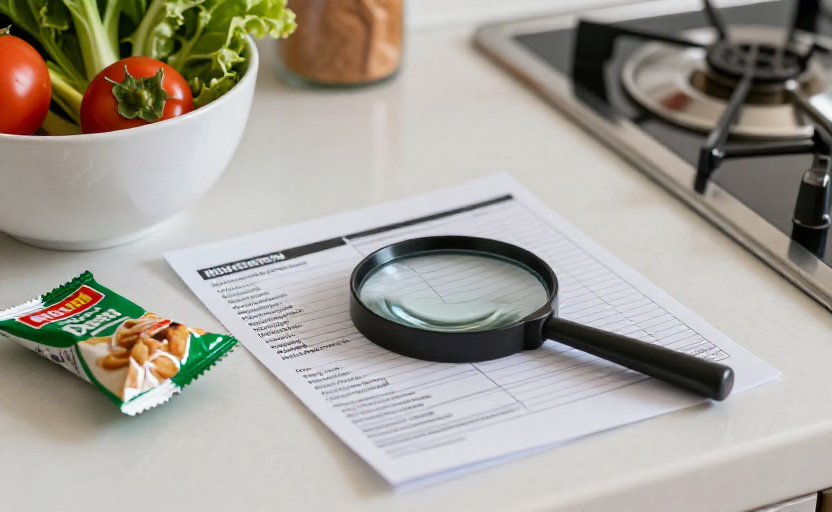
How to read labels like a detective
The easiest way to avoid these ingredients is to shop the perimeter of the grocery store where fresh produce, meat, and dairy live. But if you need packaged items, flip the package over. Ignore “net carbs” and “low sugar” on the front. Look at the ingredient list. If it’s longer than three lines, or contains words you cannot pronounce, it’s likely processed enough to derail your efforts.
Pay close attention to the serving size. A “low calorie” dressing might only be low calorie if you use one tablespoon. Most people pour three or four. The hidden processed ingredients are designed to keep you from feeling satisfied with one serving.
A simple swap strategy
You do not need to become a paranoid label-reader for life. Start with the five ingredients above. Check the things you eat most often: your coffee creamer, your go-to snack bar, your salad dressing, and your “healthy” crackers. If any of them contain these additives, find a cleaner alternative. There are great brands that use whole-food thickeners like oat flour or sunflower lecithin instead of the processed versions.
Small note on expectations: Cutting out these ingredients is not a magic cure. You will not lose weight overnight because you stopped eating soy lecithin. But you will likely notice fewer cravings, better satiety after meals, and less random bloating. Those changes make it much easier to stay consistent with your diet.
If you eliminate these five additives and still feel stuck, it might be time to look at meal timing or portion sizes. But for many dieters, just learning to identify these hidden ingredients unlocks the door to a lighter, less bloated, and more manageable weight loss journey.