
Hard water is a common household reality for millions of people, and its high mineral content—particularly calcium and magnesium—can leave a stubborn film on your scalp and hair. That film often leads to dryness, flaking, and relentless itching. While a chelating shampoo or a water softener can help, what you eat matters just as much. Dermatologists point to several nutrient-rich foods that support the scalp's barrier and reduce inflammation, making them especially helpful if hard water is irritating your skin.
The connection between diet and scalp health is straightforward. Certain foods provide fatty acids, zinc, and vitamins that calm the skin, regulate oil production, and strengthen the hair follicle. When hard water strips away natural oils, these nutrients become even more critical. Below are five foods that dermatologists recommend incorporating into your routine to help calm an itchy, hard-water-agitated scalp.
1. Fatty fish like salmon and mackerel
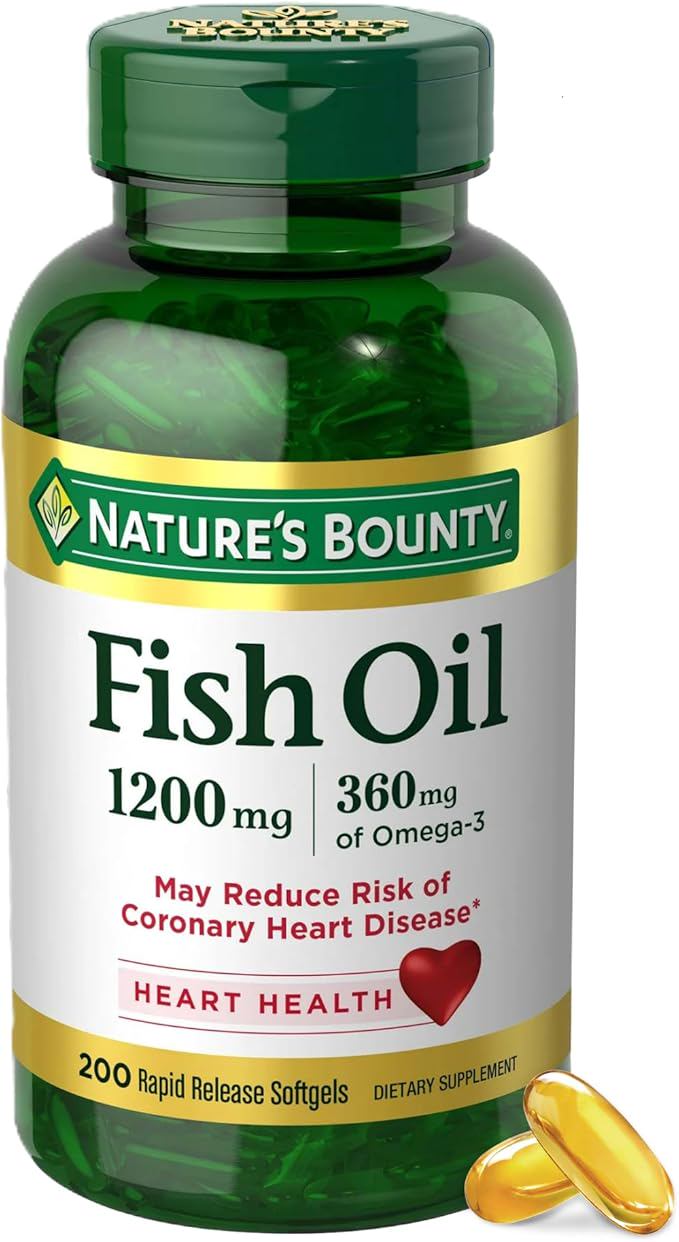
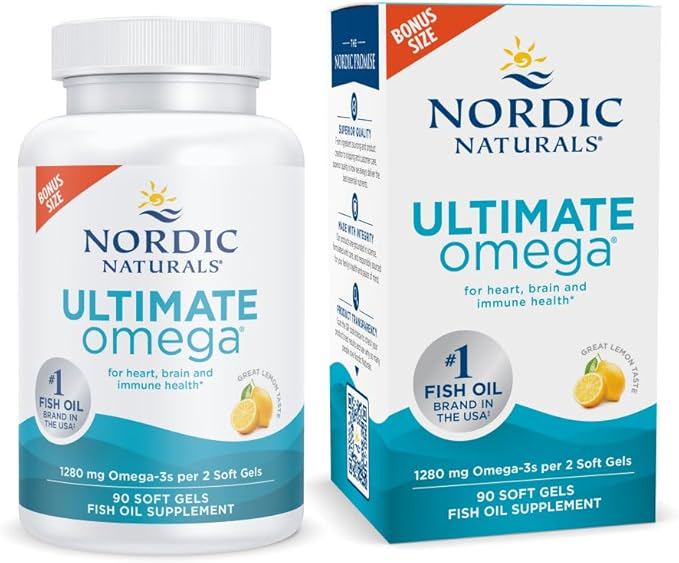
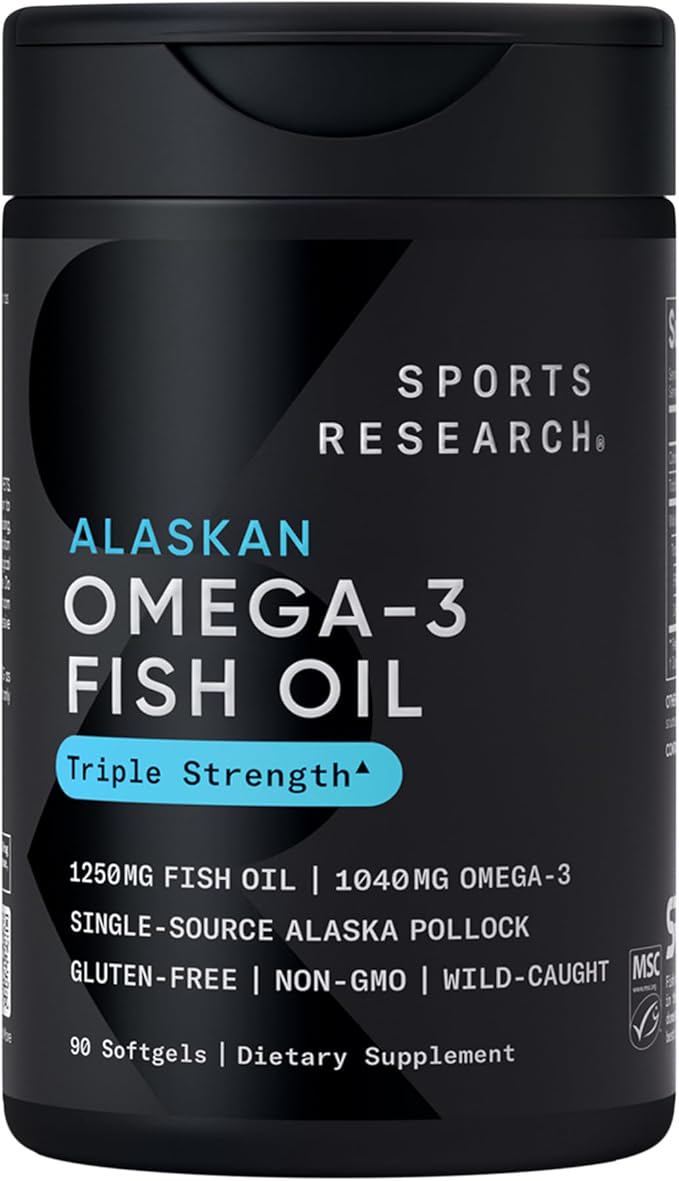
Fatty fish are rich in omega-3 fatty acids, which have potent anti-inflammatory properties. For a scalp already angry from mineral buildup, omega-3s help reduce redness, itching, and flaking. A 3-ounce serving of wild salmon provides more than 1,500 mg of omega-3s. Mackerel, sardines, and herring are excellent alternatives. If fish isn't your thing, a high-quality fish oil supplement can serve as a backup, though whole food sources also deliver vitamin D and protein that support hair structure.
2. Avocados
Avocados are a dual threat for scalp health. They pack healthy monounsaturated fats that help restore the skin's lipid barrier, which hard water tends to disrupt. They are also one of the best dietary sources of vitamin E, a fat-soluble antioxidant that protects the scalp from oxidative stress and dryness. Since hard water can leave the scalp feeling tight and crusty, the emollient effect of avocado—whether eaten or applied in a mask—can bring noticeable relief. One medium avocado gives you roughly 20% of your daily vitamin E needs.
3. Pumpkin seeds
Zinc is a mineral often recommended by dermatologists for itchy, inflamed scalps, and pumpkin seeds are one of the richest plant-based sources. Zinc helps regulate sebum production and supports the skin's natural healing processes. Studies show that low zinc levels are linked to seborrheic dermatitis, a condition that hard water can worsen. A quarter-cup of pumpkin seeds provides almost 20% of the daily value for zinc, along with magnesium and iron. Roasted pumpkin seeds make an easy snack, or you can grind them into a powder and add them to smoothies.
4. Greek yogurt
Greek yogurt is high in protein and a good source of biotin, a B vitamin essential for healthy hair and skin. Biotin deficiency can manifest as a dry, irritated scalp. While hard water doesn't directly deplete biotin, it can exacerbate existing dryness, making adequate intake more important. Greek yogurt also contains probiotics that support gut health, and emerging research suggests a balanced gut microbiome can reduce systemic inflammation, which may show up on the scalp. Look for plain, unsweetened Greek yogurt to avoid added sugars that could worsen inflammation.
5. Sweet potatoes
Sweet potatoes are loaded with beta-carotene, which the body converts into vitamin A. This vitamin is crucial for cell turnover and the production of sebum—the scalp's natural oil. Hard water can strip away sebum, leaving the scalp dry and prone to itching. The vitamin A from sweet potatoes helps maintain a moisturized, resilient scalp. One medium sweet potato provides more than 400% of the daily value for vitamin A. Roast them as a side dish or blend them into soups for a gentle, anti-inflammatory boost.
A note on application: While these foods are most effective when eaten regularly as part of a balanced diet, some can also be used in DIY hair masks. For example, mashed avocado mixed with plain yogurt makes a soothing scalp treatment. However, dietary changes tend to have a more sustained effect than topical masks alone.
Why hard water makes the scalp itch
Hard water contains dissolved minerals—primarily calcium and magnesium carbonates. When you wash your hair, these minerals combine with shampoo to form a soap scum that doesn't rinse away easily. This residue builds up on the scalp over time, clogging pores and disrupting the pH balance. The result is a dry, irritated, often itchy scalp that may look flaky even when it isn't dandruff. Many people mistake this for dandruff and use stronger anti-dandruff shampoos, which only exacerbate the dryness. That's why adding anti-inflammatory, nutrient-dense foods to your diet can be a gentler and more effective long-term strategy.
How to pair these foods with your routine
The dermatologists we consulted recommend eating these foods consistently, not just as occasional fixes. Aim for two servings of fatty fish per week, a handful of pumpkin seeds daily, and at least one serving of avocados or sweet potatoes every other day. Pairing this with a clarifying shampoo designed for hard water—one that contains a chelating agent like EDTA or sodium phytate—can help remove mineral buildup without stripping your scalp excessively. If the itching persists after several weeks of dietary changes and a better shampoo routine, it may be worth consulting a board-certified dermatologist to rule out conditions like psoriasis or contact dermatitis.
Ultimately, hard water doesn't have to mean a constantly itchy scalp. By choosing the right foods, you give your skin the tools it needs to defend itself, repair its barrier, and stay comfortable even when your tap water is less than ideal.