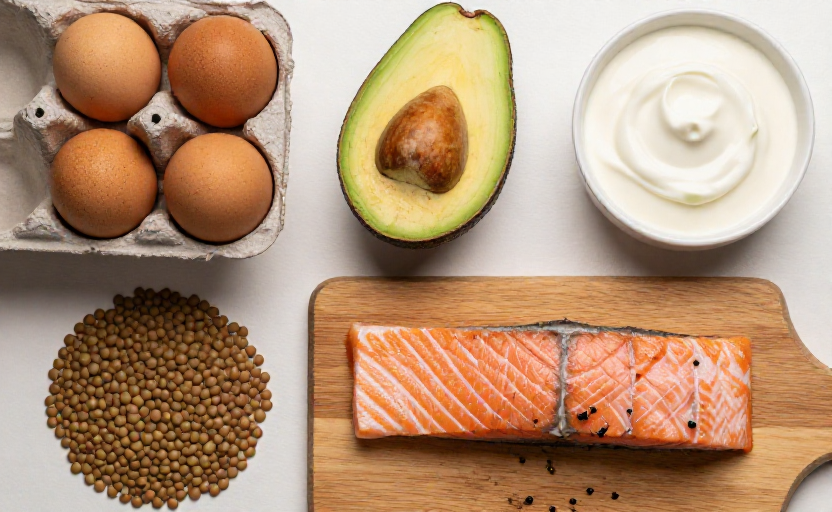
Balancing your macronutrients—protein, carbohydrates, and fats—often feels like a math problem you didn’t sign up for. Food scales, apps, and endless tracking can turn every meal into a chore. But what if you could nudge your ratios back in line just by choosing the right foods? These five whole foods naturally support a better macronutrient balance, no counting required.
Think of them as gentle course-corrections. Each one brings a strong profile of one or two macros while being low in the macro you’re probably overdoing. Add them to your meals and watch your plate become more balanced without a single number logged.
1. Eggs: The Protein-and-Fat Anchor
Eggs are a near-perfect portable package. One large egg delivers about 6 grams of high-quality protein and 5 grams of fat, with less than 1 gram of carbohydrate. That makes them an excellent tool for shifting a carb-heavy breakfast or snack toward more protein and healthy fats. They’re also versatile—scrambled, poached, or hard-boiled—so they slot into your routine without fuss.
2. Avocado: Healthy Fats That Crowd Out Empty Carbs
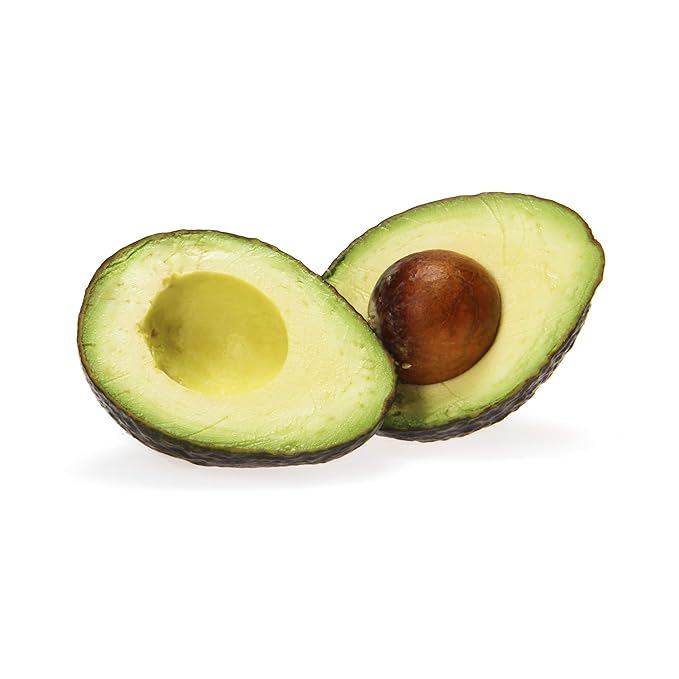
Avocado is mostly monounsaturated fat, plus a decent hit of fiber. Half an avocado provides roughly 15 grams of fat, 7 grams of fiber, and only about 2 grams of net carbs. Swapping a slice of toast or a sugary snack for avocado on a rice cake or salad naturally lowers your carbohydrate load while boosting your fat intake. It’s a simple swap that helps rebalance your plate toward fewer refined carbs and more nutrient-dense fat.
3. Greek Yogurt (Plain): Protein Without the Sugar Spike
Plain Greek yogurt is a concentrated protein source—about 15–20 grams per serving—with minimal carbs and fat (if you choose nonfat or low-fat). Unlike flavored yogurts loaded with added sugar, plain Greek yogurt lets you control your carbohydrate intake. Use it as a base for savory dips, a topping for baked potatoes, or a simple bowl with berries. It pulls your protein percentage higher without requiring a calculator.
4. Lentils: Slow-Burning Carbs Paired with Plant Protein
Lentils are unique because they bundle carbohydrates with a substantial amount of protein and fiber. One cup of cooked lentils provides about 18 grams of protein and 16 grams of fiber, alongside 40 grams of total carbs. The fiber slows digestion, so the energy release is steady. That makes lentils a smart choice for anyone who wants to keep carbs in check while still getting plenty of plant-based protein. They replace simple starches like white rice or pasta with a more balanced macro profile.
5. Fatty Fish: The Ultimate Protein-and-Omega-3 Combo
Salmon, mackerel, and sardines deliver a double hit: high-quality protein (20–25 grams per 3-ounce serving) and abundant omega-3 fatty acids. They contain virtually no carbohydrates. Eating fatty fish a few times a week naturally elevates your protein and fat intake while leaving your carb count unchanged. It’s a straight swap for leaner proteins or carb-heavy mains. Plus, the omega-3s support heart and brain health.
These five foods work as macro-corrector tools. They nudge your daily ratios toward more protein and healthy fats, and away from empty carbs, without asking you to track a single gram. Start by adding one to a meal you normally lean heavy on carbs—like swapping your morning cereal for eggs—and notice how your energy and satiety change. Over time, these small shifts add up to a much more balanced diet.