You reach for a snack without thinking. It feels like a small reward, a quick comfort, or just something to do with your hands while you work. But some of the foods we grab most often can actually fuel the very stress we are trying to soothe. The connection between what we eat and how we feel is real, and a few common ingredients can set off a cycle that leaves us feeling more wound up than before.
Here are five foods that can quietly drive stress eating, often without us realizing what is happening.
Refined Sugary Snacks and Drinks
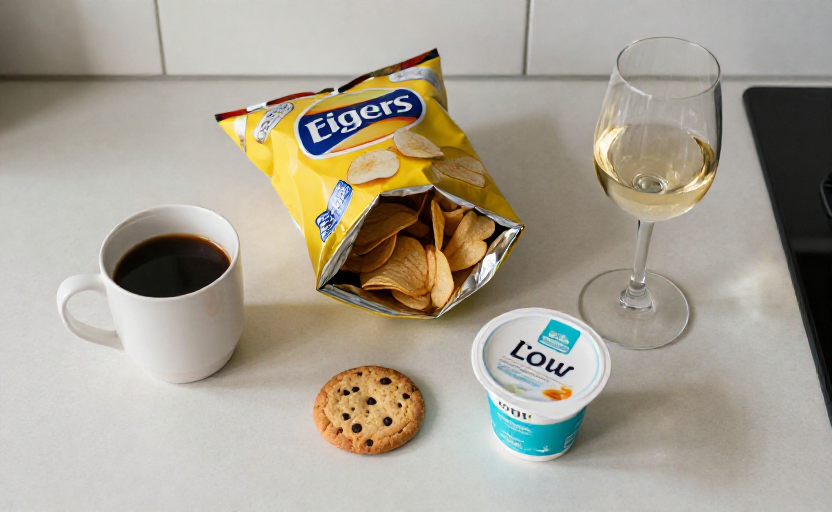
A cookie or a can of soda gives you a fast spike in blood sugar. That rush feels good for a moment because your brain releases dopamine and a temporary lift in energy. But what goes up must come down. When your blood sugar crashes, your body releases cortisol and adrenaline to compensate. That hormonal rebound can mimic the feeling of anxiety or nervous tension. The result is often a craving for more sugar to flatten the crash again—a loop that keeps stress hormones elevated throughout the day.
It is not just candy and pastries. White bread, white rice, and many breakfast cereals act the same way in your body, breaking down quickly into sugar and triggering the same cycle.
Highly Processed Salty Snacks
Chips, pretzels, and packaged crackers are engineered to be easy to eat in large quantities. Beyond the salt and fat, these foods are typically low in the nutrients your brain needs to regulate mood, such as magnesium, B vitamins, and healthy fats. Eating a bag of chips might give you a salty satisfaction for a few minutes, but it does little to stabilize your nervous system. In fact, a diet high in ultra-processed foods has been linked in research to higher perceived stress levels and a greater likelihood of mood swings.
The crunch can be satisfying, but the nutritional emptiness leaves your body still searching for real nourishment—and that search often leads to another handful.
Caffeinated Beverages in Excess
Coffee, energy drinks, and strong black tea are go-to choices for staying alert. But when you drink them throughout the day, especially on an empty stomach, caffeine stimulates the release of cortisol and epinephrine. These are the same chemicals that fire up during a stressful event. If your body is already under pressure from work, lack of sleep, or daily demands, adding more caffeine can push your system into a state of low-grade hyperarousal. That jittery feeling is easy to mistake for hunger or the need to eat something to settle down.
Many people respond to caffeine-induced unease by reaching for a carb-heavy snack, which then starts the blood-sugar roller coaster all over again.
Low-Fat or Diet Labeled Foods
Foods marketed as low fat, light, or diet often compensate for removed fat with added sugar, artificial sweeteners, or refined starches to maintain flavor and texture. Artificial sweeteners, in particular, can confuse the brain’s reward system. They provide sweetness without the expected calories, which may leave your appetite unsatisfied and increase cravings for more sweet or calorie-dense foods later in the day. This mismatch can make it harder to feel full and content after eating, nudging you toward constant snacking as you try to feel satisfied.
Yogurts with fruit on the bottom, reduced-fat peanut butter, and light salad dressings are common examples where the “healthy” label can hide a stress-eating trigger.
Alcohol in the Evening
A glass of wine or a beer is a common way to unwind after a long day. Alcohol initially depresses the central nervous system, which can create a relaxing sensation. But as your body metabolizes it, sleep quality often suffers. Poor sleep is one of the strongest drivers of increased cortisol the next day. You wake up tired, your appetite-regulating hormones get thrown off, and your brain craves quick energy in the form of sugar or refined carbs. This sets you up for a day of stress eating before you have even had breakfast.
That nightly drink might feel like stress relief, but it can be quietly fueling a cycle of daytime cravings and heightened tension.
Recognizing these patterns is the first step. You do not have to cut any of these foods out completely. Simply noticing how they affect your mood and your urge to eat can help you make more intentional choices. When you fuel your body with stable blood sugar, enough protein, healthy fats, and whole foods, your stress response naturally becomes easier to manage. Small shifts—like pairing a piece of fruit with a handful of nuts instead of a granola bar, or having sparkling water with lime instead of a second cup of coffee—can break the cycle without feeling like a deprivation.