
You’re doing the work: measuring portions, logging every bite, hitting your targets by bedtime. Yet the scale doesn’t budge — or worse, it inches up. Before you blame your metabolism, take a closer look at your food diary. Small, silent errors in how you track can quietly undo your efforts.
Food journaling is one of the most powerful tools for weight loss — but only if you do it right. Here are five common mistakes that may be holding you back, and how to fix them so your journal works for you.
Mistake #1: You Only Track Weekdays
It’s tempting to skip logging on Saturday. You tell yourself you’ll “be good” and start fresh Monday. But those unlogged weekend meals often contain the very calories, sodium, and sugar that stall progress.
The fix: Treat every day the same — or at least log honestly. Research suggests people underestimate weekend intake by 30–40 percent. If you need a break from strict tracking, at least jot down a quick note of what you ate. That awareness alone can prevent the weekend from undoing five days of effort.
Mistake #2: You’re Forgetting the “Little” Things
The splash of cream in your coffee. The handful of almonds you grabbed while packing lunch. The “just one” bite of your kid’s mac and cheese. Individually, these are tiny. But they add up fast — sometimes to 300–500 extra calories a day.
The fix: Log everything, even if you feel silly. Use the “quick add” function if you’re short on time. Over a week, those small entries can reveal surprising patterns — like the 200-calorie latte you have every afternoon, or the stress-eating crackers you didn’t notice until you saw them in writing.
Mistake #3: You Guess Portions Instead of Measuring
“That looks like a cup of rice.” “This chicken breast is about 4 ounces.” Even experienced trackers are notoriously bad at eyeballing. A tablespoon of peanut butter can look more like two when you’re hungry. And that “medium” apple you logged at 80 calories might be a large one at 116.
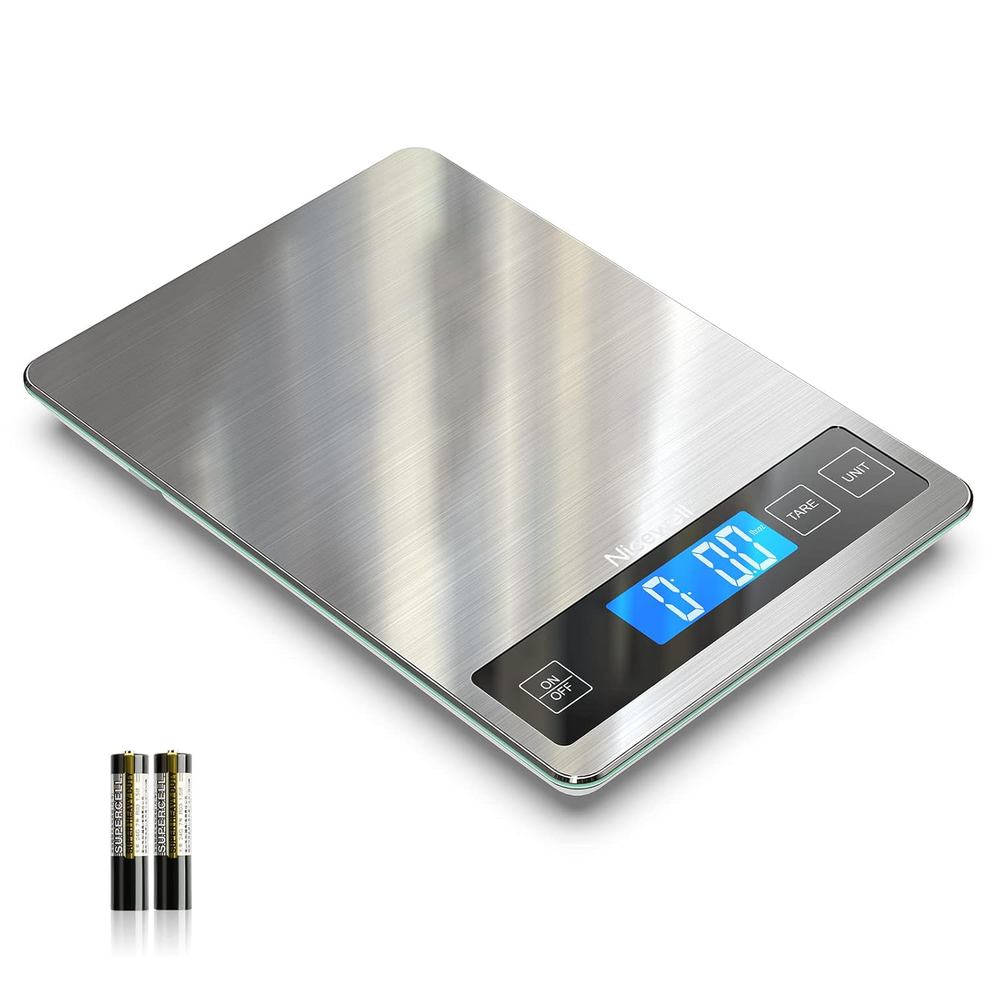
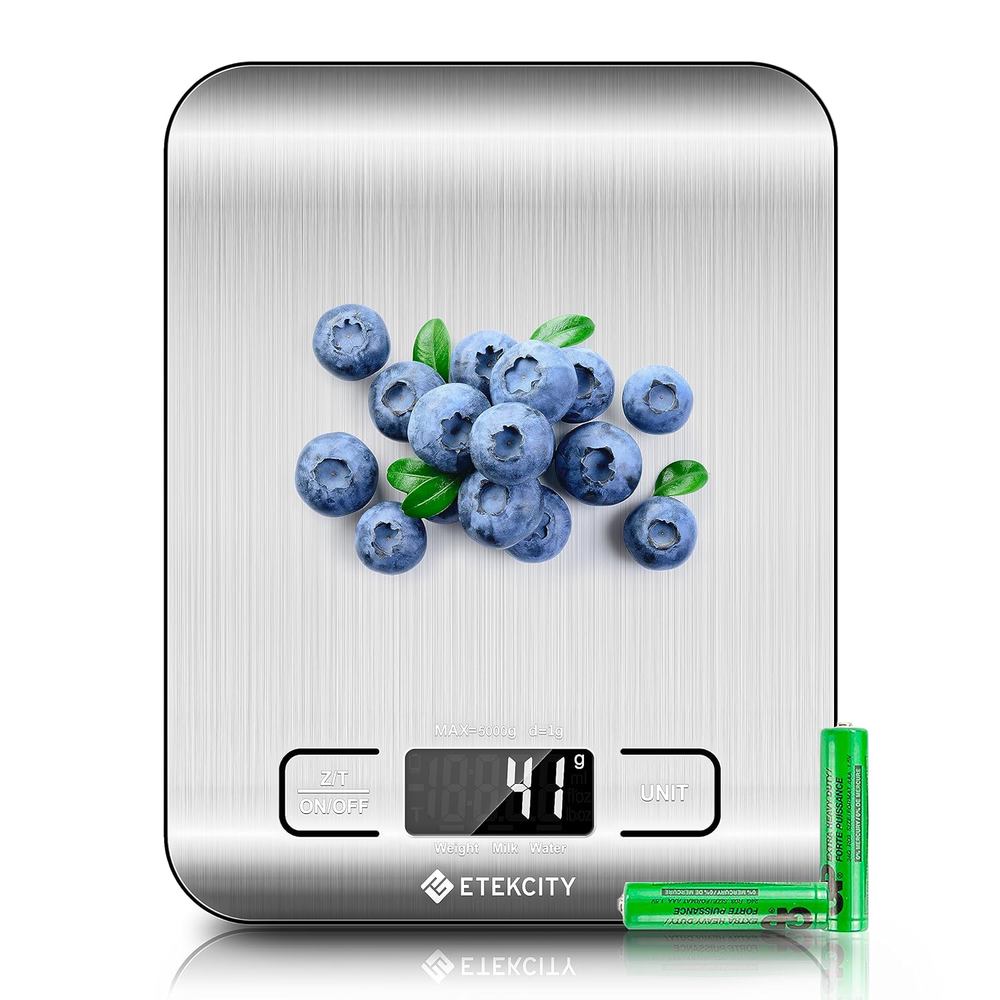
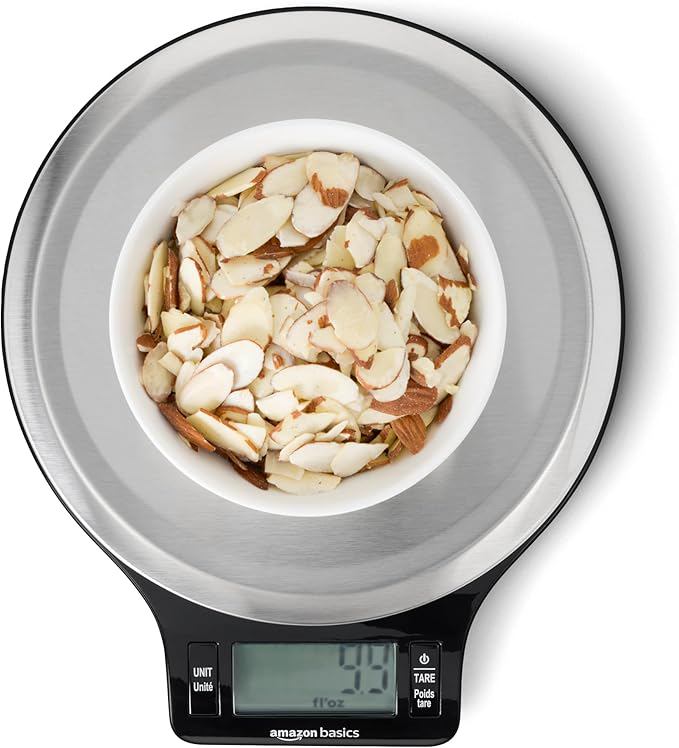
The fix: Use a kitchen scale for dry foods, measuring cups for liquids, and standard measuring spoons for spreads. Do it consistently for two weeks — by then, you’ll have a much better mental picture of what portions really look like. After that, spot-check yourself regularly to stay calibrated.
Mistake #4: You’re Not Logging Before You Eat
It’s a small shift in timing but a huge shift in psychology. When you log after you eat, you’re just recording history. When you log beforehand, you give yourself a chance to pause, rethink, and often choose a slightly smaller or more balanced option.
Pre-logging turns tracking from a passive diary into an active decision tool.
The fix: Log your next meal or snack before you take the first bite. If you’re planning a treat, pre-logging helps you see where it fits — and where it might push you over your goals. Most tracking apps let you copy yesterday’s meals, making pre-logging fast and easy.
Mistake #5: You’re Obsessing Over Perfection
It sounds contradictory, but trying to be too precise can sabotage you. You spend 10 minutes hunting for the exact calorie count of a restaurant dish. You get anxious about a 50-calorie discrepancy. You miss a day, feel like you “failed,” and then quit altogether.
The fix: Aim for “good enough,” not perfect. A 90 percent accurate log is far better than no log at all. If you miss a day, just pick up where you left off. Consistency over months matters far more than accuracy on any single entry. Your food journal is a tool for awareness — not a test you can fail.
Food journaling is a mirror, not a judge. When used without these common mistakes, it reveals patterns you can adjust with compassion and curiosity. Start by fixing one or two of these habits this week. Your weight loss journey — and your sanity — will thank you.