
Managing hunger while eating fewer calories is often the hardest part of any weight management plan. The good news is that you don't have to feel like you are starving to make progress. The concept of high-volume eating—choosing foods that are low in calorie density but high in water, fiber, and air—can make a real difference in how satisfied you feel at the end of a meal. Instead of focusing on what you are cutting out, the idea is to add foods that naturally fill your plate and your stomach.
These three categories of food are some of the most effective choices when you want to feel comfortably full while maintaining a calorie deficit. They are nutrient-dense, versatile, and backed by solid nutrition science.
Why Volume Matters for Satiety
Your stomach doesn't count calories. It responds to physical stretch and the weight of the food you eat. When you choose foods with a high water or fiber content, you can eat the same weight of food—or more—for a fraction of the calories of a dense, processed snack. Research published in the American Journal of Clinical Nutrition shows that people who consciously eat high-volume, low-energy-density foods consume fewer overall calories while reporting lower levels of hunger.
1. Non-Starchy Vegetables and Leafy Greens
Think beyond a sad side salad. Non-starchy vegetables like broccoli, cauliflower, zucchini, bell peppers, mushrooms, spinach, and kale are incredibly low in calories—usually between 15 and 35 calories per cup. The trick is to use them not as an afterthought but as the foundation of your meal.
You can add bulk to just about any dish without significantly increasing the calorie count. Try mixing riced cauliflower into your regular rice, adding a handful of spinach to smoothies, or starting lunch with a large bowl of roasted vegetables. The fiber in these vegetables also slows digestion, keeping your blood sugar steady longer.
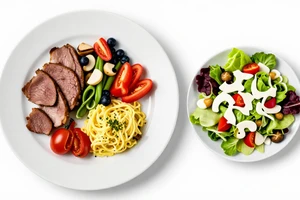
One practical strategy is to make half your plate vegetables at lunch and dinner. This simple visual rule naturally increases volume without needing to measure or weigh every bite.
2. Broth-Based Soups and Vegetable Stews
Soup is one of the most underrated tools for a calorie deficit. A bowl of broth-based soup—think chicken and vegetable, minestrone, or miso with tofu—can contain very few calories while filling your stomach with warm, savory liquid. One study from Appetite found that participants who ate a bowl of broth-based soup before a meal consumed significantly fewer total calories at that meal compared to those who skipped the soup.
If you make your own soup, you control the sodium and can add extra vegetables and lean protein. Stick to clear or tomato-based broths rather than cream-based versions, which are much higher in calories. A two-cup serving of homemade vegetable soup often contains under 100 calories but provides the same stomach fullness as a much denser snack.
3. High-Water Fruits and Berries
Fruit often gets a bad reputation in weight loss circles due to its natural sugar content, but whole fruits are a fantastic high-volume option. Watermelon, cantaloupe, strawberries, raspberries, and grapefruit are especially high in water content—some are over 90 percent water by weight.
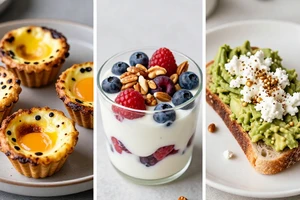
A full cup of sliced strawberries contains only about 50 calories, and the fiber helps moderate how quickly the natural sugar enters your bloodstream. Berries also provide antioxidants and polyphenols that support metabolic health.
The key is to eat the whole fruit, not drink it as juice. Chewing triggers satiety signals in the brain that juice doesn't. Pairing fruit with a small amount of protein, such as a tablespoon of plain Greek yogurt or a few almonds, can further stabilize your energy levels and keep you full until your next meal.
How to Apply This to Real Meals
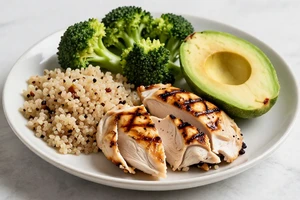
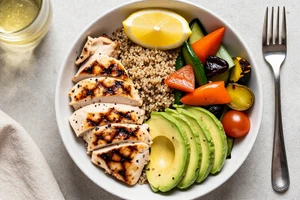
The idea is not to eat only these foods. Instead, treat them as a base to build satisfying meals that keep you within your calorie target. A simple lunch might start with a large bowl of mixed greens and chopped vegetables, then add 4 to 5 ounces of lean protein like grilled chicken or tofu, a moderate portion of complex carbohydrates like quinoa or sweet potato, and a tablespoon of a simple vinaigrette. The vegetables fill the space, the protein supports satiety, and the carbohydrates provide energy.
If you are someone who struggles with evening snacking, try having a large bowl of berries or a plate of roasted vegetables with a sprinkle of salt as the first course of your dinner. Often, simply filling your stomach with something nutritious before moving to the rest of the meal can prevent overeating later.
Practical Tips for High-Volume Eating
- Start meals with a soup or salad. This primes your stomach with volume before you move to denser foods.
- Keep frozen vegetables on hand. They are just as nutritious as fresh, cheaper, and easy to add to any dish.
- Drink water with your meals. Hydration adds to the feeling of fullness, but don't replace eating with drinking.
- Use larger plates for vegetables. A dinner plate filled mostly with greens and veggies signals abundance to your brain.
Important Cautions
While high-volume foods are useful, they are not a complete solution to weight management. A calorie deficit still requires that total calorie intake is lower than your energy expenditure. Some people find that very large volumes of raw vegetables can cause bloating or gastrointestinal discomfort; cooking vegetables often makes them easier to digest. Additionally, if you have kidney issues, be mindful of high-potassium vegetables like spinach or potatoes. Always listen to your body and adjust portions to what feels right for you.
Sustainable weight management is about building habits you can maintain, not about extreme restriction. Choosing high-volume foods is one of the kindest, most practical ways to feel satisfied while respecting your calorie targets.