
You finished your first real strength session, and you feel that satisfying mix of exhaustion and accomplishment. Now comes the part that often confuses beginners: when exactly should you eat to support all that hard work? The window feels small, and the advice online can be contradictory. Let's cut through the noise with five straightforward, expert-backed strategies for timing your post-workout meal.
The goal isn't perfection—it's consistency. Your body needs fuel to repair muscle tissue and replenish energy stores, but the rigid "30-minute anabolic window" you might have heard about is more flexible than you think. Here is what actually matters for a beginner.
1. The Real Window Isn't as Tight as You Think
Many beginners stress about eating immediately after the last rep. The classic advice about a 30-minute "anabolic window" does exist, but it is more forgiving for most people. Research suggests that muscle protein synthesis remains elevated for several hours post-exercise. For a beginner, the primary goal is simply to eat a balanced meal within two to three hours after training.
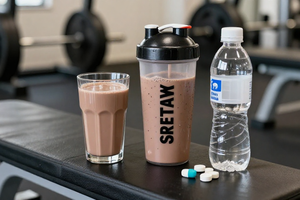
The exception? If you trained fasted first thing in the morning, your muscle glycogen stores are lower, and you might benefit from eating sooner—aim for within 60 to 90 minutes. But if you had a pre-workout snack or a meal a few hours before lifting, your body still has resources available. The priority is getting quality food in, not rushing to a shaker bottle.
2. Prioritize Protein and Carbs Together
The magic of a post-workout meal lies in the combination of protein and carbohydrates. Protein provides the amino acids needed to repair microscopic tears in muscle fibers, while carbohydrates replenish glycogen—the fuel your muscles just used. A beginner-friendly ratio is roughly 20 to 40 grams of protein paired with a serving of complex carbs.
Think of a grilled chicken breast with sweet potato and broccoli. Or a Greek yogurt parfait with berries and a sprinkle of granola. Even a simple peanut butter sandwich on whole-wheat bread with a glass of milk works. The timing is secondary to this nutrient pairing. If you eat a protein-only snack, you miss the opportunity to refuel your energy reserves for tomorrow's workout.
3. Listen to Your Appetite Signals
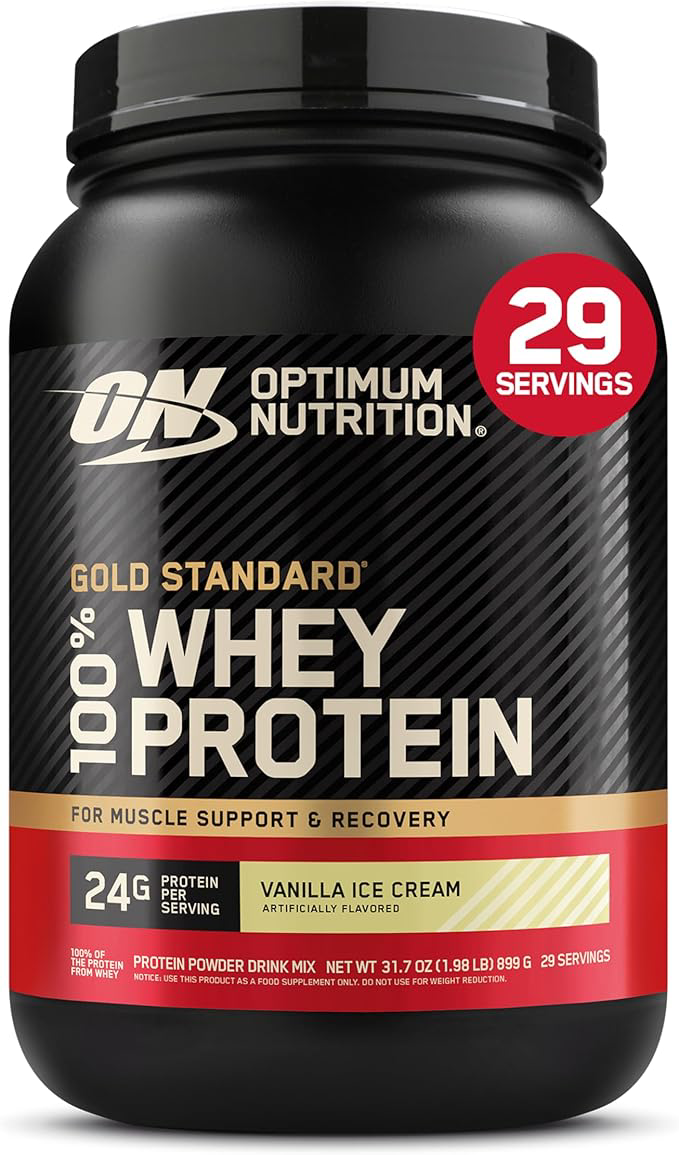
Immediately after a hard strength session, your appetite may be suppressed. Hormonal shifts can make food unappealing, and that is perfectly normal. Do not force down a full meal if you feel nauseous. Instead, start with something light and liquid if needed—a smoothie with protein powder, banana, and spinach is often easier to digest than a solid plate of food.
Your body will tell you when it is ready to eat. Ignoring hunger cues entirely is a mistake, but so is force-feeding. A gentle refuel within a reasonable window beats choking down food you dread.
If you find that you are genuinely hungry 15 minutes post-workout, eat. If your appetite doesn't return for an hour and a half, that is also fine. The key is to not wait longer than three hours total. Over time, your appetite will likely sync more closely with your training schedule.
4. Consider the Time of Day You Train
Your workout timing influences how your body handles the post-meal. If you train in the late afternoon or early evening, your post-workout meal can double as your dinner. In this case, you have more flexibility because you are already eating a full meal. You simply need to ensure that dinner includes adequate protein and carbohydrates—don't skip the rice or potato just because it is evening.
If you train in the morning, your post-workout breakfast sets the tone for the day. Because you have been fasting overnight, your body will re-synthesize glycogen more efficiently when you eat carbs shortly after exercising. A bowl of oatmeal with milk and sliced almonds, or scrambled eggs with a piece of toast, is a smart choice. Evening trainers, conversely, might benefit from a slightly smaller portion if they eat close to bedtime, to avoid disrupting sleep with full digestion.
5. Consistency Beats Perfect Timing Every Time
The number one mistake beginners make is overthinking the clock. You might skip a post-workout meal entirely because you missed the "optimal" window, thinking that effort is wasted. That is a myth. Your muscles continue to repair and rebuild for up to 24 to 48 hours after training. A meal eaten three hours after your workout still supports recovery—it just shifts the process slightly.
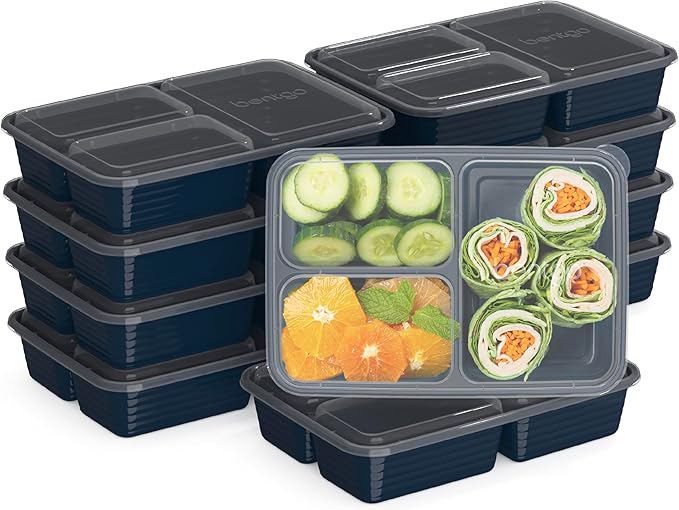
Build the habit of always having a post-workout meal in mind before you even walk into the gym. Pack a bag with portable options if you are going straight to work. A banana and a carton of milk, a protein bar with a piece of fruit, or leftover grilled meat and rice from last night all work. Aim for 80% consistency. When you miss that window, the best thing to do is just eat your next planned meal as usual.
The bottom line for a beginner: do not let the search for perfect timing prevent you from eating anything at all. Find a routine that fits your schedule, pair protein with carbs, and trust that your body is smart enough to use the fuel whenever you provide it.