
You just finished a hard set of squats or deadlifts. Your muscles are pumped, your shirt is soaked, and you feel that familiar post-lift hunger. The clock is ticking, and you’ve heard the anabolic window is narrow—maybe 30 minutes, maybe an hour. So you chug a shake or scarf down a chicken breast before you’ve even cooled down. Or maybe you wait until dinner, thinking it doesn’t really matter when you eat, as long as you hit your macros. Both approaches miss the mark, and both can subtly undermine your strength gains.
New lifters tend to swing between two extremes: frantic urgency and relaxed indifference. The truth about post-workout nutrition for strength training is more nuanced than either camp suggests. Let’s look at the two most common timing mistakes new lifters make, and how to fix them without overcomplicating your routine.
Mistake #1: Racing to eat within a “30-minute window”
The idea that you have exactly 30 minutes after lifting to consume protein or risk losing all your gains is one of the most persistent myths in fitness. This concept, often called the anabolic window, originated from early studies on fasted, untrained subjects—conditions that don’t reflect how most people train. For the average lifter who ate a meal two to three hours before training, muscle protein synthesis stays elevated for 24 to 48 hours after a workout. That means you have more time than you think.
The real problem with rushing? It can interfere with digestion and recovery. Downing a heavy shake or a large meal immediately after an intense set can leave you feeling bloated, sluggish, or even nauseous. Your body is still shunting blood flow to your working muscles; forcing a big bolus of food into your stomach too soon can compete with that process.
Easy fix: Aim to eat a balanced meal containing protein and carbohydrates within two hours after training. If you’re hungry right away, a small snack like a banana with a scoop of whey or a piece of fruit with Greek yogurt is plenty. Save the full sit-down meal for when your appetite truly returns.
When the window matters more
There is one scenario where timing becomes more critical: if you trained fasted first thing in the morning, your muscles are more primed to take in nutrients immediately. In that case, having a protein shake or meal within an hour is smart. But for most afternoon or evening lifters who had lunch, the urgency drops significantly.
Mistake #2: Waiting too long—or skipping post-workout fuel entirely
On the other end of the spectrum, some new lifters assume that as long as they eat enough total protein and calories by the end of the day, post-workout meal timing doesn’t matter at all. This can lead to a five- or six-hour gap after training, especially for those who work out in the late afternoon and then run errands, commute home, or get distracted.
While you won’t lose all your gains from a delayed meal, there is a cost. Muscle protein synthesis peaks around two to four hours after exercise and then gradually declines. If you wait too long, you miss the highest anabolic responsiveness of your muscles. Your body also needs quick carbohydrate replenishment after strength training to restore muscle glycogen and to drive recovery.
Chronic delays can accumulate. Over weeks and months, you might feel slightly more sore, recover more slowly between workouts, or plateau on your lifts earlier than necessary. It’s not dramatic—it’s a slow leak in the tire.
How to fix the long delay
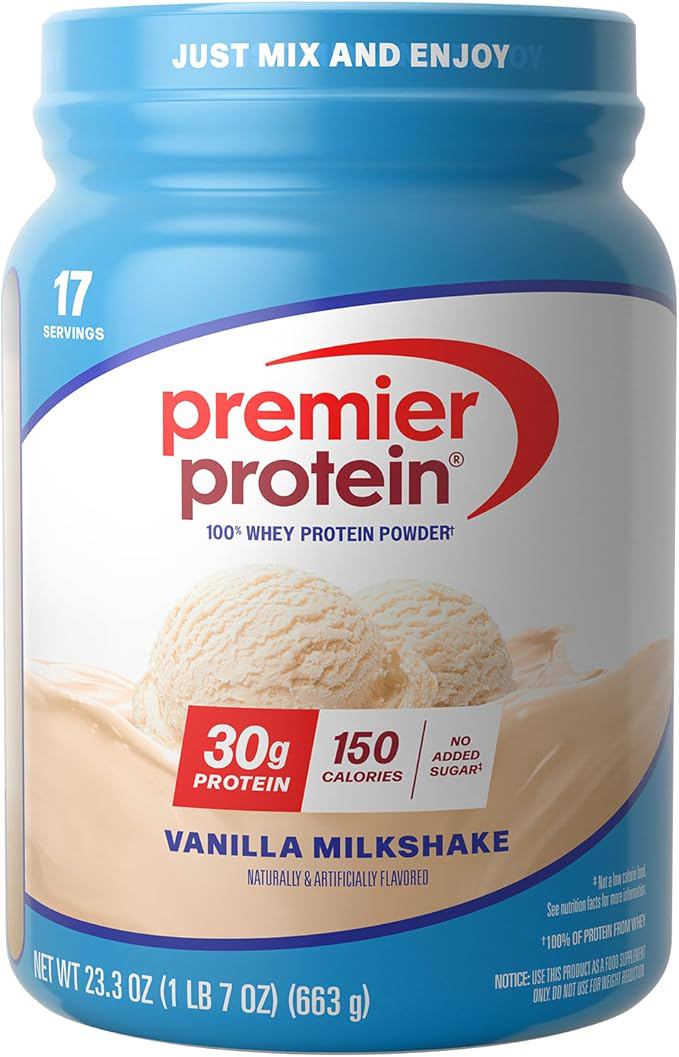
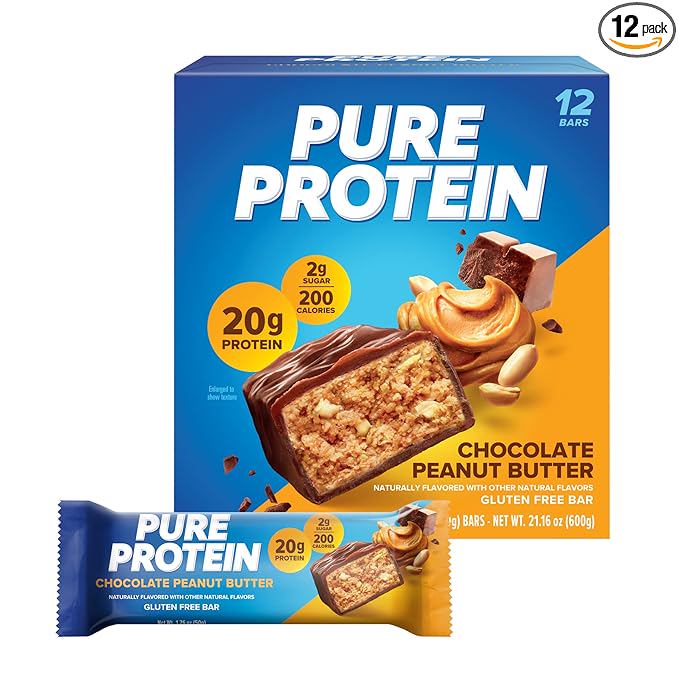
Prep a portable post-workout snack that can travel with you if you can’t sit down to a meal immediately. A protein shake made with milk or water, a carton of chocolate milk, a protein bar, or a pouch of ready-to-eat tuna with crackers are all easy options. The goal is to get 20 to 40 grams of protein and some carbohydrates into your system within about two hours of your last rep.
If you know you’ll have a long gap, have a small shake or snack right after training, then eat a full dinner later. This splits the feeding and keeps your muscles supplied during the recovery window without forcing you to eat a large meal when your stomach isn’t ready.
A simple framework that works for most lifters
Instead of watching the clock with anxiety, think of your post-workout meal as a specific, intentional event—not an emergency. Here is a practical approach:
- If you ate a mixed meal (protein, carbs, fat) 2–3 hours before training: you have a generous 2-hour window after training to eat a balanced meal. No rush.
- If you trained fasted (first thing in the morning): have a protein-and-carb meal or shake within 1 hour of finishing.
- If you’re not hungry immediately after training: have a small liquid snack (shake, milk) and then eat a full meal when appetite returns.
- If you know you’ll have a 4+ hour gap after training before your next meal: pack a portable snack or shake to have immediately after your workout, then eat your main meal later.
Notice that none of these rules are about panicking. The best timing is consistent, practical, and fits your day. A post-workout meal that actually gets eaten is infinitely better than an “optimal” meal that you skip because it’s inconvenient.
The big picture: total daily intake still wins
Even with careful timing, no amount of post-workout nutrition can compensate for chronically low protein or calories across the rest of the day. The foundation of strength training nutrition remains your total daily protein intake (spread across 3–5 meals), adequate carbohydrates to fuel performance, and enough calories to support muscle growth. Post-workout meal timing is a fine-tuning lever—important, but not the main driver.
If you’re a new lifter, take the pressure off yourself. Focus on eating a balanced meal with protein and carbs a couple of hours after you lift. Adjust the timing slightly if you train fasted or face a long gap. Over time, you’ll learn what feels right for your body without needing an app to count minutes.