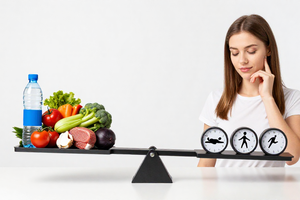
You track your meals, measure your portions, and feel like you're doing everything right. But the scale won't budge, or you're still feeling bloated and unsatisfied after meals. The culprit might not be on your plate — it could be in your glass.
Liquid calories are easy to overlook. They don't trigger the same fullness signals as solid food, so you can sip down hundreds of calories without your brain registering them as a meal. Here are five common drinks that can quietly sabotage your portion control efforts.
1. Sugary Coffee Drinks
A plain black coffee is virtually calorie-free. But once you add syrups, whipped cream, and sweetened milk alternatives, your morning cup can quickly rival a dessert. A medium-sized blended coffee drink from a popular chain can pack over 400 calories and 50 grams of sugar — before you've eaten breakfast.
These drinks are especially tricky because they don't feel like food. You're having coffee, not a meal, yet the sugar spike and crash can leave you craving more carbs an hour later.
What to try: Stick to a small size, ask for half the syrup, or use unsweetened plant-based milk.
2. Fruit Juices and Smoothies
Even 100% fruit juice is dense with natural sugar and lacks the fiber of whole fruit. A 12-ounce glass of orange juice has about 165 calories and 33 grams of sugar — most of it from fructose. Smoothies can be even more deceptive: a store-bought 16-ounce smoothie often contains two to three servings of fruit plus juice or sweetened yogurt, totaling 300 to 500 calories.
Because you drink them quickly, your body doesn't get the same satiety signals it would from chewing the same fruit. That can lead to overconsumption not only of the drink itself but of your next meal as well.
- Choose whole fruit over juice when possible
- If you make smoothies at home, include a source of protein and healthy fat (like Greek yogurt or nut butter) and keep the portion to 8–10 ounces
- Read labels on bottled smoothies — many contain added sugar
3. Sweetened Teas and Iced Teas
Bottled iced tea and the sweet tea served at many restaurants are often loaded with sugar, even if they taste mildly sweet. A 20-ounce bottle of sweetened tea can have 45–60 grams of sugar — that's over 10 teaspoons. Some trendy bubble teas or fruit teas contain even more, plus tapioca pearls or jelly that add extra carbohydrates.
Because tea feels light and healthy, it's easy to drink a large serving without thinking twice. The calories add up, and the sugar can fuel hunger later in the day.
Better option: Brew your own unsweetened iced tea and add a squeeze of lemon or a few berries for flavor.
4. Alcoholic Cocktails and Mixers
Alcohol itself has 7 calories per gram, and mixers like soda, tonic water, juice, and syrups pile on even more. A single margarita can clock in at 300–500 calories, and a Long Island iced tea can exceed 800. Beyond the calories, alcohol lowers inhibitions and increases appetite, making it harder to stick to your planned portions during and after drinking.
Smart swap: Try a spirit with soda water and a lime wedge, or a light beer. Limit yourself to one or two drinks and sip slowly.
5. Sports Drinks and Enhanced Waters
Unless you're exercising intensely for more than an hour, you likely don't need the electrolytes and carbohydrates in sports drinks. A 20-ounce bottle contains about 120–160 calories and 30–40 grams of sugar — similar to a soda. Enhanced waters with vitamins or electrolytes can also contain 30–50 calories per bottle from cane sugar or other sweeteners.
The marketing makes them seem beneficial, but for most people, plain water is all that's needed. The extra calories can add a few hundred to your daily total without providing any satiety.
Being aware of what's in your glass is a simple way to regain control over your daily calorie intake. Water, unsweetened tea, and black coffee are reliable zero-calorie choices. When you do opt for something with calories, treat it as a portion-controlled part of your day — just like you would with a snack.