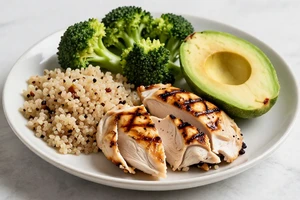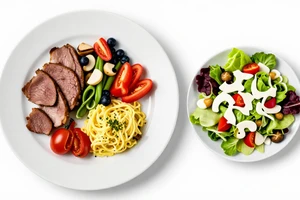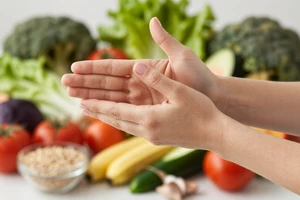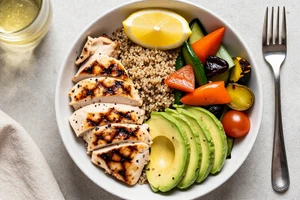
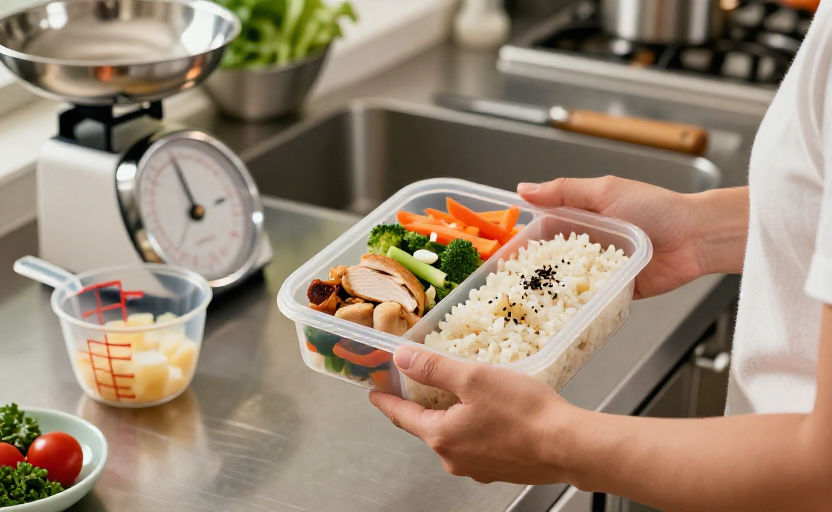
You carve out a Sunday afternoon, wash and chop every vegetable in sight, and fill your fridge with neat rows of containers. By Tuesday, you are either starving after lunch or grazing the office snack drawer before 3 PM. If meal prep is supposed to make healthy eating effortless, why does your waistband feel tighter by midweek?
For busy adults, the gap between a good intention and a good portion often comes down to a few hidden habits. The problem is rarely a lack of willpower; more often, it's a handful of common meal prep mistakes that quietly undo your portion control efforts. Here is how to spot — and fix — the five that matter most.
1. Cooking Without a Measuring Baseline
Eyeballing ingredients when you cook is the fastest way to turn a sensible dinner into a double portion. Without a rough visual or weight reference, a serving of brown rice can easily become two cups instead of one, and a drizzle of olive oil can land closer to three tablespoons than one.
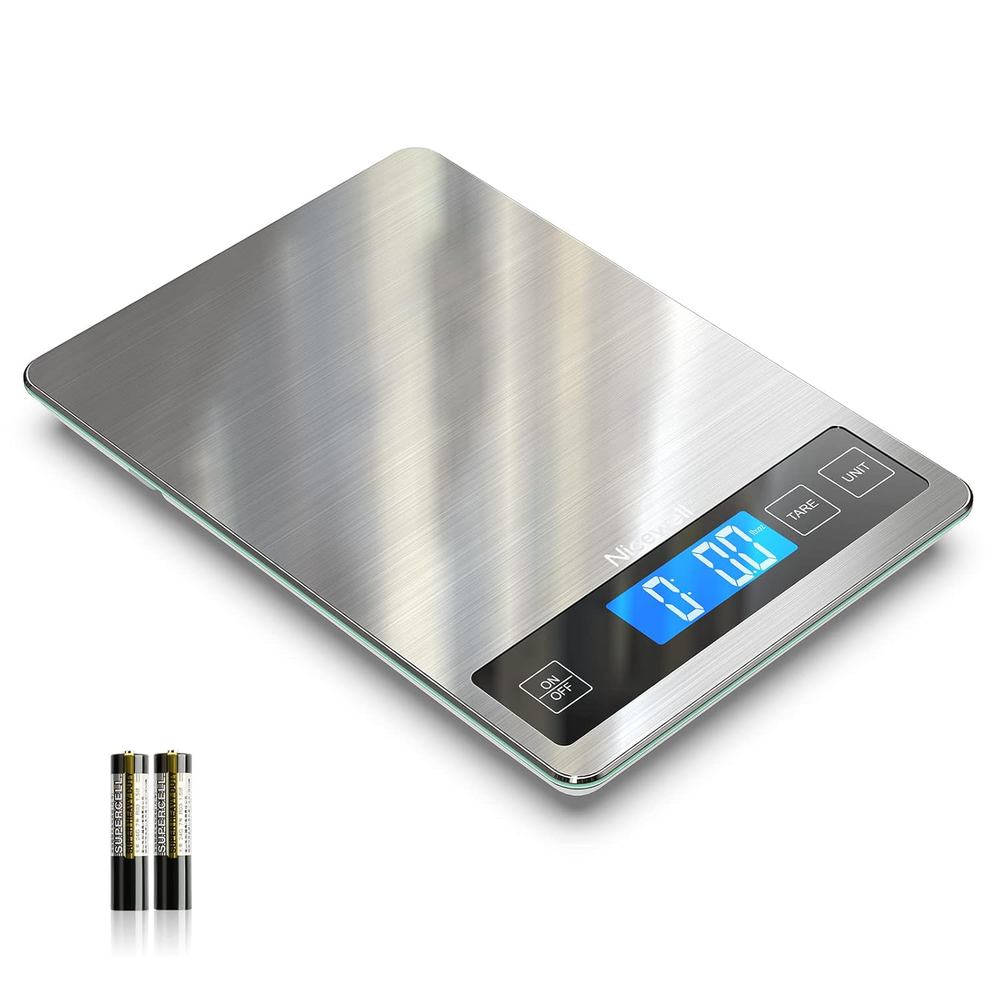
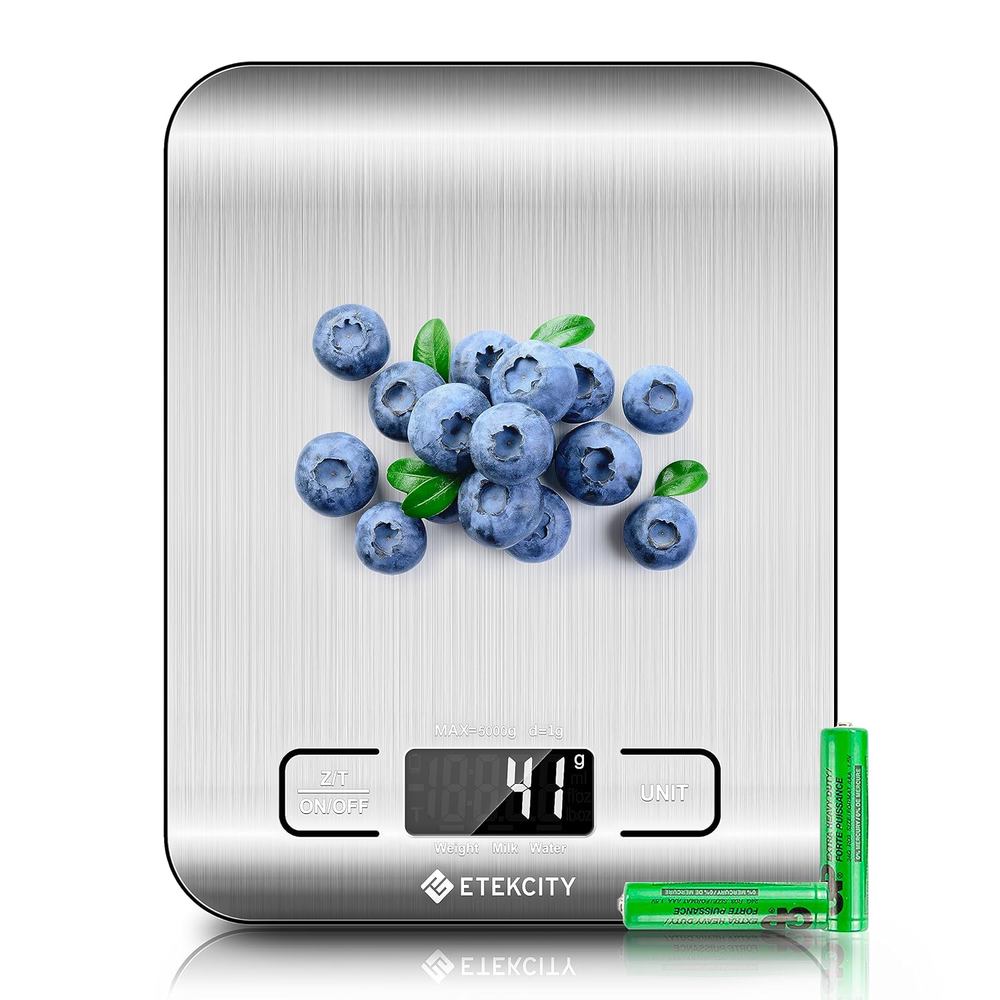
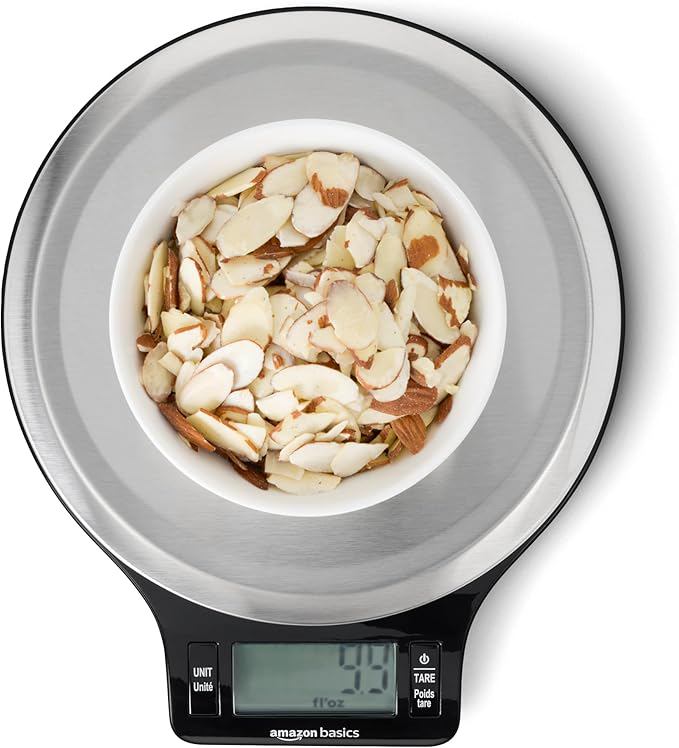
The fix: Use a food scale or measuring cups for your starches, proteins, and fats at least once per ingredient batch. After two or three preps, you will learn what a proper portion of quinoa or chicken looks like in your favorite containers. That muscle memory makes future prep faster, not slower.
2. Packing Everything Into One Container
A single compartment box seems efficient, but it encourages a ratio problem: too many carbs, not enough vegetables, and a protein portion that gets pushed aside. When everything is touching, it is also tempting to eat everything at once — even if the rice-to-veg ratio is completely off.
The fix: Use divided containers or pack components separately. Aim for a visual balance: roughly half the container should be non-starchy vegetables, a quarter protein, and a quarter complex carbohydrates. If you are adding a dressing or sauce, pack it in a small separate cup so you control how much goes on — not the sauce bottle.
3. Forgetting That Snacks Are Still Meals
Many meal preppers focus exclusively on lunch and dinner, then leave snacks to spontaneous decisions. A handful of nuts here, a granola bar there — these add up faster than a full meal ever does. When you do not plan the small bites, portion sizes drift upward without any conscious check.
The fix: Pre-portion your snacks at the same time you pack your main meals. Single-serving bags of almonds, cut vegetables with hummus, or a piece of fruit become part of your daily structure. Treat snacks as a mini-meal with a fixed calorie and nutrient goal, not an afterthought.
4. Using Dinner Plates for Lunch Boxes
When you eat directly from a large dinner plate or a wide container, the same amount of food looks smaller than it actually is. This is called the Delboeuf illusion, and it is a powerful cue to serve and eat more. Meal prep containers that are too large trick your brain into feeling underfed, even when the portion is correct.
The fix: Choose narrower or smaller containers for your main meals. A 2-cup capacity box is often enough for a balanced lunch. If you need more volume, add an extra serving of vegetables — not more grains or protein. The visual cue of a full but compact container helps you feel satisfied with less.
5. Ignoring the Calorie Density of Sauces and Toppings
You may weigh your chicken and measure your rice, but then you pour a generous amount of teriyaki sauce, tahini dressing, or cheese over the top. These additions are calorie-dense and easy to underestimate. A tablespoon of most dressings or sauces ranges from 50 to 120 calories, and a two-tablespoon pour is common without a second thought.
The fix: Treat sauces, dressings, cheese, nuts, seeds, and dried fruit as ingredients that require a portion limit. Pre-measure them into small containers or use a measuring spoon before adding them to your meal. If a recipe calls for a sauce, calculate its contribution to the total portion and adjust the serving size accordingly.
Putting It All Together
Meal prep is supposed to simplify your week, not undermine your goals. The difference between a successful prep and a sabotaged one often comes down to four small shifts: measure your bases, separate your components, pre-portion your snacks, choose the right container size, and track your sauces. Start with one or two fixes this week; you do not need to overhaul everything at once.
When you align your prep habits with consistent portions, you stop guessing and start eating with intention — even on the busiest Tuesday.