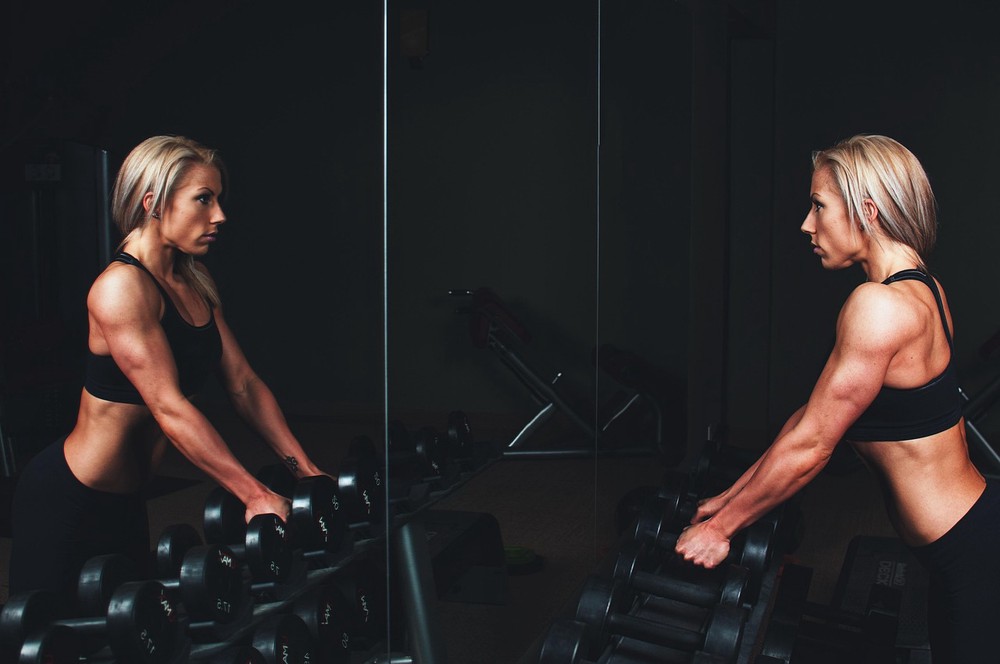
After a solid strength session, your muscles are primed for repair—and what you eat in that window can make a real difference in how you feel tomorrow. A well-crafted smoothie is one of the simplest, most soothing ways to deliver protein, carbs, and anti-inflammatory ingredients right when your body needs them. Whether you’re brand new to lifting or just looking for quicker recovery options, these five recipes are designed to taste great and support muscle rebuilding without any complicated steps.
What makes a smoothie “recovery-friendly”?
The goal is to pair protein (for muscle repair) with fast-digesting carbohydrates (to replenish glycogen stores) and a touch of healthy fat or antioxidants (to ease inflammation). Think of it as a liquid meal that hydrates and nourishes at the same time. The recipes below keep ingredient lists short, use common grocery items, and can be blended in under five minutes.
1. Classic Berry & Banana Protein Shake
This is the smoothie that started it for many lifters—and for good reason. It’s balanced, creamy, and forgiving if you need to swap berries or milk types.
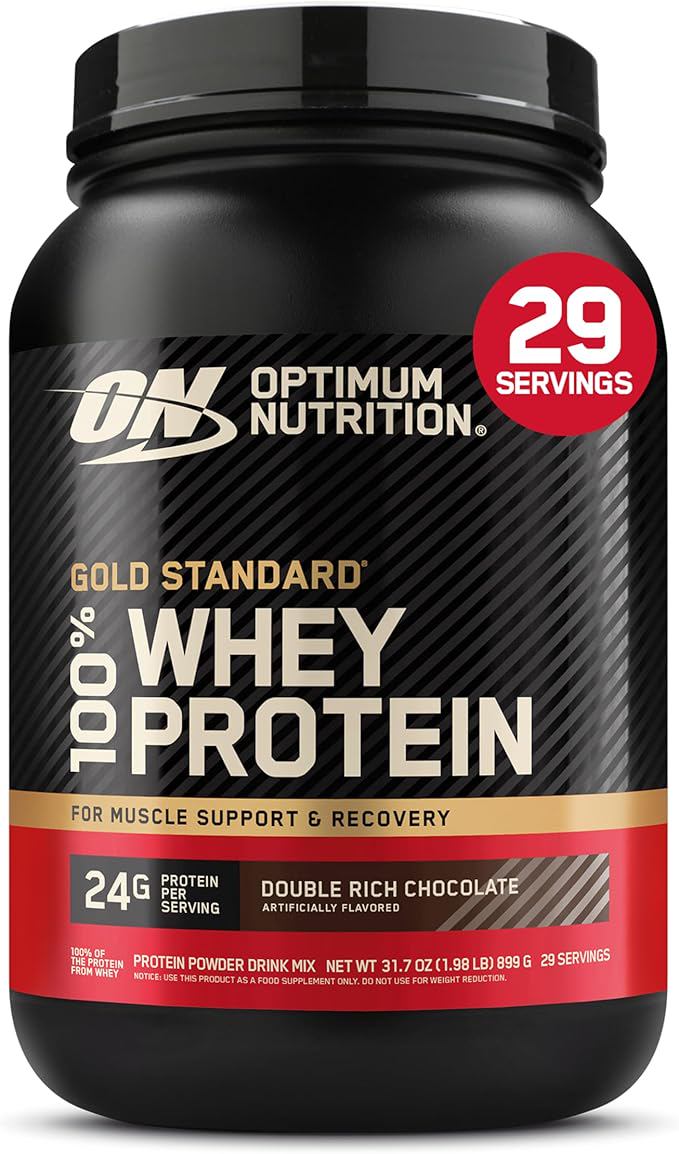
- Ingredients: 1 cup unsweetened almond milk (or milk of choice), 1 scoop vanilla or unflavored protein powder, 1 cup frozen mixed berries, ½ banana, 1 tablespoon almond butter (optional).
- Why it works: Berries deliver antioxidants that help combat exercise-induced oxidative stress, while banana provides quick-digesting carbs and potassium to prevent cramping. Protein powder does the heavy lifting for muscle repair.
- Tip: If you skip the protein powder, add ½ cup Greek yogurt for a similar protein boost with a tangy kick.
2. Mango & Turmeric Recovery Smoothie
Turmeric’s active compound, curcumin, is studied for its anti-inflammatory effects—making this a smart choice after particularly hard leg days or high-volume sets.
- Ingredients: 1 cup coconut water, 1 cup frozen mango chunks, ½ cup plain Greek yogurt, ½ teaspoon turmeric powder (or 1 teaspoon fresh grated turmeric), a pinch of black pepper (enhances curcumin absorption), 1 tablespoon chia seeds (optional).
- Why it works: Coconut water rehydrates with electrolytes; mango supplies vitamin C and natural sweetness; yogurt adds protein and probiotics. The turmeric–pepper combo targets inflammation at the cellular level.
- Tip: For extra protein, add 1 scoop unflavored collagen or a neutral protein powder.
3. Chocolate Peanut Butter Oat Shake
If you crave something that feels like a dessert but fuels like a recovery meal, this one’s for you.
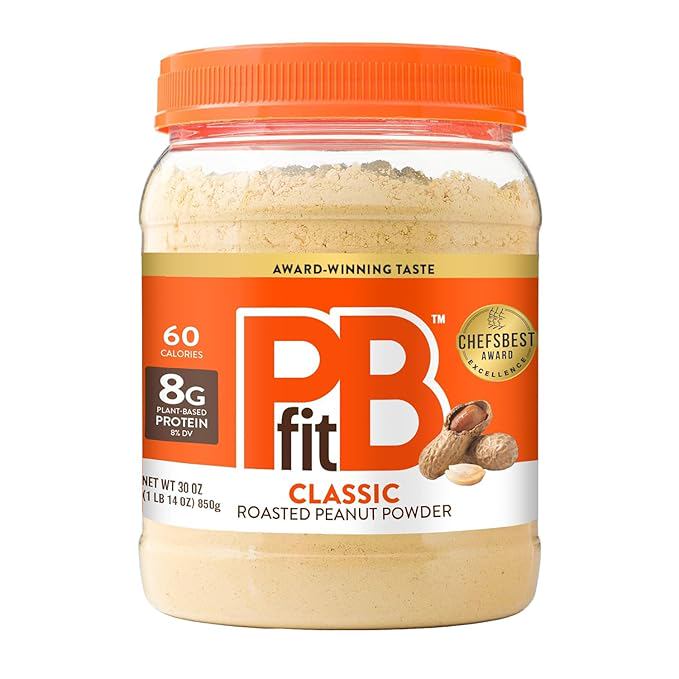
- Ingredients: 1 cup oat milk (or regular milk), 1 scoop chocolate protein powder, 2 tablespoons peanut butter (natural, no added sugar), ¼ cup rolled oats, ½ frozen banana.
- Why it works: The oats provide slow-digesting carbs that sustain energy levels, while peanut butter delivers protein and healthy fats. Chocolate powder satisfies sweet cravings without excess sugar—and cocoa flavanols may help circulation.
- Tip: Blend the oats first into a powder for a smoother texture, or use quick oats as-is.
4. Green Goddess Recovery Smoothie
Don’t let the green color intimidate you—this smoothie tastes like a mild, creamy vanilla shake with a veggie boost.
- Ingredients: 1 cup unsweetened almond milk, 1 scoop vanilla protein powder, 1 large handful fresh spinach (or ½ cup frozen), ½ avocado, ¼ cup frozen pineapple, juice of ½ lime.
- Why it works: Spinach is rich in iron and magnesium—two minerals often depleted during intense exercise. Avocado provides potassium and monounsaturated fat, which supports hormone function and joint health. Pineapple contains bromelain, an enzyme with mild anti-inflammatory properties.
- Tip: If you’re sensitive to texture, use frozen spinach and blitz extra-long; the avocado makes it luxuriously thick.
5. Tart Cherry & Chocolate Cherry Bomb
Tart cherry juice is one of the most well-researched natural aids for muscle soreness and sleep quality—an underrated combo for recovery.
- Ingredients: ½ cup unsweetened tart cherry juice, ½ cup water, 1 scoop chocolate protein powder, ½ cup frozen dark sweet cherries, 1 tablespoon cocoa powder (unsweetened), 1 tablespoon hemp seeds.
- Why it works: Tart cherry juice is packed with anthocyanins that reduce muscle damage markers. Cocoa powder adds magnesium and antioxidants; hemp seeds provide omega-3s and complete protein.
- Tip: Replace tart cherry juice with 1 tbsp concentrated cherry extract plus water if you want less sugar; adjust sweetness with a few drops of stevia if needed.
Practical tips for building your own recovery smoothie
Once you get comfortable with these five, you can start creating your own combos. Stick to this rough formula:
- Liquid base (1 cup): milk, almond milk, coconut water, or plain water.
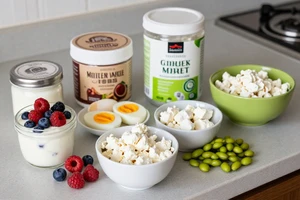
- Protein (20–30 g equivalent): 1 scoop protein powder, ½ cup Greek yogurt, ½ cup cottage cheese, or 2 tablespoons hemp seeds.
- Carbohydrates (½–1 cup): frozen fruit, banana, oats, or cooked sweet potato.
- Healthy fat (1 tablespoon): nut butter, avocado, flaxseed, or chia seeds.
- Optional boosters: turmeric, ginger, cinnamon, spirulina, or a pinch of sea salt.
One more thing: timing matters. Try to drink your smoothie within 30 to 60 minutes after training, when your muscles are most receptive to nutrients. And always listen to your body—if a certain ingredient doesn’t sit well, swap it out. Recovery is personal, but these smoothies give you a science-backed starting point that tastes like a treat.